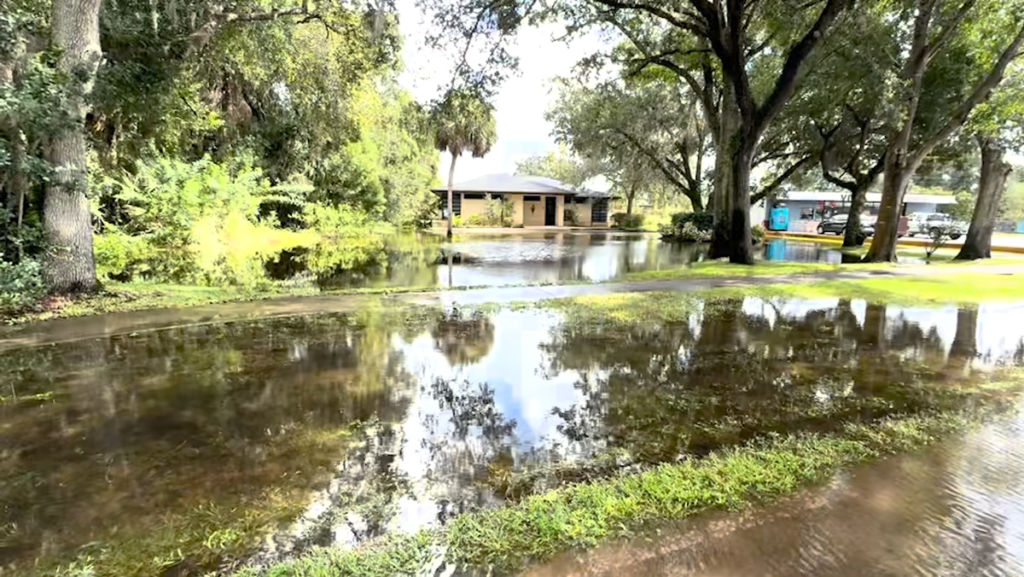
How Flood Restoration Helps Homes in Titusville During Rainy Season
Titusville, Florida, experiences heavy rainfall during the rainy season, and homes in the area are frequently at risk of flooding. Even minor water intrusion can damage flooring, walls, and personal belongings, and if left untreated, it can lead to mold growth, structural issues, and compromised indoor air quality. Effective flood restoration is crucial for protecting homes, preserving property value, and ensuring the health and safety of residents.
This guide explains why flood restoration is important, the step-by-step process, and the benefits homeowners in Titusville can gain during the rainy season.
Why Flood Restoration Is Critical in Titusville Homes
- Prevents Mold and Mildew
- Floodwater saturates floors, walls, and insulation, creating an environment where mold can develop in as little as 24–48 hours.
- Protects Structural Integrity
- Water can warp hardwood floors, weaken subflooring, and damage walls, potentially leading to long-term structural problems.
- Maintains Indoor Air Quality
- Stagnant water and damp conditions promote bacterial growth and mold spores, which affect air quality.
- Salvages Belongings
- Timely restoration can save furniture, electronics, and personal items from irreparable damage.
- Reduces Health Risks
- Floodwater often carries bacteria, contaminants, and allergens that pose health hazards to residents.
Common Causes of Flooding During Rainy Season
- Heavy Rainstorms
- Sudden or prolonged rainfall overwhelms drainage systems and causes water intrusion.
- Poor Drainage
- Clogged gutters or grading issues can direct water toward homes.
- Basement or Crawlspace Flooding
- Improper sealing or old foundations may allow water to seep in.
- Stormwater Backups
- Overflow from municipal storm drains can affect properties in low-lying areas.
- Roof Leaks
- Damaged or aging roofs let rainwater penetrate ceilings and walls.
Early Signs Homeowners Should Watch For
- Standing Water or Damp Spots
- Visible water in basements, crawlspaces, or first-floor areas.
- Musty Odors
- A persistent, damp smell often indicates hidden moisture.
- Water Stains or Discoloration
- Yellow, brown, or dark patches on ceilings, walls, or flooring.
- Warped Flooring
- Hardwood or laminate flooring may buckle or swell after water exposure.
- Increased Allergy or Respiratory Symptoms
- Mold spores in the air can trigger sneezing, coughing, or asthma.
Step-by-Step Flood Restoration Process
Step 1: Safety Precautions
- Turn off electricity in affected areas to prevent hazards.
- Wear protective gear, including gloves, boots, and masks, when handling contaminated water or debris.
Step 2: Water Extraction
- Remove standing water using pumps, wet/dry vacuums, and professional water extraction equipment.
- Start with heavily flooded areas to minimize damage.
Step 3: Furniture and Belonging Removal
- Move furniture, rugs, and personal items to a dry area.
- Evaluate what can be cleaned, restored, or replaced.
Step 4: Drying and Dehumidification
- Use fans, air movers, and dehumidifiers to dry floors, walls, and subfloors.
- Proper drying prevents mold and mildew growth.
Step 5: Cleaning and Sanitizing
- Disinfect floors, walls, and other affected surfaces to remove bacteria and contaminants.
- Apply antimicrobial solutions to prevent future mold growth.
Step 6: Inspection and Repair
- Check for hidden water behind walls, under flooring, or in insulation.
- Repair any structural damage, replace damaged materials, and restore flooring and drywall.
Step 7: Preventive Measures
- Seal cracks in foundations and walls.
- Improve drainage around the home to prevent future water intrusion.
- Install sump pumps or water alarms where necessary.
Benefits of Flood Restoration in Titusville Homes
- Health Protection
- Removes bacteria, mold, and contaminants that affect indoor air quality.
- Property Preservation
- Reduces long-term damage to structural components and belongings.
- Cost Savings
- Early restoration prevents more extensive and expensive repairs.
- Improved Safety
- Eliminates slip hazards, mold, and other risks associated with standing water.
- Peace of Mind
- Ensures a safe and habitable living environment during the rainy season.
Preventive Tips for Homeowners
- Regular Roof Maintenance
- Inspect and repair damaged shingles or flashing.
- Maintain Gutters and Downspouts
- Ensure water is directed away from the foundation.
- Install Sump Pumps
- Prevent basement or crawlspace flooding.
- Seal Entry Points
- Use weatherstripping, caulking, and foundation sealing to prevent leaks.
- Monitor Indoor Humidity
- Use dehumidifiers to maintain humidity below 60%.
- Schedule Routine Inspections
- Regularly check for signs of water intrusion or mold growth, especially after heavy storms.
Conclusion
During the rainy season in Titusville, flooding is a common threat that can compromise homes in multiple ways. Professional flood restoration provides a systematic approach to remove water, prevent mold, and repair structural damage, preserving both property value and indoor air quality.
By recognizing early warning signs, acting promptly with restoration measures, and implementing preventive strategies, homeowners can protect their health, belongings, and investment. Flood restoration is not just about fixing visible damage—it’s about ensuring a safe, dry, and comfortable home environment even during Titusville’s wettest months.