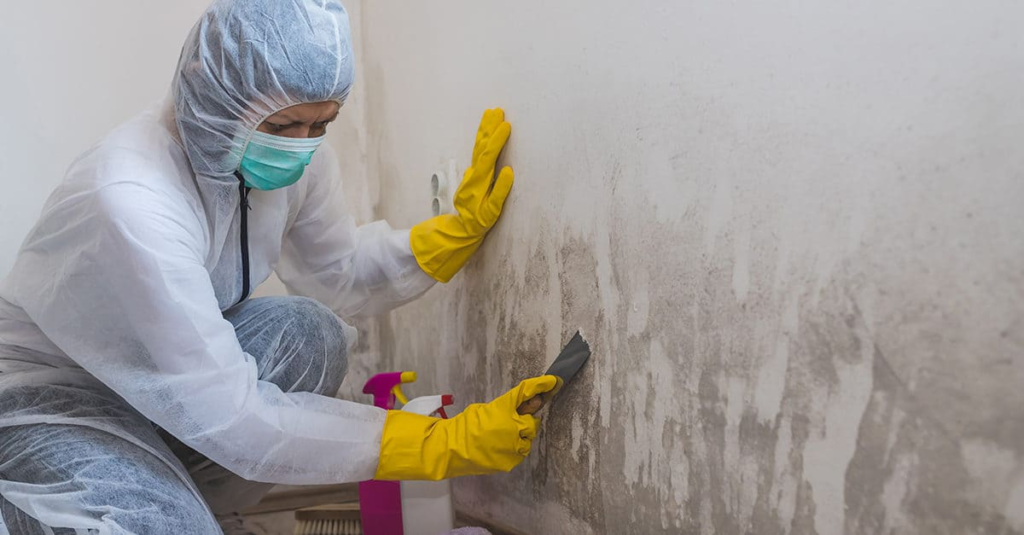
Palm Bay Mold Testing After Plumbing Leaks: Early Signs You Should Not Ignore
Plumbing leaks are a common source of water damage in homes across Palm Bay, and even minor leaks can lead to serious problems if left unaddressed. One of the most significant consequences of water intrusion is mold growth. Mold can compromise indoor air quality, damage structural components, and pose health risks to residents.
Professional mold testing helps homeowners detect contamination early, assess severity, and plan effective remediation. This guide focuses on early signs of mold after plumbing leaks, why timely testing matters, and preventive measures homeowners should take.
Why Plumbing Leaks Lead to Mold Growth
Water from leaks saturates walls, flooring, insulation, and structural materials. Over time, these damp conditions become ideal for mold growth. Key factors include:
- Hidden Moisture
- Leaks behind walls, under flooring, or within ceilings often go unnoticed until mold appears.
- High Humidity
- Palm Bay’s humid climate amplifies moisture retention and accelerates mold colonization.
- Aging Plumbing
- Old or corroded pipes may leak slowly, creating ongoing damp spots that encourage mold development.
- Delayed Detection
- Mold can begin growing within 24–48 hours of water exposure if conditions are favorable.
- Poor Ventilation
- Enclosed spaces like attics, basements, and crawlspaces trap moisture and restrict airflow, making mold growth more likely.
Early Signs of Mold After Plumbing Leaks
Recognizing early indicators of mold is crucial for timely intervention:
- Musty Odors
- Persistent earthy or damp smells near bathrooms, kitchens, or water-affected areas.
- Visible Discoloration
- Black, green, or white mold patches on walls, ceilings, or flooring.
- Water Stains
- Yellow or brown marks on walls, ceilings, or baseboards, often following a plumbing leak.
- Peeling Paint or Wallpaper
- Moisture trapped behind surfaces can cause bubbling or peeling.
- Warped or Soft Flooring
- Carpets, hardwood, or laminate may become warped or spongy due to water saturation.
- Health Symptoms
- Sneezing, coughing, itchy eyes, or asthma flare-ups may indicate mold spores in the air.
Professional Mold Testing Process
Mold testing confirms the presence of contamination and identifies its type and extent:
Step 1: Visual Inspection
- Inspect walls, ceilings, flooring, and areas near plumbing systems for visible mold and moisture damage.
Step 2: Moisture Assessment
- Moisture meters and thermal imaging cameras detect hidden damp areas within walls and floors.
Step 3: Air Sampling
- Air samples help determine the concentration of mold spores in different rooms.
- Comparing indoor and outdoor levels helps identify abnormal contamination.
Step 4: Surface Sampling
- Swabs, tape lifts, or bulk samples are collected from suspect surfaces for laboratory analysis.
Step 5: Lab Analysis
- Identify mold species and spore counts.
- Dangerous species like Stachybotrys chartarum (black mold) may require specialized remediation.
Step 6: Reporting
- Homeowners receive a detailed report outlining affected areas, contamination levels, and recommendations for remediation.
Importance of Early Mold Testing
- Health Protection
- Reduces exposure to allergens and respiratory irritants.
- Property Preservation
- Prevents structural damage to walls, floors, and insulation.
- Cost Savings
- Early intervention minimizes expensive repairs and full-scale remediation.
- Peace of Mind
- Confirms the home is safe for residents and identifies areas needing attention.
Preventive Measures After a Plumbing Leak
- Prompt Water Cleanup
- Extract water immediately using wet/dry vacuums, pumps, and dehumidifiers.
- Dry Affected Areas
- Use air movers and fans to reduce moisture in walls, flooring, and subfloors.
- Inspect Plumbing Systems
- Repair or replace leaky pipes, fixtures, or appliances promptly.
- Control Humidity
- Maintain indoor humidity below 60% to prevent mold growth.
- Improve Ventilation
- Ensure airflow in bathrooms, kitchens, basements, and crawlspaces.
- Regular Mold Inspections
- Schedule professional testing periodically, especially after leaks or flooding events.
- Use Mold-Resistant Materials
- Consider mold-resistant drywall, insulation, and paints in vulnerable areas.
Costs of Mold Testing in Palm Bay
- Visual Inspection: $150–$300 per property
- Air and Surface Sampling: $200–$600 per room
- Comprehensive Testing with Lab Analysis: $500–$1,500+
While costs vary, early testing is cost-effective compared to extensive remediation and structural repairs.
Conclusion
Plumbing leaks in Palm Bay can lead to hidden water damage and mold growth, creating serious health and property risks. Early mold testing helps homeowners detect contamination, understand the extent of the problem, and plan remediation effectively.
Recognizing early warning signs, acting quickly to dry affected areas, and employing professional testing services ensures that mold is managed proactively. For homeowners, taking these steps protects both resident health and property value, making mold testing an essential part of responsible home maintenance in coastal Florida.