Mold Testing in Satellite Beach from Poor Ventilation: What Homeowners Should Know
Homes in Satellite Beach face a unique set of challenges when it comes to indoor air quality and moisture control. Coastal humidity, heavy rainfall, and improper airflow combine to create conditions where mold can thrive, particularly in homes with poor ventilation. Mold growth is not only a structural concern but also a serious health hazard, producing allergens and spores that can affect respiratory health.
Professional mold testing services are essential for homeowners to detect hidden mold, identify problem areas, and take corrective action. This guide provides a comprehensive overview of why mold develops from poor ventilation, warning signs, the testing process, prevention strategies, and the benefits of early intervention.
Why Poor Ventilation Leads to Mold Growth
Ventilation is the movement of air in and out of a home. Poor ventilation traps moisture, leading to condensation on walls, ceilings, and floors. When this moisture persists, mold can establish colonies. Key factors include:
- High Indoor Humidity
- Humidity levels above 60% encourage mold growth. Coastal homes in Satellite Beach naturally face higher humidity.
- Insufficient Airflow
- Closed-off rooms, blocked vents, and poorly designed HVAC systems allow stagnant, moist air to accumulate.
- Condensation Buildup
- Lack of airflow around windows, attics, and ductwork leads to moisture accumulation on surfaces.
- Moisture Sources
- Bathrooms, kitchens, and laundry areas generate water vapor. Without proper ventilation, this moisture lingers.
- Seasonal Climate
- Rainy seasons and high heat in Florida increase indoor condensation, exacerbating mold risks.
Common Signs of Mold Caused by Poor Ventilation
Homeowners should be alert to the following indicators:
- Musty Odors
- Persistent, earthy smells in closed-off rooms or crawlspaces.
- Visible Mold
- Black, green, or white patches on walls, ceilings, windowsills, or around vents.
- Water Stains or Discoloration
- Yellow, brown, or black stains on drywall or ceilings.
- Peeling Paint or Wallpaper
- Moisture behind surfaces causes peeling or bubbling.
- Respiratory or Allergy Symptoms
- Sneezing, coughing, or asthma flare-ups when indoors.
- Warped or Soft Surfaces
- Flooring, baseboards, and wooden furniture may show swelling or softness.
Professional Mold Testing Process
Mold testing helps quantify contamination, identify species, and locate hidden growth. Professional testing typically follows these steps:
Step 1: Visual Inspection
- Examine ceilings, walls, attics, basements, and ductwork for visible signs of mold or moisture.
Step 2: Moisture Assessment
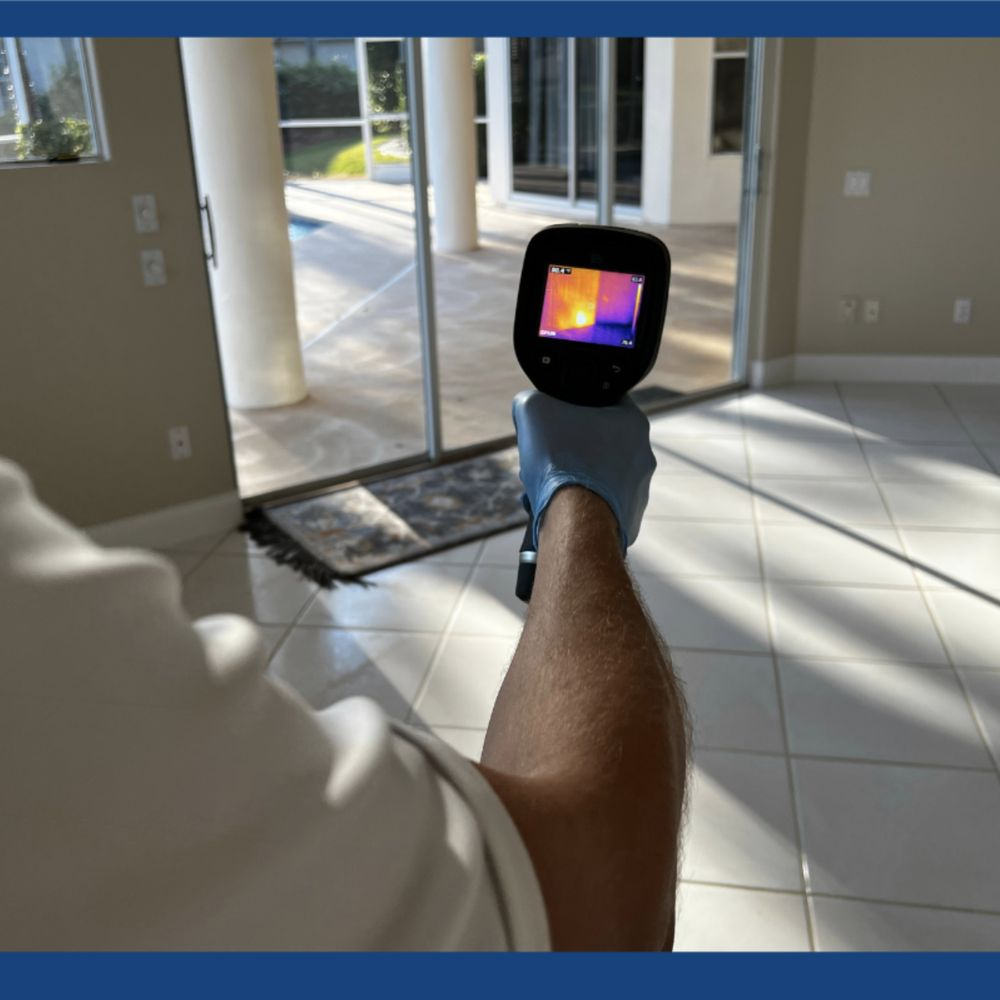
- Use moisture meters and thermal imaging cameras to detect hidden water accumulation.
Step 3: Air Sampling
- Collect air samples from various rooms to measure spore concentrations.
- Compare indoor readings to outdoor air to determine abnormal mold presence.
Step 4: Surface Sampling
- Swabs, tape lifts, or bulk samples are collected from visible mold or suspect surfaces.
Step 5: Laboratory Analysis
- Samples are analyzed to identify species and spore counts.
- Dangerous species like Stachybotrys chartarum (black mold) may require aggressive remediation.
Step 6: Reporting and Recommendations
- Homeowners receive a detailed report identifying mold species, contamination levels, and recommended remediation steps.
- Suggestions often include cleaning, structural repairs, improved ventilation, and HVAC inspections.
Health Risks of Mold from Poor Ventilation
- Respiratory Problems
- Mold spores can trigger asthma, allergies, and other respiratory issues.
- Immune System Effects
- Individuals with weakened immune systems may be more susceptible to infections.
- Long-Term Exposure
- Continuous exposure can lead to chronic health issues including sinus infections, fatigue, and headaches.
Preventive Strategies for Homeowners
- Improve Ventilation
- Install exhaust fans in bathrooms and kitchens.
- Ensure proper airflow in attics, basements, and crawlspaces.
- Control Indoor Humidity
- Maintain humidity below 60% using dehumidifiers.
- Regular HVAC Maintenance
- Clean ducts, replace filters, and inspect condensate lines.
- Seal Leaks
- Repair roof, window, or plumbing leaks promptly.
- Use Mold-Resistant Materials
- Consider mold-resistant drywall, insulation, and paint in high-moisture areas.
- Routine Mold Inspections
- Schedule periodic professional mold testing, especially after flooding or high-humidity seasons.
Costs of Mold Testing in Satellite Beach
- Basic Visual Inspection: $150–$300 per unit
- Air and Surface Sampling: $200–$600 per room
- Comprehensive Testing with Lab Analysis: $500–$1,500+
While costs vary, early mold testing is a cost-effective way to prevent expensive remediation and protect health.
Benefits of Mold Testing Services
- Early Detection
- Identifies hidden mold before it spreads extensively.
- Health Protection
- Reduces exposure to harmful spores.
- Property Preservation
- Prevents structural damage and maintains home value.
- Informed Remediation
- Enables targeted cleaning and repair rather than unnecessary demolition.
- Peace of Mind
- Ensures safe living conditions for residents.
Conclusion
Mold growth from poor ventilation is a common issue in Satellite Beach homes, exacerbated by coastal humidity, storms, and enclosed living spaces. Professional mold testing services help homeowners detect hidden mold, assess the severity, and implement remediation plans to protect both health and property.
By understanding the causes, recognizing warning signs, and maintaining proper ventilation and humidity control, homeowners can prevent mold growth, minimize damage, and ensure a safe, healthy, and comfortable living environment.