Viera Black Mold Removal from AC Condensation: Inspection and Repair Guide
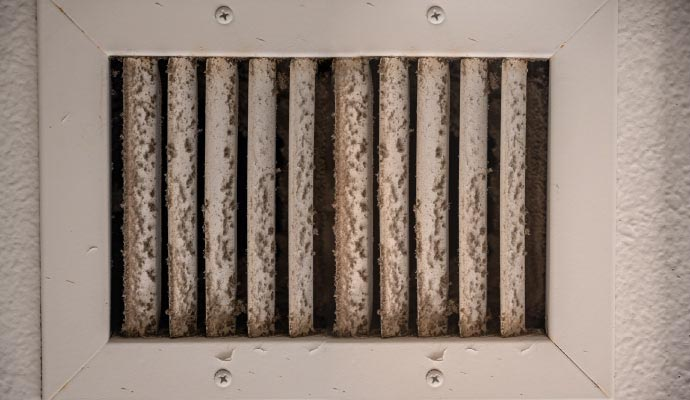
In Viera, the combination of high humidity and aging air conditioning systems makes residential properties particularly vulnerable to black mold growth from AC condensation. Condensation forms when warm, humid air contacts the cold evaporator coil of an air conditioning unit, creating moisture. If this water is not properly drained or managed, it can accumulate in drip pans, ductwork, or near vents, creating an ideal environment for black mold (Stachybotrys chartarum).
Black mold is not just unsightly—it can compromise indoor air quality, trigger allergies, exacerbate asthma, and damage structural components. For homeowners, understanding how to inspect, remediate, and prevent mold growth caused by AC condensation is essential.
Understanding the Problem
Air conditioning units are designed to regulate temperature and humidity. However, several factors in Viera homes contribute to black mold growth:
- Clogged Condensate Lines
- Dust, dirt, and algae can block drain pipes, causing water to overflow.
- Damaged Drip Pans
- Stagnant water in rusted or damaged pans promotes microbial growth.
- High Indoor Humidity
- Viera’s humid climate increases moisture in the air, exacerbating condensation.
- Poor Ventilation
- Insufficient airflow in attics, crawlspaces, or duct systems allows moisture to accumulate.
- Neglected HVAC Maintenance
- Dirty filters, coils, and ducts trap moisture and organic debris, supporting mold colonies.
Health and Structural Risks of AC-Related Black Mold
- Respiratory Issues
- Mold spores circulated through HVAC systems can trigger allergies, asthma, coughing, and sinus irritation.
- Infections
- People with weakened immune systems may experience more serious infections from prolonged exposure.
- Property Damage
- Mold weakens building materials, stains surfaces, and causes musty odors.
- HVAC Inefficiency
- Mold buildup restricts airflow, increasing energy costs and strain on the system.
Early Warning Signs Homeowners Should Watch For
- Musty or Moldy Odor
- A damp, earthy smell near vents or air returns is often the first indication of mold.
- Visible Mold or Discoloration
- Black or green spots may appear on drip pans, coils, or duct surfaces.
- Water Damage Indicators
- Leaks, condensation dripping, or standing water around the AC unit.
- Health Symptoms
- Persistent sneezing, coughing, or irritation when the HVAC system is running.
- Reduced Airflow
- Clogged ducts and mold buildup can reduce the efficiency of the HVAC system.
Step-by-Step Black Mold Inspection and Removal Process
Step 1: Safety Precautions
- Wear PPE including gloves, respirators, and eye protection.
- Shut off power to the HVAC system to prevent electrical hazards.
- Seal off affected areas with plastic barriers to prevent spore spread.
Step 2: Inspection
- Check drip pans, evaporator coils, ducts, and vents for standing water or mold colonies.
- Use moisture meters and thermal imaging cameras to detect hidden damp areas.
- Identify the source of water accumulation to prevent recurrence.
Step 3: Containment
- Establish negative air pressure with HEPA filters in the affected area.
- Close doors and vents to prevent spores from spreading throughout the home.
Step 4: Removal of Contaminated Components
- Remove or replace mold-infested air filters, drip pans, or duct sections.
- For minor surface growth, clean with antimicrobial solutions.
Step 5: Cleaning and Sanitization
- Apply EPA-approved antimicrobial or biocide treatments to all affected areas.
- Scrub evaporator coils, drip pans, and duct surfaces thoroughly to remove spores.
Step 6: Drying
- Use industrial fans, air movers, and dehumidifiers to completely dry the AC system and surrounding areas.
- Ensure no moisture remains, as lingering water promotes regrowth.
Step 7: Repairs and Restoration
- Fix clogged condensate lines, replace damaged drip pans, and seal duct leaks.
- Reinstall clean or new air filters and check AC system operation.
Step 8: Post-Remediation Testing
- Conduct visual inspections and, if necessary, air quality testing to confirm mold removal.
- Monitor the system for several days to ensure mold does not return.
Cost Considerations for AC Mold Removal in Viera
The cost of mold remediation from AC condensation depends on severity, affected area, and HVAC complexity:
- Minor Mold Cleaning: $150–$500 (small units, limited growth)
- Moderate Infestation: $500–$1,500 (larger systems or several duct sections)
- Severe or Extensive Mold: $1,500–$5,000+ (full HVAC system, duct replacement, antimicrobial treatment)
Investing in early remediation reduces long-term expenses, prevents damage to HVAC systems, and protects health.
Preventive Strategies for Homeowners
- Regular HVAC Maintenance
- Schedule semiannual inspections of AC units, coils, and ducts.
- Clean Condensate Lines and Drip Pans
- Flush lines regularly to remove algae, dirt, and debris.
- Use High-Efficiency Filters
- HEPA or MERV-rated filters help trap dust and spores.
- Control Indoor Humidity
- Maintain humidity levels below 60% using dehumidifiers and proper ventilation.
- Inspect Ductwork
- Seal leaks and insulate ducts to prevent condensation buildup.
- Address Leaks Promptly
- Repair any water leaks in the AC system immediately.
Benefits of Professional Black Mold Removal
- Health Protection
- Eliminates airborne spores that cause allergies or respiratory problems.
- System Efficiency
- Clean ducts and components improve airflow and reduce energy costs.
- Structural Preservation
- Prevents mold from spreading to walls, ceilings, and insulation.
- Cost Savings
- Early remediation avoids expensive repairs and potential replacement of HVAC systems.
- Peace of Mind
- Ensures a safe, clean, and comfortable home environment.
Conclusion
In Viera, AC condensation is a leading cause of black mold growth in homes, particularly in older systems or humid conditions. Proper inspection, remediation, and preventive strategies are essential to protect both residents and property.
By understanding the early warning signs, engaging professional mold removal services, and maintaining HVAC systems, homeowners can prevent serious health risks, structural damage, and costly repairs. Prompt attention ensures a healthy, safe, and comfortable living environment, even in Viera’s humid climate.