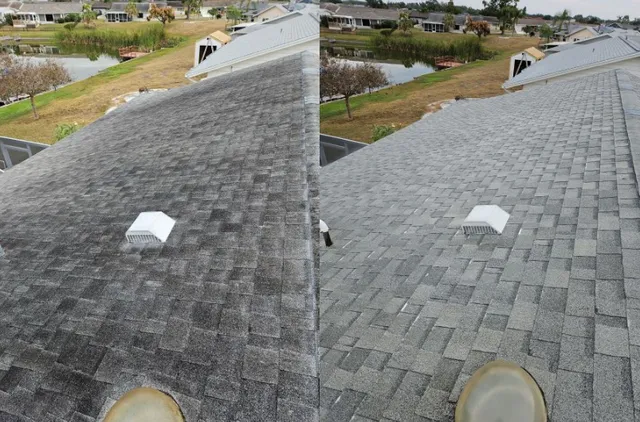
How Black Mold Removal Helps Homes in Rockledge During Rainy Season
Rainy seasons in Rockledge bring heavy rainfall, high humidity, and sometimes flooding, creating ideal conditions for black mold growth in homes. Black mold, scientifically known as Stachybotrys chartarum, thrives in damp, poorly ventilated environments and can rapidly colonize walls, ceilings, floors, and HVAC systems. If left untreated, it can damage structural components, reduce indoor air quality, and pose serious health risks to residents.
This guide explains how black mold removal helps homes during the rainy season, including identifying early signs, the removal process, benefits of professional remediation, cost considerations, and preventive strategies.
Why Black Mold Grows During Rainy Season
- High Humidity
- Rainy weather increases indoor and outdoor moisture.
- Moisture accumulates in walls, basements, attics, and crawlspaces, providing ideal conditions for mold growth.
- Water Intrusion
- Roof leaks, window leaks, and poor drainage allow rainwater to penetrate homes.
- Older homes in Rockledge are particularly vulnerable due to aging roofing, siding, or foundations.
- Flooding
- Storm surges and heavy rains can result in standing water that saturates floors and carpets.
- Floodwater often contains organic material that supports mold growth.
- Condensation
- AC systems and poorly ventilated spaces can create condensation on walls and ductwork, further promoting mold colonization.
Early Signs of Black Mold in Homes
Homeowners should watch for these warning signs:
- Musty or Earthy Odor
- Persistent odors often indicate hidden mold growth.
- Visible Black or Greenish Spots
- Typically found in damp areas like basements, bathrooms, or near windows.
- Peeling or Discolored Paint/Wallpaper
- Moisture behind surfaces can cause finishes to bubble, crack, or peel.
- Health Symptoms
- Allergic reactions, coughing, sneezing, headaches, or respiratory issues may appear in sensitive individuals.
- Warped Wood or Flooring
- Moisture accumulation can cause structural materials to swell, warp, or rot.
How Black Mold Removal Works
Professional mold remediation ensures safe and effective removal:
Step 1: Inspection and Assessment
- Identify mold-affected areas and sources of moisture.
- Use moisture meters and thermal imaging to detect hidden water.
Step 2: Containment
- Seal off affected areas with plastic barriers to prevent mold spores from spreading.
- Use negative air pressure machines to maintain air flow containment.
Step 3: Removal of Contaminated Materials
- Remove drywall, insulation, carpets, or ceiling tiles heavily affected by mold.
- Non-porous surfaces are cleaned and sanitized.
Step 4: Cleaning and Sanitization
- Apply EPA-approved biocides and antimicrobials to kill mold spores.
- Scrub or HEPA-vacuum all surfaces to remove residual spores.
Step 5: Drying and Dehumidification
- Use industrial fans, air movers, and dehumidifiers to eliminate remaining moisture.
- Ensure humidity levels remain below 60% to prevent recurrence.
Step 6: Repairs and Restoration
- Replace damaged materials and restore structural integrity.
- Repaint or install new flooring, drywall, or insulation as needed.
Step 7: Post-Remediation Inspection
- Conduct a final check to ensure mold has been completely removed.
- Consider air quality testing to verify safe living conditions.
Benefits of Black Mold Removal During Rainy Season
- Protects Health
- Eliminates airborne spores and reduces allergy or asthma triggers.
- Prevents Structural Damage
- Stops mold from weakening wood, drywall, and flooring.
- Improves Indoor Air Quality
- Reduces odors, dust, and potential toxins in the home.
- Cost Savings
- Early removal prevents extensive damage and expensive repairs.
- Peace of Mind
- Ensures a safe and comfortable environment for family members.
Costs of Black Mold Removal in Rockledge
The cost depends on the severity and size of the affected area:
- Small Areas (under 10 sq. ft.): $300–$800
- Moderate Areas (10–50 sq. ft.): $800–$3,000
- Large or Severe Infestations: $3,000–$10,000+
- Additional costs may include structural repairs, air duct cleaning, and moisture control systems.
Preventive Strategies for Rainy Seasons
- Roof and Gutter Maintenance
- Repair leaks and clear debris to prevent water intrusion.
- Proper Ventilation
- Use exhaust fans, dehumidifiers, and adequate airflow to reduce indoor humidity.
- Inspect and Seal Windows and Doors
- Prevent rainwater from entering through gaps or damaged seals.
- Monitor Attics, Basements, and Crawlspaces
- Check for leaks, dampness, and signs of mold regularly.
- Install Moisture Barriers
- Use vapor barriers in crawlspaces and basements to reduce moisture exposure.
- Routine AC and Plumbing Inspections
- Prevent condensation or leaks that can feed mold growth.
Conclusion
The rainy season in Rockledge poses a heightened risk for black mold in homes due to increased humidity, water intrusion, and flooding. Timely mold removal is critical to protect health, maintain structural integrity, and preserve indoor air quality.
By understanding early warning signs, employing professional remediation services, and implementing preventive strategies—such as ventilation, dehumidification, and regular home inspections—homeowners can effectively manage mold risks during wet months. Proper mold remediation ensures that your Rockledge home remains safe, healthy, and comfortable throughout the rainy season and beyond.