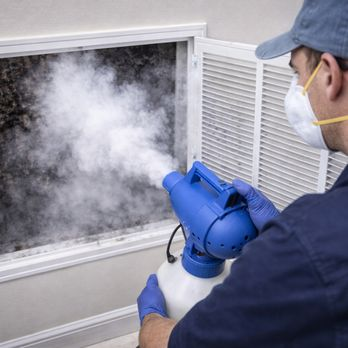
Palm Bay Air Duct Cleaning after Flooding: What Homeowners Should Know
Flooding is one of the most disruptive and damaging events a homeowner in Palm Bay can face. Beyond the immediate water damage to floors, walls, and personal belongings, floodwaters can infiltrate HVAC systems, contaminating air ducts with debris, bacteria, mold spores, and sediment. For homes affected by flooding, air duct cleaning becomes a critical component of restoration. Proper duct cleaning not only improves indoor air quality but also prevents long-term health risks and structural damage.
This guide explains what homeowners should know about air duct cleaning after flooding, including why it’s necessary, common challenges, step-by-step cleaning processes, cost considerations, and preventive tips.
Why Air Duct Cleaning Is Critical After Flooding
Floodwaters often carry contaminants, including mud, bacteria, chemicals, and sewage. When water reaches HVAC systems, it can create a breeding ground for mold and bacteria. Cleaning air ducts after flooding is essential for several reasons:
- Health Protection
- Floodwaters can introduce harmful microorganisms into ducts.
- Breathing in contaminated air can trigger allergies, asthma, or infections.
- Improved Indoor Air Quality
- Dirt, dust, and debris carried by floodwater reduce air quality.
- Clean ducts circulate healthier air throughout the home.
- Prevent Mold Growth
- Damp ducts are ideal for mold colonization.
- Mold in ductwork spreads spores to every room.
- Efficiency of HVAC Systems
- Debris buildup can restrict airflow, reducing efficiency and increasing energy costs.
- Preservation of Property Value
- Post-flood restoration, including clean ducts, maintains home value and prevents long-term damage.
Common Challenges in Cleaning Air Ducts After Flooding
Air duct cleaning after flooding presents unique challenges:
- Contaminant Diversity: Floodwaters carry sediment, chemicals, and biohazards.
- Hidden Moisture: Water may remain trapped in ducts, promoting mold growth.
- Structural Damage: Older ducts may be damaged or corroded by floodwater.
- Accessibility Issues: Ducts behind walls or ceilings are difficult to reach without specialized equipment.
- Cross-Contamination: Without proper containment, cleaning one section can spread contaminants to other parts of the system.
Early Signs Homeowners Should Watch For
Homeowners should be alert to signs indicating their ducts need cleaning:
- Musty or Moldy Odors
- Persistent smells may indicate mold or bacterial growth in the ducts.
- Visible Debris or Sediment
- Water stains, mud, or debris around vents indicate contamination.
- Allergy or Respiratory Symptoms
- Increased coughing, sneezing, or irritation after flooding may point to contaminated ducts.
- Reduced HVAC Performance
- Restricted airflow due to debris buildup may strain the system.
Step-by-Step Process of Air Duct Cleaning After Flooding
Step 1: Initial Assessment
- Inspect the ductwork for contamination, water damage, and mold.
- Determine the extent of cleaning and identify areas requiring replacement.
Step 2: Containment
- Seal off ducts to prevent contaminants from spreading throughout the home during cleaning.
Step 3: Debris Removal
- Remove sediment, debris, and standing water using vacuum systems with HEPA filtration.
- Use brushes or compressed air to dislodge debris inside ductwork.
Step 4: Sanitization
- Apply EPA-approved antimicrobial or biocide treatments to prevent microbial growth.
- Focus on high-risk areas such as drip pans, registers, and elbows.
Step 5: Drying
- Use industrial fans or dehumidifiers to eliminate residual moisture.
- Ensure ducts are completely dry to prevent mold regrowth.
Step 6: Inspection and Testing
- Conduct a final inspection to confirm cleanliness.
- Air quality tests may be performed to ensure contaminants are removed.
Step 7: System Restoration
- Reconnect the ductwork to the HVAC system.
- Replace damaged filters, register covers, and other components as needed.
Costs of Air Duct Cleaning After Flooding
The cost of cleaning air ducts after flood exposure varies based on home size, contamination level, and required treatments:
- Single System Cleaning: $300–$800
- Multiple HVAC Units or Extensive Contamination: $800–$2,500+
- Mold Remediation in Ducts: $500–$5,000 depending on severity
- Additional Repairs (Damaged Ducts or Registers): Varies by materials and labor
Early intervention can reduce overall costs by preventing extensive mold growth and structural damage.
Preventive Tips for Homeowners
- Regular HVAC Maintenance
- Schedule routine inspections and filter changes.
- Post-Flood System Check
- Inspect ducts immediately after flooding to prevent microbial growth.
- Install High-Quality Filters
- Use HEPA or high-MERV filters to trap dust and spores.
- Control Indoor Humidity
- Keep humidity between 40–60% with dehumidifiers if necessary.
- Seal and Insulate Ducts
- Prevent water intrusion and improve airflow efficiency.
- Replace Severely Damaged Components
- Replace duct sections or HVAC parts damaged by floodwaters.
Benefits of Air Duct Cleaning After Flooding
- Healthier Air
- Reduces allergens, mold spores, and bacteria circulating indoors.
- Enhanced HVAC Performance
- Clean ducts allow systems to operate efficiently, reducing energy costs.
- Structural Protection
- Prevents mold spread to walls, ceilings, and insulation.
- Peace of Mind
- Homeowners can feel safe knowing their air quality has been restored.
Conclusion
Flooding in Palm Bay can have far-reaching effects beyond visible water damage, including compromised indoor air quality due to contaminated ducts. Homeowners should not overlook the importance of professional air duct cleaning as part of post-flood restoration.
By recognizing early signs, engaging qualified technicians, and implementing preventive strategies, homeowners can restore healthy indoor air, protect their family’s health, and ensure the long-term functionality and efficiency of their HVAC systems. Prompt and thorough duct cleaning is an essential step in returning a flooded home to safe, habitable, and comfortable conditions.