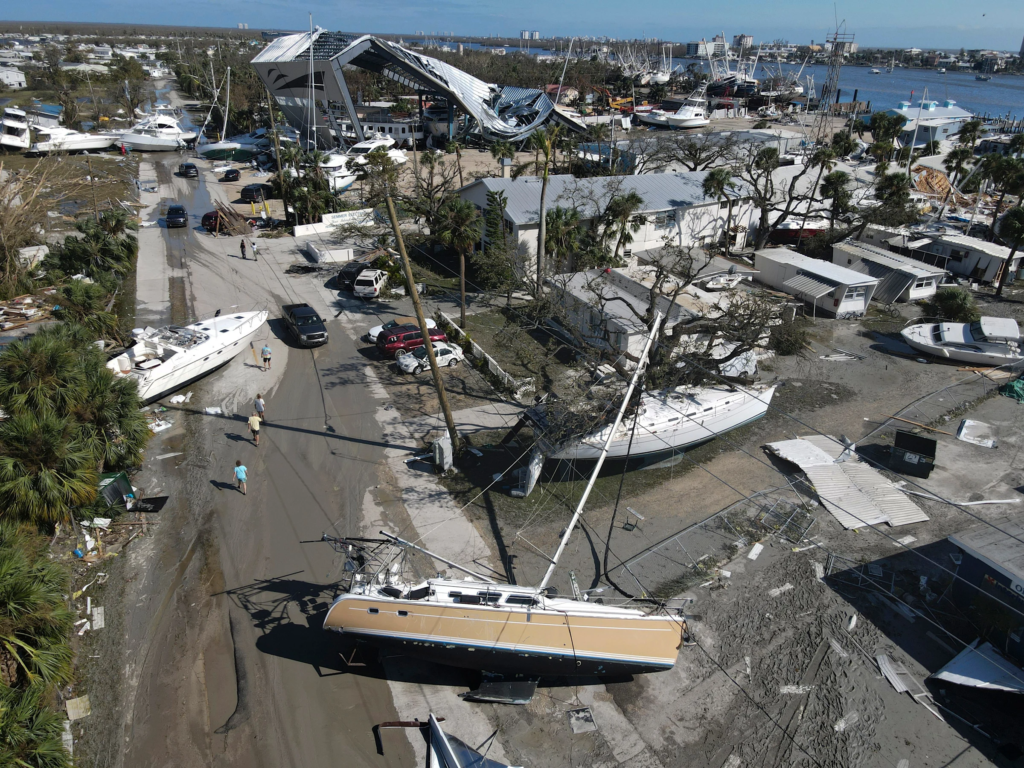
Palm Bay Flood Restoration After Hurricanes: Professional Tips for Property Owners
Hurricanes are an unavoidable reality for homeowners in Palm Bay, often bringing heavy rainfall, high winds, and widespread flooding. While the immediate damage from a hurricane—fallen trees, broken windows, or roof leaks—is apparent, one of the most serious challenges is water intrusion and subsequent flood damage. For property owners, understanding the processes, risks, and professional strategies for flood restoration is essential to protect their investment, preserve property value, and maintain safe living conditions.
This guide provides a comprehensive overview of flood restoration after hurricanes in Palm Bay, including tips from professional restorers, preventive measures, cost considerations, and long-term strategies for property maintenance.
Why Flood Restoration Is Critical After Hurricanes
Flooding poses multiple risks that go beyond visible water damage:
- Structural Damage
- Water weakens walls, flooring, insulation, and foundations.
- Prolonged exposure can lead to warping, rot, or even partial collapse.
- Health Hazards
- Standing water fosters mold growth, bacteria, and viruses.
- Poor indoor air quality can result from mold spores, affecting occupants’ respiratory health.
- Property Loss
- Furniture, appliances, and personal belongings are vulnerable to irreparable damage.
- Electronics and documents may require specialized recovery techniques.
- Long-Term Risks
- Hidden moisture can persist in walls, under floors, or in attics.
- Untreated water damage can reduce the home’s resale value and lead to ongoing repair needs.
Prompt, professional flood restoration mitigates these risks and ensures safe and lasting recovery.
Common Causes of Flooding in Palm Bay Homes During Hurricanes
Understanding the sources of flooding helps property owners anticipate risks:
- Heavy Rainfall
- Hurricanes often deliver intense rainfall, overwhelming home drainage systems.
- Storm Surges
- Homes near coastal areas or rivers may experience water levels rising above ground, entering basements and first floors.
- Roof Leaks
- Damaged shingles or flashing allow rainwater into ceilings, walls, and insulation.
- Plumbing Failures
- Pipes or water heaters may fail during storms due to pressure changes or prior wear.
- Poor Yard Drainage
- Low-lying properties with inadequate grading experience water pooling around foundations.
- Sewer Backup
- Municipal drainage systems may become overwhelmed, pushing water back into homes.
Step-by-Step Flood Restoration Process
Professional flood restoration follows a systematic approach to ensure complete recovery:
Step 1: Safety Assessment
- Identify hazards such as structural instability, exposed electricity, or contaminated water.
- Wear personal protective equipment (PPE) including gloves, boots, and masks.
- Turn off electricity and gas if necessary to prevent accidents.
Step 2: Water Extraction
- Remove standing water using pumps, wet vacuums, or industrial-grade extraction equipment.
- Address water trapped in walls, ceilings, or under flooring to prevent hidden damage.
Step 3: Drying and Dehumidification
- Deploy high-capacity dehumidifiers, air movers, and fans.
- Monitor moisture levels in walls, floors, and crawlspaces to ensure complete drying.
Step 4: Cleaning and Sanitization
- Remove debris and disinfect all affected surfaces.
- Treat personal belongings, furniture, and structural materials with antimicrobial solutions.
- Remove irreparably damaged items to prevent mold growth.
Step 5: Mold Prevention and Remediation
- Inspect for mold within 24–48 hours of water exposure.
- Apply mold inhibitors to susceptible surfaces.
- Conduct full mold remediation if contamination is extensive.
Step 6: Repairs and Reconstruction
- Restore structural elements, including drywall, flooring, and cabinetry.
- Repaint, refinish, or replace materials as needed.
- Repair plumbing, HVAC, and electrical systems damaged by floodwater.
Step 7: Final Inspection
- Verify moisture levels, air quality, and structural integrity.
- Document all restoration work for insurance purposes.
- Schedule follow-up inspections to monitor for future water intrusion.
Professional Tips for Effective Flood Restoration
- Act Quickly
- Water damage worsens rapidly. Immediate response prevents structural deterioration and mold growth.
- Engage Certified Professionals
- Professionals have specialized tools, training, and experience to ensure complete and safe restoration.
- Document Everything
- Take photos and videos before restoration for insurance claims.
- Keep receipts for cleanup, repairs, and temporary accommodations.
- Focus on Hidden Moisture
- Inspect behind walls, under flooring, and in attics or crawlspaces.
- Use moisture meters or thermal imaging to detect areas of concern.
- Prevent Mold
- Dry all areas within 24–48 hours.
- Apply mold-resistant treatments to prevent future growth.
- HVAC System Care
- Floodwater can infiltrate ducts and air conditioning units.
- Clean or replace filters, ducts, and HVAC components to restore air quality.
- Insurance Preparation
- Understand what flood damage your insurance covers.
- Provide detailed documentation of damage and restoration efforts.
Cost Considerations for Flood Restoration
Costs vary depending on the extent of flooding, home size, and required services:
- Minor Flooding (single room): $1,000–$3,000
- Moderate Flooding (multiple rooms or basement): $3,000–$10,000
- Severe Flooding (entire home, structural damage, mold remediation): $10,000–$50,000+
Factors affecting costs include water extraction, drying, mold treatment, structural repairs, and replacement of personal property. Early restoration reduces long-term financial burdens.
Preventive Measures for Property Owners
To minimize future flood risks, homeowners should implement preventive strategies:
1. Conduct Pre-Storm Inspections
- Check roofs, gutters, windows, and plumbing before hurricane season.
- Repair damage or weak points to prevent water intrusion.
2. Install Flood Mitigation Solutions
- Sandbags, flood barriers, or elevation solutions can protect low-lying areas.
- Seal basements, foundations, and crawlspaces to prevent seepage.
3. Maintain Proper Drainage
- Keep gutters, downspouts, and yard grading functional.
- Ensure water is directed away from the home’s foundation.
4. Protect HVAC and Electrical Systems
- Elevate HVAC equipment above potential flood levels.
- Install surge protection to prevent electrical damage.
5. Emergency Preparedness
- Keep pumps, wet vacuums, dehumidifiers, and protective gear ready.
- Maintain contact information for certified flood restoration professionals.
6. Educate Occupants
- Teach family members or tenants to recognize water intrusion and respond quickly.
- Develop an action plan for immediate response during and after hurricanes.
Long-Term Benefits of Professional Flood Restoration
- Health and Safety: Reduces exposure to bacteria, mold, and contaminated water.
- Structural Integrity: Maintains the home’s foundation, walls, and roofing.
- Financial Efficiency: Early restoration prevents more extensive and expensive repairs.
- Property Value: Preserves or enhances resale value.
- Peace of Mind: Ensures home is safe, habitable, and resilient for future storms.
Conclusion
For property owners in Palm Bay, hurricanes present serious flooding risks that extend beyond obvious structural damage. Professional flood restoration is essential to mitigate water damage, prevent mold growth, protect occupant health, and maintain property value.
By understanding the restoration process, acting quickly, engaging certified professionals, and implementing preventive measures, homeowners can minimize long-term costs and preserve the safety and livability of their homes. With proper planning and prompt action, properties in Palm Bay can recover from hurricane-induced flooding efficiently and remain resilient against future storm events.