Indoor Air Quality Improvement Services in Palm Bay After Hurricanes: Costs, Causes, and Solutions
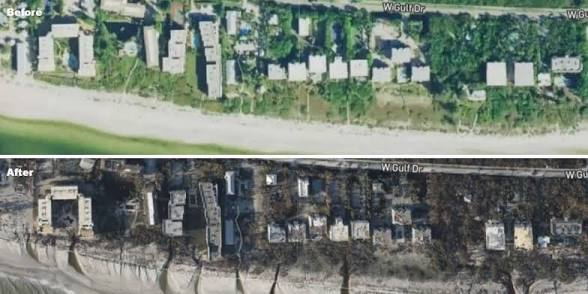
Hurricanes are a frequent concern in Palm Bay, bringing high winds, heavy rain, and widespread flooding. While the immediate structural damage from hurricanes is often obvious, one of the less visible but equally important consequences is the impact on indoor air quality (IAQ). Flooded areas, leaks, and water-damaged HVAC systems create conditions for mold, bacteria, and allergens to thrive, leading to compromised air quality that affects health, comfort, and home value.
For homeowners and property managers, understanding the causes, costs, and solutions for indoor air quality improvement after hurricanes is essential. This guide provides a comprehensive look at the challenges and strategies for restoring and maintaining healthy indoor environments in Palm Bay.
Why Indoor Air Quality Is Affected After Hurricanes
Hurricanes introduce moisture, contaminants, and environmental stressors that can significantly reduce IAQ:
- Flooding and Water Damage
- Floodwaters saturate floors, walls, and insulation, creating environments conducive to mold growth.
- Contaminated water may carry bacteria, sewage, and chemical pollutants into homes.
- Structural Damage to HVAC Systems
- Storm damage can compromise ducts, fans, and filters, spreading airborne pollutants throughout the house.
- Damp ducts and air handlers may harbor mold spores that circulate with airflow.
- High Humidity
- Hurricanes leave homes damp, increasing relative humidity inside.
- Persistent moisture encourages microbial growth, musty odors, and dust mite proliferation.
- Debris and Contaminants
- Hurricane winds and rain can introduce debris, dust, pollen, and chemical residues into homes.
- Improper cleanup can leave these pollutants suspended in indoor air.
- Delayed Restoration
- Homes left wet for days or weeks without intervention are particularly vulnerable to IAQ deterioration.
Common Health Impacts of Poor Indoor Air Quality
Indoor air quality issues caused by hurricanes can have immediate and long-term health effects:
- Respiratory Problems
- Wheezing, coughing, and exacerbation of asthma or chronic bronchitis.
- Allergic Reactions
- Sneezing, itchy eyes, skin irritation, and nasal congestion from mold spores and dust.
- Neurological Symptoms
- Prolonged exposure to toxins released by mold may contribute to headaches, fatigue, or dizziness.
- Vulnerable Populations
- Children, elderly individuals, and immunocompromised residents are most at risk.
Addressing IAQ post-hurricane is not merely a comfort issue—it is a public health priority.
Primary Causes of IAQ Degradation After Hurricanes
Understanding what specifically drives poor IAQ after hurricanes allows homeowners to prioritize mitigation:
- Mold and Fungal Growth
- Moisture accumulation in walls, ceilings, and floors leads to rapid fungal colonization.
- HVAC systems can distribute spores, increasing exposure.
- Dust and Particulate Matter
- Wind-blown debris enters through broken windows, doors, or vents.
- Renovation or cleanup activities stir up dust and contaminants.
- Chemical Residues
- Floodwaters often carry pollutants from roads, yards, or industrial areas.
- Household chemicals mixed with floodwater can release VOCs.
- Stagnant Air
- Power outages or closed homes reduce ventilation, trapping pollutants indoors.
Indoor Air Quality Improvement Services After Hurricanes
Professional IAQ services focus on identifying, treating, and preventing contaminants. Common steps include:
Step 1: Inspection and Assessment
- Professionals examine all living spaces, HVAC systems, and potential water intrusion areas.
- Tools such as air sampling devices, moisture meters, and thermal cameras are used to detect hidden contaminants.
Step 2: Moisture Remediation
- Identify and remove water-damaged materials like drywall, insulation, or carpets.
- Dry affected areas using industrial fans, dehumidifiers, and ventilation systems.
Step 3: Mold Remediation
- Remove visible mold and apply antimicrobial solutions to prevent regrowth.
- Conduct air duct cleaning to remove spores from HVAC systems.
Step 4: Air Filtration and Purification
- Install HEPA filters and portable air purifiers to reduce allergens and particulate matter.
- Ensure HVAC systems are cleaned, sanitized, and functioning properly.
Step 5: Odor Removal
- Neutralize musty or chemical odors caused by stagnant water, mold, or flood debris.
- Use air scrubbers, ozone treatments, or fogging technologies as appropriate.
Step 6: Ventilation Improvement
- Enhance airflow with exhaust fans, dehumidifiers, or upgraded HVAC components.
- Reduce indoor humidity to below 50% to discourage mold and dust mite proliferation.
Step 7: Follow-Up Testing
- Conduct post-remediation air quality testing to confirm that contaminants have been removed.
- Provide homeowners with reports detailing IAQ improvements and ongoing recommendations.
Costs of IAQ Improvement Services
Costs depend on the size of the home, the severity of contamination, and the services required:
- Initial Inspection: $150–$400
- HVAC Cleaning and Ductwork: $400–$1,200
- Mold Remediation: $1,500–$10,000+ (depending on affected areas)
- Comprehensive IAQ Restoration (inspection, mold remediation, HVAC cleaning, air purification): $3,000–$15,000
Early intervention often reduces costs by preventing extensive structural and health-related damage.
Preventive Solutions for Homeowners
1. Regular HVAC Maintenance
- Clean or replace air filters before and after hurricane season.
- Ensure condensate drains are functional and free from debris.
2. Moisture Monitoring
- Install humidity sensors and leak detectors in basements, attics, and around plumbing.
- Maintain indoor humidity below 50% whenever possible.
3. Structural Repairs
- Seal roof leaks, window cracks, and foundation gaps to prevent water intrusion.
- Consider mold-resistant building materials for vulnerable areas.
4. Ventilation Upgrades
- Install whole-house ventilation systems to maintain airflow and reduce indoor contaminants.
5. Post-Hurricane Cleanup
- Dry all wet areas immediately, remove water-damaged materials, and disinfect surfaces.
- Avoid using wet carpets or furniture without professional drying.
6. Education
- Teach family members to recognize signs of moisture, mold, or poor air quality.
- Encourage reporting leaks, condensation, or musty odors promptly.
Long-Term Benefits of IAQ Improvement
- Health Protection: Reduces exposure to mold spores, bacteria, and allergens.
- Structural Preservation: Prevents moisture-related rot and damage to walls, floors, and ceilings.
- Financial Savings: Minimizes costs from mold remediation, structural repair, or medical expenses.
- Comfort: Maintains a fresh, odor-free, and safe indoor environment.
- Property Value: Enhances resale value by demonstrating a well-maintained, healthy home.
Conclusion
Hurricanes pose significant challenges for homeowners in Palm Bay, with indoor air quality being one of the most critical yet often overlooked aspects of post-storm recovery. Flooding, HVAC damage, high humidity, and debris contribute to mold, allergens, and poor air circulation, impacting both health and home integrity.
Investing in professional indoor air quality improvement services after hurricanes ensures comprehensive inspection, targeted remediation, and long-term monitoring. By understanding the causes, costs, and solutions for IAQ improvement, property owners can protect their homes, safeguard their families’ health, and reduce long-term financial and structural risks. Proactive measures, combined with expert intervention, make homes in Palm Bay safer, healthier, and more resilient to the impacts of future storms.