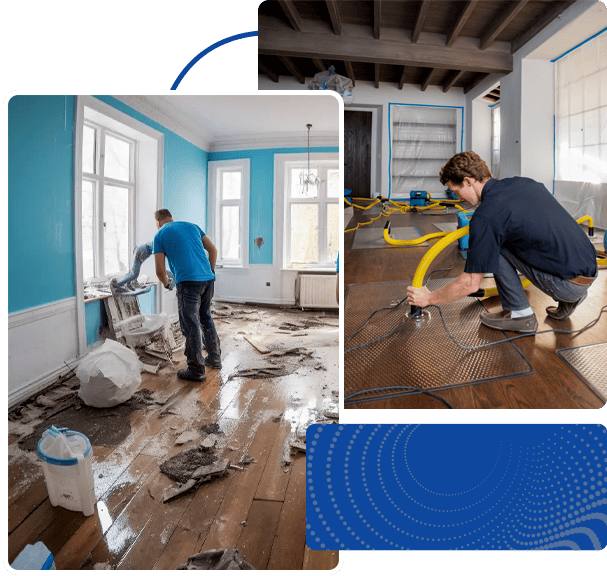
Complete Guide for Homeowners: Moisture Detection in Palm Bay After Water Damage
Water damage is one of the most common issues that homeowners in Palm Bay face, particularly after heavy rains, storms, or plumbing failures. While visible signs like wet floors and walls are obvious indicators, much of the moisture can remain hidden, leading to long-term structural damage, mold growth, and compromised indoor air quality. Moisture detection is a critical step in mitigating these risks and ensuring that homes are safe, dry, and healthy after water damage.
This guide provides homeowners in Palm Bay with a detailed understanding of moisture detection, the tools and techniques used, common warning signs, the risks of ignoring hidden moisture, and preventive strategies to minimize future water-related issues.
Why Moisture Detection Matters
After water damage, moisture can remain trapped in areas that are difficult to see or access. Detecting it early is essential for several reasons:
- Prevent Structural Damage
- Prolonged exposure to moisture weakens wood, drywall, and subflooring
- Hidden water can cause rot, warping, and degradation of materials
- Avoid Mold and Mildew Growth
- Moisture trapped in walls, flooring, or ceilings can lead to mold within 24–48 hours
- Mold spores pose health risks and require costly remediation
- Protect Indoor Air Quality
- Damp areas promote bacterial and fungal growth
- Contaminated air can exacerbate respiratory issues
- Reduce Repair Costs
- Early detection prevents widespread damage
- Targeted drying and remediation are less expensive than full structural replacement
Common Sources of Water Damage in Palm Bay Homes
Homeowners should be aware of typical causes of water intrusion:
- Plumbing Failures: Burst pipes, leaking water heaters, or faulty appliances
- Roof Leaks: Aging roofs, missing shingles, or storm damage
- Storm and Flood Events: Heavy rains or hurricanes that overwhelm drainage systems
- HVAC Systems: Condensation leaks from air conditioning units
- Poor Drainage: Inefficient gutters, downspouts, or improper yard grading
Understanding the source of moisture helps guide effective detection and remediation efforts.
Warning Signs of Hidden Moisture
Even when visible water is absent, homeowners may notice subtle signs of moisture:
- Musty or damp odors in basements, closets, or attics
- Peeling paint, bubbling wallpaper, or water stains on walls or ceilings
- Warping or buckling of hardwood floors
- Persistent condensation on windows or vents
- Discoloration or rust on metal fixtures
- Increased indoor humidity levels
Ignoring these warning signs can result in serious long-term damage.
Tools and Techniques for Moisture Detection
Professional moisture detection involves a combination of visual inspection and specialized tools:
1. Moisture Meters
- Pin meters: Measure moisture content by inserting probes into materials
- Pinless meters: Use electromagnetic signals to assess moisture without penetration
2. Infrared (Thermal) Cameras
- Detect temperature variations caused by wet materials
- Useful for identifying hidden leaks behind walls or under floors
3. Hygrometers
- Measure relative humidity in the air
- Help identify damp areas that may not be visibly wet
4. Boroscopes or Inspection Cameras
- Allow visual inspection in tight or hidden spaces such as inside walls or HVAC ducts
5. Moisture Sensors
- Alert homeowners to high moisture areas in real-time
- Can be installed in basements, crawlspaces, or near plumbing
Step-by-Step Process for Moisture Detection
Professional or DIY moisture detection typically follows a systematic approach:
Step 1: Initial Visual Inspection
- Examine walls, ceilings, floors, and crawlspaces for signs of water damage
- Identify the source of water intrusion
Step 2: Measure Moisture Levels
- Use meters to check wood, drywall, and flooring
- Compare readings to normal moisture thresholds
Step 3: Identify Hidden Moisture
- Use thermal cameras to detect damp areas behind walls or under floors
- Inspect HVAC systems, attic insulation, and crawlspaces for hidden water
Step 4: Document Findings
- Create a detailed record of moisture levels and affected areas
- Helps track drying progress and supports insurance claims
Step 5: Targeted Remediation
- Prioritize areas for drying using dehumidifiers, fans, and water extraction equipment
- Treat or remove materials showing signs of mold or prolonged moisture
Health Risks of Ignoring Hidden Moisture
Unaddressed moisture in homes can lead to significant health hazards:
- Respiratory issues such as asthma or bronchitis
- Allergic reactions due to mold and dust mites
- Skin irritation or infections from bacteria in damp environments
- Increased exposure to harmful VOCs released by water-damaged building materials
Regular moisture detection mitigates these risks, protecting families and tenants.
Preventive Measures for Palm Bay Homeowners
Proactive strategies can help prevent future water damage:
1. Regular Property Inspections
- Check roofs, gutters, plumbing, and HVAC systems annually
- Address minor leaks before they escalate
2. Install Moisture Detection Systems
- Place sensors in basements, attics, and near plumbing
- Early detection prevents extensive damage
3. Improve Drainage
- Ensure gutters and downspouts direct water away from the foundation
- Grade yards to prevent water accumulation near the home
4. Maintain HVAC and Plumbing
- Schedule routine maintenance to avoid leaks or condensation problems
- Insulate pipes to reduce condensation and freezing risks
5. Flood-Proofing Measures
- Seal foundation cracks and install sump pumps where necessary
- Consider raised flooring in flood-prone areas
6. Educate Occupants
- Teach family members or tenants to report leaks or damp areas immediately
- Prompt reporting allows early intervention
Cost Considerations for Moisture Detection
The cost of professional moisture detection depends on the size of the home and the complexity of inspection:
- Basic Inspection: $150–$400 for visual inspection and moisture meter readings
- Moderate Inspection: $400–$800 including thermal imaging and detailed mapping
- Comprehensive Assessment: $800–$1,500+ for large homes, lab testing, and reporting
Investing in early detection reduces the need for expensive repairs, mold remediation, or structural replacement later.
Long-Term Benefits of Moisture Detection
- Preserves Structural Integrity
- Identifies and resolves moisture before it damages wood, drywall, or flooring
- Improves Indoor Air Quality
- Prevents mold growth and microbial contamination
- Reduces Health Risks
- Protects occupants from respiratory and allergic reactions
- Saves Money
- Early detection and targeted drying minimize repair and replacement costs
- Supports Insurance Claims
- Detailed moisture reports provide documentation for flood or water damage claims
Conclusion
Water damage in Palm Bay homes can have lasting consequences if moisture is left undetected. Effective moisture detection is essential for identifying hidden water, preventing mold growth, preserving indoor air quality, and avoiding costly structural damage.
By understanding the warning signs, investing in professional detection tools, and implementing preventive measures, homeowners can protect their property and ensure a safe, healthy living environment. Regular monitoring, early intervention, and proactive home maintenance are the keys to managing water-related risks in Palm Bay, providing peace of mind and long-term property value preservation.