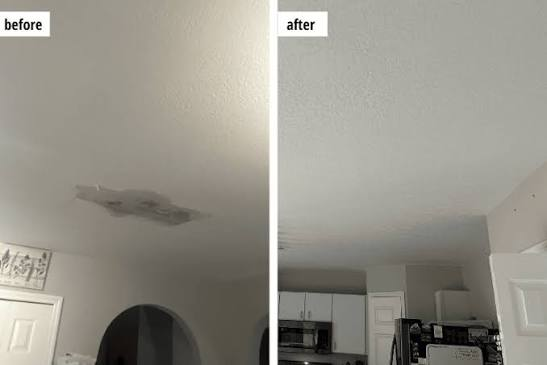
Water Damage Restoration Services in Merritt Island After Roof Leaks: Costs, Causes, and Solutions
Roof leaks in residential and commercial properties in Merritt Island can cause severe water damage if not addressed promptly. The combination of Florida’s frequent storms, high humidity, and aging roofing systems makes homes particularly vulnerable. Water infiltration through roofs can compromise structural integrity, lead to mold growth, damage insulation, and affect indoor air quality. Understanding the causes, costs, and solutions for water damage restoration is crucial for homeowners, property managers, and tenants.
This comprehensive guide explores the causes of roof leaks, the step-by-step water damage restoration process, cost considerations, and preventive strategies to mitigate future damage in Merritt Island properties.
Common Causes of Roof Leaks Leading to Water Damage
Identifying the root cause of roof leaks is the first step in effective water damage restoration. In Merritt Island, common causes include:
1. Aging Roofing Materials
- Asphalt shingles lose granules and deteriorate over time
- Flat roofs may develop cracks or pooling areas
- Old metal or tile roofing may rust or shift, creating gaps
2. Severe Weather Events
- Heavy rainstorms, hurricanes, and wind-driven rain can damage shingles, flashings, and roof edges
- Flying debris can puncture roofs or compromise seals
3. Poor Roof Installation or Maintenance
- Improperly installed flashing or shingles leads to weak points
- Lack of regular inspections accelerates damage progression
4. Clogged or Damaged Gutters
- Overflowing gutters can cause water to back up under roof edges
- Improper drainage may result in water penetration at soffits or fascia
5. Condensation and HVAC Issues
- Inadequate attic ventilation or HVAC leaks can cause trapped moisture, leading to roof deck deterioration
- Condensation can mimic or exacerbate roof leak symptoms
6. Structural Vulnerabilities
- Roof penetrations for vents, chimneys, or skylights may allow water infiltration
- Settling foundations or shifting structures can misalign roofing materials
Understanding the causes helps homeowners and contractors tailor solutions to the specific problem.
Warning Signs of Roof-Related Water Damage
Homeowners in Merritt Island should monitor for early indicators of roof leaks:
- Discoloration or stains on ceilings and walls
- Peeling paint or wallpaper near exterior walls
- Sagging ceilings or water droplets during rain
- Mold or mildew odors in attics or interior spaces
- Warping or buckling flooring near perimeter walls
- Increased humidity or dampness in crawlspaces
Early detection allows restoration specialists to intervene before extensive structural or mold damage occurs.
Step-by-Step Water Damage Restoration Process
Professional water damage restoration is a multi-stage process that ensures the home is safe, dry, and restored to its pre-damage condition.
Step 1: Initial Inspection and Assessment
- Assess the extent of water intrusion from the roof leak
- Identify affected areas including ceilings, walls, flooring, and insulation
- Determine structural vulnerabilities and potential mold growth
Step 2: Water Extraction
- Use high-powered pumps and wet/dry vacuums to remove standing water
- Extract water from carpets, hardwood floors, and subflooring
- Prompt water removal prevents secondary damage and reduces mold risk
Step 3: Drying and Dehumidification
- Deploy air movers, fans, and industrial dehumidifiers
- Monitor moisture content in wood, drywall, and insulation using moisture meters
- Ensure complete drying before repairs to avoid hidden damage
Step 4: Mold Inspection and Remediation
- Check for mold in damp areas like attics, walls, and flooring
- Remove or treat affected materials with antimicrobial agents
- Implement containment procedures to prevent mold spread
Step 5: Structural Repairs
- Replace water-damaged drywall, ceiling tiles, and insulation
- Repair or reinforce wooden beams, rafters, or flooring
- Patch or replace damaged shingles, flashing, or roofing materials
Step 6: Final Inspection
- Verify moisture levels are within safe thresholds
- Ensure HVAC systems are free of water contamination
- Document repairs and provide homeowners with a detailed restoration report
Costs of Water Damage Restoration
The cost of restoration varies based on the severity of damage, size of the home, and materials affected.
- Minor leaks and surface damage: $500–$2,000
- Moderate damage affecting flooring, walls, and insulation: $2,000–$10,000
- Severe flooding with structural repairs and mold remediation: $10,000–$30,000+
Factors influencing cost:
- Age and condition of roofing materials
- Size of the affected area
- Presence of mold or microbial contamination
- Equipment and labor required for drying and repair
Early intervention significantly reduces costs and prevents secondary damage.
Preventive Measures to Minimize Future Roof Leaks
1. Regular Roof Inspections
- Conduct bi-annual inspections, particularly before and after storm seasons
- Look for missing or damaged shingles, cracks, and degraded flashing
2. Proper Gutter Maintenance
- Clean gutters and downspouts regularly
- Ensure water is directed away from the foundation
3. Attic and Ventilation Maintenance
- Proper insulation and ventilation reduce condensation and moisture buildup
- Inspect HVAC systems for leaks or excessive humidity
4. Structural Reinforcement
- Repair sagging rafters, weakened decking, or flashing failures
- Consider upgrading older roofing materials for better water resistance
5. Install Moisture Detection Tools
- Place water alarms or moisture sensors in attics and vulnerable areas
- Early warning systems detect leaks before visible damage occurs
6. Landscaping and Drainage
- Ensure soil slopes away from the house
- Use French drains or swales to redirect stormwater
Health and Safety Considerations
Unaddressed water damage can lead to:
- Mold growth causing respiratory issues, allergies, and asthma
- Bacterial contamination from standing water
- Structural hazards due to weakened beams, flooring, or ceilings
- Electrical hazards if water contacts wiring or outlets
Professional restoration mitigates these risks through thorough drying, remediation, and repair.
Benefits of Professional Water Damage Restoration
- Complete Water Removal – Prevents secondary damage and mold growth.
- Structural Integrity Preservation – Protects wood, drywall, and roofing from long-term decay.
- Health Safety – Reduces microbial contamination and improves indoor air quality.
- Cost Efficiency – Early restoration minimizes long-term repair expenses.
- Peace of Mind – Certified restoration companies provide documentation and warranties.
Conclusion
Roof leaks in Merritt Island homes can lead to significant water damage if not promptly addressed. Aging roofs, severe weather, and high humidity contribute to water infiltration, affecting ceilings, walls, insulation, and structural components. Professional water damage restoration services involve a comprehensive process of assessment, water extraction, drying, mold remediation, and structural repair to restore homes safely and effectively.
Understanding the causes, recognizing warning signs, and implementing preventive measures can significantly reduce the risk of future water damage. Property owners who invest in timely restoration and proactive maintenance protect their homes, preserve property value, and ensure a safe, healthy living environment for themselves, tenants, and visitors.