Viera Flood Restoration in Older Homes: Warning Signs and Prevention
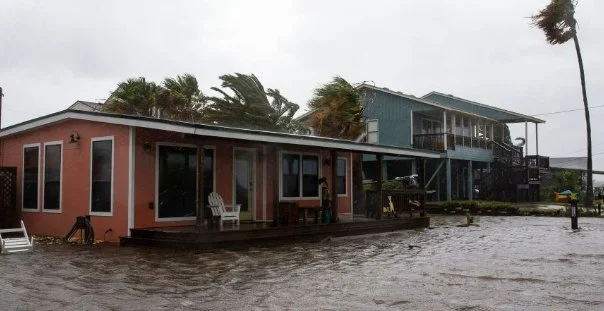
Older homes in Viera have unique charm, often featuring character architectural elements, high ceilings, and mature landscaping. However, these properties are also more susceptible to flooding and water damage due to aging infrastructure, outdated roofing, and drainage issues. In Florida’s humid and storm-prone climate, older homes are particularly vulnerable, making flood restoration a critical consideration for homeowners.
This guide explores warning signs that indicate a flood or water intrusion, explains the restoration process, and provides preventive measures to protect older homes in Viera from future water-related damage.
Why Older Homes Are More Vulnerable to Flooding
Several factors contribute to flood risks in older homes:
- Aging Roofing Systems – Shingles, flashing, and gutters may have deteriorated over time.
- Outdated Plumbing – Old pipes may corrode or crack, leading to leaks during heavy rainfall.
- Poor Drainage – Soil settling, inadequate grading, and blocked storm drains can direct water toward the foundation.
- Structural Wear – Foundations and wooden supports may be weakened by previous moisture exposure.
- Low Elevation – Older neighborhoods may be built at lower elevations, making homes prone to flash flooding during heavy rains.
Understanding these vulnerabilities helps homeowners prioritize inspections and preventive maintenance.
Common Warning Signs of Flooding in Older Homes
Early detection is key to mitigating damage. Homeowners should look for the following:
1. Water Stains and Discoloration
- Yellow or brown patches on ceilings, walls, or floors
- Dark streaks around windows or doors
- Staining around electrical outlets or baseboards
2. Musty Odors
- Persistent musty smells in basements, attics, or crawlspaces indicate moisture accumulation and potential mold growth.
3. Warped or Buckling Flooring
- Hardwood or laminate floors may lift or warp due to water intrusion
- Tiles may loosen, and grout lines may show discoloration
4. Cracks and Gaps
- Foundation cracks can indicate water pressure from pooling around the home
- Separation of molding or door frames may suggest structural stress caused by moisture
5. Mold or Mildew Growth
- Mold can appear on walls, ceilings, insulation, and wooden beams within 24–48 hours of water intrusion
- Even small leaks can create conditions for mold growth, which poses health risks
6. Increased Humidity Levels
- Persistent high indoor humidity may signal hidden water damage, especially in attics and basements
- Use of hygrometers or moisture meters can detect invisible water accumulation
Step-by-Step Flood Restoration Process
Professional flood restoration follows a structured process to protect older homes from long-term damage:
Step 1: Assessment and Inspection
- Evaluate the extent of flooding and water intrusion
- Identify affected areas including walls, floors, ceilings, and insulation
- Determine water source (roof leaks, plumbing, stormwater)
Step 2: Water Removal
- Use industrial-grade pumps and wet vacuums to extract standing water
- Remove water from carpets, hardwood floors, and low-lying areas
- Ensure proper drainage to prevent recurring water accumulation
Step 3: Drying and Dehumidification
- Deploy air movers, fans, and dehumidifiers to remove moisture
- Monitor moisture levels in structural components using moisture meters
- Drying prevents secondary damage, including mold and wood rot
Step 4: Mold Remediation
- Inspect for mold in damp areas such as attics, basements, and behind walls
- Clean surfaces with antimicrobial solutions
- Replace heavily contaminated materials like insulation or drywall if necessary
Step 5: Structural Repairs
- Address damaged wood, flooring, and drywall
- Reinforce compromised beams and supports
- Ensure that roofing and gutters are repaired to prevent future leaks
Step 6: Final Inspection
- Verify that the home is completely dry
- Check that all repairs meet safety and structural standards
- Provide homeowners with a detailed report on restoration and preventive measures
Preventive Measures for Older Homes in Viera
Preventing flood damage is more cost-effective than repairing it. Key measures include:
1. Regular Roof Maintenance
- Inspect shingles, flashing, and gutters annually
- Replace damaged or missing shingles
- Clean gutters to prevent water overflow
2. Foundation and Grading
- Ensure the yard slopes away from the foundation
- Repair cracks and seal foundation walls
- Install French drains or swales if necessary to direct water away
3. Plumbing Inspections
- Replace corroded or outdated pipes
- Check for leaks in water supply lines and drainage systems
- Maintain appliances such as water heaters and dishwashers to prevent overflows
4. Install Flood Prevention Tools
- Sump pumps in basements or crawlspaces
- Backflow valves to prevent sewer backups
- Moisture sensors for early warning in vulnerable areas
5. Improve Attic and Wall Ventilation
- Proper ventilation reduces humidity accumulation
- Install vapor barriers where necessary to prevent condensation
- Consider dehumidifiers in attics or enclosed spaces
6. Landscape Adjustments
- Avoid planting trees too close to the foundation
- Use permeable surfaces to encourage proper drainage
- Maintain vegetation to reduce soil erosion
Special Considerations for Older Homes
- Historic Construction Materials – Some older homes contain plaster walls, old wood, or brick that require careful drying techniques.
- Electrical Safety – Water-damaged electrical wiring must be inspected and replaced if compromised.
- Insurance Requirements – Many insurance policies require documentation of preventative maintenance and flood mitigation efforts.
- Coastal Weather Factors – Proximity to the coast increases exposure to storms, high tides, and hurricane-related flooding.
Costs Associated with Flood Restoration
Flood restoration costs vary depending on the extent of damage:
- Minor water intrusion: $500–$2,000
- Moderate damage affecting floors, walls, and insulation: $2,000–$10,000
- Severe flooding requiring structural repair and mold remediation: $10,000–$30,000+
Investing in preventive measures can significantly reduce potential costs for older homes.
Health Implications of Ignoring Flood Damage
Failing to address water intrusion can lead to:
- Mold growth causing respiratory issues and allergies
- Bacteria proliferation in standing water
- Weakening of structural components, creating safety hazards
- Increased risk of pest infestations
Timely moisture detection and restoration protect both occupants and property.
Key Takeaways
- Older homes in Viera are vulnerable to flooding due to aging infrastructure and coastal conditions.
- Early warning signs such as stains, odors, warped floors, and mold indicate water intrusion.
- Professional flood restoration involves assessment, water removal, drying, mold remediation, and structural repairs.
- Preventive measures include roof and plumbing maintenance, foundation grading, ventilation, and flood mitigation tools.
- Regular inspections and preventive care reduce restoration costs, protect structural integrity, and safeguard occupant health.
Conclusion
Flood restoration in older Viera homes is essential for maintaining structural integrity, indoor air quality, and long-term property value. Florida’s humid, storm-prone climate, combined with the aging materials in older homes, increases the risk of water intrusion, mold growth, and structural damage.