How Moisture Detection Helps Homes in Viera After Roof Leaks
Roof leaks in Viera can lead to serious property damage if left unaddressed, particularly in Florida’s humid climate. Even small leaks can allow moisture to infiltrate ceilings, walls, insulation, and structural components, creating a hidden threat that may go unnoticed until extensive damage occurs. Effective moisture detection is the first step in identifying, assessing, and mitigating water intrusion, helping homeowners protect their investment, preserve indoor air quality, and prevent long-term structural problems.
This guide explores the importance of moisture detection, the tools and techniques used, common issues in Viera homes after roof leaks, and the benefits of timely detection and remediation.
Why Roof Leaks Are Particularly Problematic in Viera Homes
Viera experiences:
- High humidity year-round
- Intense summer storms
- Occasional hurricanes or tropical systems
- Homes with older or flat roofs prone to pooling water
Even minor leaks allow water to penetrate roofing materials and collect in attics or behind walls. This can lead to:
- Wood rot in rafters and trusses
- Saturated insulation that loses thermal efficiency
- Mold growth within 24–48 hours
- Warping or staining of drywall and ceilings
- Decreased property value and increased repair costs
Because water often travels along beams and through insulation before becoming visible, homeowners may not realize a problem exists until secondary damage appears. Moisture detection allows for early identification before visible damage occurs.
What Moisture Detection Is
Moisture detection is the process of measuring and locating water within building materials to identify potential damage caused by leaks, flooding, or high humidity. It involves both non-invasive tools and professional assessment techniques to detect hidden moisture without unnecessary demolition.
Common Signs of Roof Leak Moisture in Homes
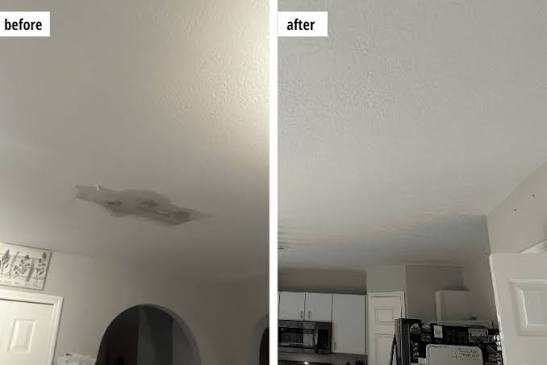
- Discolored patches or water stains on ceilings and walls
- Sagging or blistering drywall
- Musty odors in attics or crawlspaces
- Warped floors near exterior walls
- Visible mold growth on ceilings or insulation
- Damp insulation or vapor barriers in attics
Recognizing these signs early allows homeowners to schedule moisture detection assessments promptly.
Step-by-Step Moisture Detection Process After Roof Leaks
Professional moisture detection follows a structured approach to ensure accurate assessment and effective remediation.
Step 1: Initial Inspection
- Examine the roof for visible damage such as missing shingles, cracks, or degraded flashing
- Check gutters and downspouts for overflow or blockages
- Look for interior signs of water intrusion, including ceiling stains, mold spots, and musty odors
The initial inspection identifies potential areas where moisture may have penetrated.
Step 2: Moisture Meter Testing
Moisture meters are handheld devices that measure water content in materials:
- Pin-type meters insert probes into wood or drywall to measure conductivity
- Pinless meters use electromagnetic sensors for non-invasive readings
Technicians scan walls, ceilings, and floors to detect moisture levels above normal thresholds. These readings help identify hidden leaks.
Step 3: Thermal Imaging
Infrared or thermal cameras are used to:
- Detect temperature variations caused by water presence
- Locate moisture behind walls, under roofing, or in ceilings
- Identify areas at risk of mold growth
Thermal imaging is particularly effective in Florida homes, where leaks may be hidden behind insulation or paint layers.
Step 4: Hygrometer and Humidity Measurements
- Measure relative humidity in attics, crawlspaces, and living areas
- Compare readings to safe indoor levels (ideally 45–55%)
- High humidity indicates areas where trapped water may lead to mold and deterioration
Monitoring humidity is critical in Viera’s climate, where moisture can persist even without direct leaks.
Step 5: Verification and Mapping
- Combine moisture meter, thermal imaging, and visual data
- Map affected areas to document severity and scope
- Identify sources, including roof penetrations, vent leaks, or flashing gaps
Proper mapping ensures that remediation addresses all affected areas, not just visible damage.
Common Roof Leak-Related Issues Detected Through Moisture Assessment
1. Attic Insulation Saturation
Moisture can accumulate in insulation, reducing energy efficiency and fostering mold growth. Moisture meters can pinpoint affected areas for replacement.
2. Wooden Structural Compromise
- Rafters and trusses may absorb water
- Detection helps prevent rot or structural weakening before catastrophic failure
3. Hidden Wall Moisture
- Water may travel along interior walls, pooling in cavities
- Moisture detection avoids the need for extensive demolition by targeting specific areas
4. Mold Risk Zones
- Even minor water intrusion can lead to mold within days
- Detection allows for early remediation before widespread contamination occurs
Benefits of Moisture Detection in Viera Homes
- Early Problem Identification – Locates hidden leaks before visible damage appears.
- Targeted Remediation – Focuses repairs on affected areas, reducing unnecessary demolition.
- Prevention of Mold Growth – Early detection and drying prevent mold colonization.
- Structural Protection – Identifies moisture in wood and drywall before severe deterioration.
- Cost Savings – Reduces repair expenses by addressing issues before they escalate.
- Health Safety – Protects occupants from mold-related allergies and respiratory issues.
Technologies Used in Moisture Detection
- Digital Moisture Meters – Measure water content in wood, drywall, and plaster
- Thermal Cameras – Identify cold spots caused by moisture
- Hygrometers – Monitor relative humidity and moisture levels in air
- Borescopes – Inspect tight or hidden spaces inside walls
- Leak Detection Sensors – Place in attics, crawlspaces, or ceilings for continuous monitoring
Using multiple technologies provides a comprehensive understanding of the moisture problem.
Step-by-Step Remediation After Moisture Detection
Once moisture is identified:
- Immediate Leak Repair – Patch roof leaks, replace damaged shingles, or repair flashing.
- Drying and Dehumidification – Use air movers, dehumidifiers, and fans to remove moisture.
- Insulation Replacement – Replace saturated or moldy insulation.
- Structural Repairs – Address weakened rafters, ceilings, or wall panels.
- Mold Remediation – Treat affected areas with antimicrobial solutions if mold is present.
- HVAC Inspection – Ensure that moisture has not entered ductwork or air handlers.
Preventive Measures for Homeowners
- Regular roof inspections, especially before rainy seasons
- Keep gutters and downspouts clear to prevent water backup
- Maintain attic ventilation to reduce humidity
- Monitor for signs of leaks after storms
- Install moisture sensors or alarms for early detection
Preventive care reduces the likelihood of major damage and lowers repair costs over time.
Health and Safety Considerations
Unaddressed moisture can lead to:
- Mold growth causing allergies and asthma
- Structural weaknesses creating potential safety hazards
- Increased pest infestations (termites, carpenter ants) due to damp wood
Moisture detection mitigates these risks by enabling early interventions.
Financial Advantages
Early moisture detection and remediation can save homeowners thousands by preventing:
- Extensive drywall and ceiling repairs
- Replacement of flooring and insulation
- Mold remediation costs
- HVAC repairs due to moisture damage
Investing in professional detection tools and services is cost-effective in the long term.
Conclusion
Roof leaks in Viera homes pose a significant threat, particularly given the humid summer climate. Moisture often travels unseen through ceilings, walls, and insulation, making early detection essential. Using tools such as moisture meters, thermal cameras, and hygrometers, professionals can locate hidden water, assess damage, and guide effective remediation.
Moisture detection not only prevents structural deterioration and mold growth but also protects occupant health, ensures energy efficiency, and reduces long-term repair costs. For homeowners in Viera, investing in timely moisture detection after roof leaks is one of the most effective strategies to safeguard property value and maintain a safe, comfortable living environment.