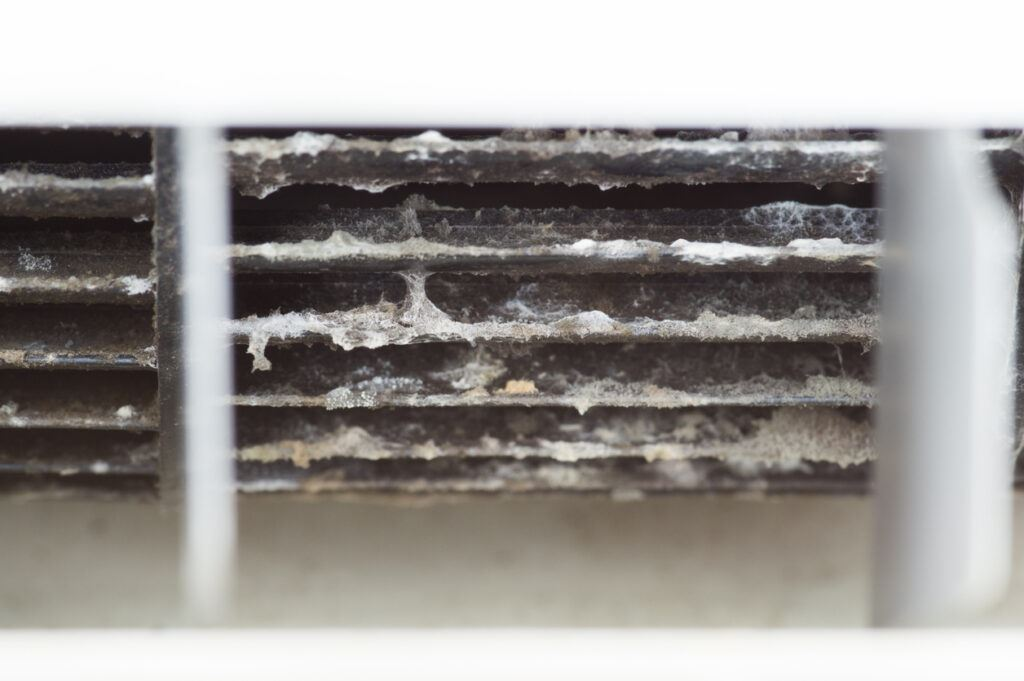
AC Mold Cleaning in Titusville in Rental Properties: Costs, Causes, and Solutions
Air conditioning systems are a lifeline for homes in Titusville, especially in rental properties where tenants rely on efficient cooling during hot and humid months. However, AC units can also become breeding grounds for mold if moisture and contaminants are not properly managed. Mold in HVAC systems not only reduces efficiency but also poses serious health risks, including respiratory issues, allergies, and poor indoor air quality.
For property owners and managers, understanding the causes, costs, and professional solutions for AC mold cleaning is essential. This guide provides a detailed overview to help ensure rental properties remain safe, comfortable, and compliant with health standards.
Why AC Mold Becomes a Problem in Rental Properties
AC mold growth is more common in rental properties due to a combination of environmental and human factors:
- High Humidity: Titusville’s climate features high year-round humidity, creating an environment where mold thrives inside AC units.
- Inconsistent HVAC Usage: Tenants may set thermostats at varying levels or turn units off for long periods, allowing moisture to accumulate.
- Poor Maintenance: Rental property HVAC systems are sometimes neglected between tenants, allowing dust and moisture to accumulate.
- Condensation Issues: Air conditioning units naturally produce condensation, which can build up if drains are clogged or coils are dirty.
- Tenant Habits: Cooking, showering, and indoor smoking can increase indoor moisture, contributing to mold growth in the AC system.
Left untreated, mold spores can circulate throughout the property, affecting multiple rooms and tenants.
Signs of AC Mold in Rental Properties
Property managers should look for the following indicators:
- Musty or moldy odors coming from vents
- Visible black or green growth inside registers or ductwork
- Increased respiratory complaints from tenants
- Dust accumulation in unusual patterns around vents
- AC system performance issues, such as reduced airflow
Early detection is critical to prevent widespread contamination and health issues.
Common Causes of AC Mold in Titusville Rentals
1. Poor Drainage and Condensate Lines
Clogged condensate lines prevent proper water removal, causing moisture to pool inside the unit.
2. Dirty Coils
Evaporator and condenser coils accumulate dust and dirt, providing surfaces where mold can attach.
3. High Indoor Humidity
Without dehumidifiers or properly balanced ventilation, humidity levels in the property can exceed 55%, accelerating mold growth.
4. Leaks in Ductwork
Leaky ducts allow humid outdoor air to mix with cooler indoor air, creating condensation inside ducts.
5. Infrequent Filter Replacement
Neglecting regular filter changes allows dust and moisture to build up, feeding mold colonies.
Step-by-Step AC Mold Cleaning Process
Professional AC mold cleaning follows a structured approach:
Step 1: Inspection and Assessment
- Evaluate HVAC system for mold presence
- Identify moisture sources and air quality risks
- Determine the extent of contamination in ducts, coils, and condensate pans
Step 2: Disassembly (if needed)
- Remove duct sections or registers for cleaning
- Access evaporator and condenser coils
- Open air handler units
This ensures hidden mold is addressed and not just surface contamination.
Step 3: Cleaning and Removal
- HEPA vacuums remove loose dust and mold spores
- Rotary brushes clean duct interiors and coil surfaces
- Surfaces are wiped and disinfected with antimicrobial solutions
Step 4: Antimicrobial Treatment
- Application of mold inhibitors on ducts and coils
- Spraying or fogging treatment inside ductwork to prevent regrowth
Step 5: System Reassembly and Testing
- Reassemble HVAC components
- Test airflow and temperature
- Monitor for any residual odors or moisture
Costs of AC Mold Cleaning in Rental Properties
The cost varies based on several factors:
- Size of the HVAC system: Larger systems require more labor and cleaning materials.
- Extent of mold contamination: Minor surface mold is less expensive, whereas widespread colonization in ducts and coils costs more.
- Access and complexity: Duct systems in older rental properties may be more challenging to clean.
- Preventive measures: Optional treatments, such as antimicrobial sprays, can increase costs.
Typical cost range in Titusville rental properties:
- Small HVAC system cleaning: $300–$500
- Medium system: $500–$800
- Large or heavily contaminated system: $800–$1,500+
Investing in professional cleaning is far more cost-effective than dealing with widespread mold remediation or tenant health issues later.
Health Implications of AC Mold
Mold spores circulating through HVAC systems can cause:
- Respiratory irritation
- Allergies and asthma exacerbations
- Headaches and sinus problems
- Eye or skin irritation
- Worsening of chronic respiratory conditions
For rental properties, tenant complaints and potential liability make AC mold prevention critical.
Preventive Strategies for Property Owners
1. Regular Maintenance
- Schedule annual HVAC inspections
- Replace filters every 1–3 months
- Clean coils and condensate pans as needed
2. Humidity Control
- Maintain indoor humidity below 55%
- Use whole-home dehumidifiers in humid areas
3. Proper Ventilation
- Ensure adequate airflow through vents and ductwork
- Seal duct leaks to prevent moisture intrusion
4. Tenant Education
- Encourage tenants to use AC systems properly
- Promote regular filter changes if tenants are responsible
Challenges Specific to Titusville Rentals
- Coastal humidity accelerates mold growth
- Older rental properties may have outdated or poorly maintained HVAC systems
- Multiple tenants increase variations in usage, leading to inconsistent moisture levels
- Coordinating cleaning without disrupting tenants can be difficult
Professionals familiar with local environmental conditions can tailor solutions to these challenges.
Long-Term Benefits of AC Mold Cleaning
- Improved indoor air quality ensures tenant health and comfort
- Extended HVAC lifespan reduces repair and replacement costs
- Energy efficiency improves when ducts and coils are clean
- Tenant satisfaction reduces turnover and vacancy rates
- Compliance with health standards protects property owners from liability
DIY vs. Professional Cleaning
While DIY cleaning might remove surface mold, it cannot address hidden contamination in ducts or coils. Professionals bring:
- Specialized equipment (HEPA vacuums, antimicrobial sprays, inspection cameras)
- Knowledge of proper disinfection methods
- Ability to assess HVAC efficiency and prevent recurrence
For rental properties, professional cleaning is the safest and most reliable approach.
Key Takeaways for Titusville Property Owners
- High humidity and coastal conditions make AC mold a common problem.
- Early detection and professional cleaning prevent health risks and structural damage.
- Costs vary, but preventive cleaning is more affordable than remediation.
- Tenant education and proper system maintenance reduce recurrence.
- Documentation from professional cleaning helps with property management and liability protection.
Conclusion
AC mold in Titusville rental properties is more than a minor inconvenience—it affects tenant health, system efficiency, and property value. High humidity, poor ventilation, clogged condensate lines, and inconsistent maintenance all contribute to the problem.
Professional AC mold cleaning offers a step-by-step solution, from inspection and assessment to deep cleaning, antimicrobial treatment, and system testing. While costs vary depending on system size and contamination level, the investment ensures long-term health, safety, and HVAC performance.