Cocoa Beach Air Duct Cleaning in Rental Properties: A Local Homeowner Guide
Maintaining clean air ducts is often overlooked by property owners, especially in rental properties in Cocoa Beach. Yet, with high humidity, ocean breezes, and frequent seasonal storms, dust, debris, and mold can accumulate in HVAC systems faster than many landlords anticipate. Clean air ducts not only improve indoor air quality but also extend the life of HVAC systems and create healthier environments for tenants.
This guide explains why air duct cleaning is essential in rental properties, the step-by-step process used by professionals, the common challenges Cocoa Beach property owners face, and long-term strategies to maintain a healthy HVAC system.
Why Air Duct Cleaning Matters in Cocoa Beach
Cocoa Beach homes and rental properties are particularly prone to air duct contamination due to:
- High humidity levels: Moisture in the air accelerates mold growth inside ducts.
- Salt-laden coastal air: Salt particles can corrode metal components in HVAC systems.
- Sand and dust: Beachfront properties often have sand particles entering ventilation systems.
- Aging HVAC systems: Older systems accumulate dust and debris faster, reducing efficiency.
Dirty ducts can reduce indoor air quality, increase energy bills, and trigger respiratory issues for tenants, making regular cleaning a critical maintenance task.
Common Issues in Rental Properties
Rental properties face unique challenges that make duct cleaning even more important:
- Multiple tenants may have different habits, introducing varying levels of dust and allergens.
- Tenants may smoke indoors, which deposits residues inside the HVAC system.
- Rentals often have high occupancy rates, increasing HVAC usage and dust circulation.
- Property managers may not inspect systems regularly, allowing contaminants to accumulate unnoticed.
Addressing these issues proactively ensures tenant satisfaction and protects the property’s value.
Signs Air Duct Cleaning Is Needed
Property owners should look for:
- Dust buildup on vents and registers
- Musty odors when the HVAC system runs
- Visible mold growth inside vents
- Reduced airflow or uneven heating/cooling
- Increased allergy complaints from tenants
These signs indicate that contaminants have accumulated in the ducts and cleaning is necessary.
Step-by-Step Air Duct Cleaning Process
Professional air duct cleaning follows a structured process designed to remove dust, debris, and contaminants efficiently.
Step 1: Inspection
Before cleaning, professionals inspect the HVAC system to:
- Assess the extent of contamination
- Identify mold or mildew
- Determine any damaged components
- Locate hard-to-reach areas
Tools such as cameras and airflow meters are used to evaluate the system’s condition.
Step 2: Preparation
Technicians prepare the area to protect floors, walls, and tenant belongings. This may include:
- Covering floors and vents
- Removing vent covers for cleaning
- Isolating the HVAC system to prevent dust spread
Preparation ensures a safe and controlled cleaning process.
Step 3: System Disassembly
Some parts of the HVAC system are disassembled to allow deeper cleaning, including:
- Air handlers
- Duct segments with heavy buildup
- Registers and grills
This step is essential to remove debris that accumulates in corners and bends.
Step 4: Air Duct Cleaning
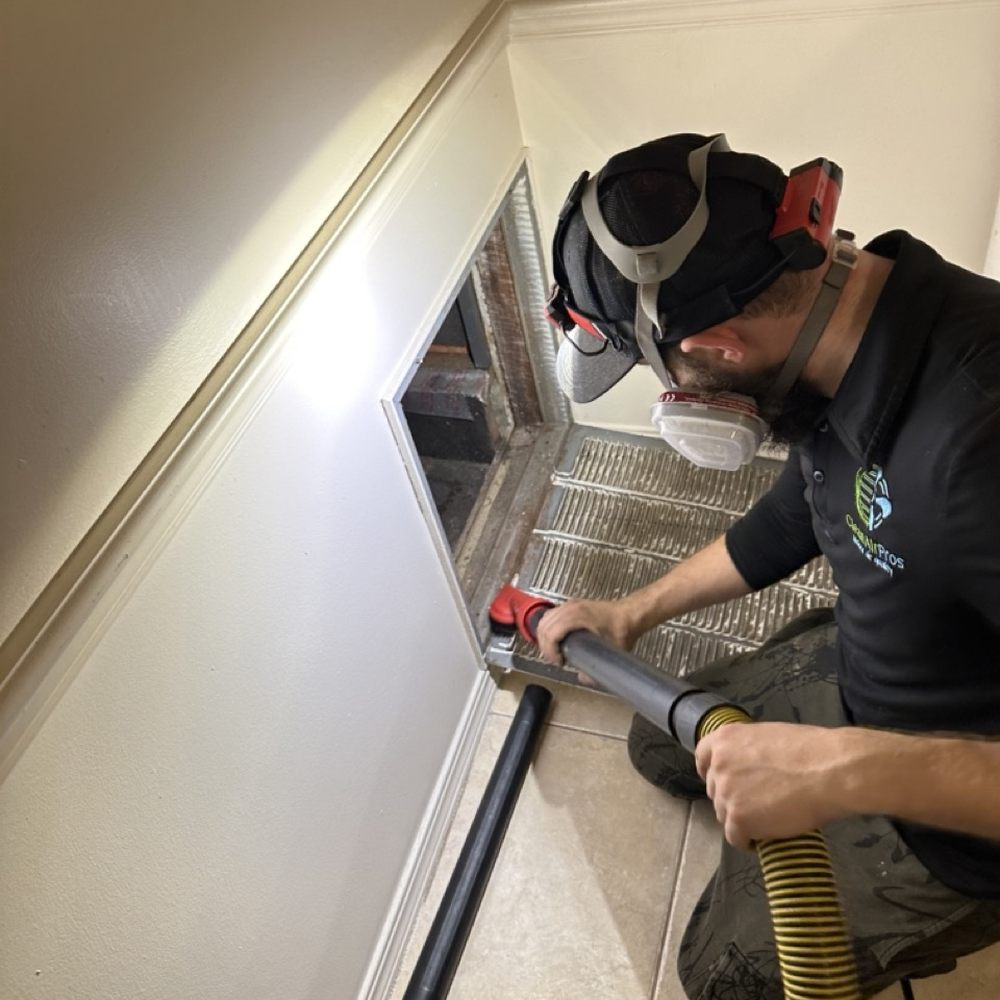
High-powered vacuum systems and rotary brushes are used to:
- Remove dust, dirt, and debris
- Dislodge mold spores and allergens
- Clean vent surfaces thoroughly
Special attention is given to areas prone to moisture accumulation, such as near condensate lines and air handlers.
Step 5: Antimicrobial Treatment (Optional)
In humid coastal environments, antimicrobial treatments are often applied to:
- Prevent mold regrowth
- Reduce bacteria and mildew in the system
- Improve indoor air quality
This is particularly important in rental properties where HVAC maintenance may be infrequent.
Step 6: Reassembly and Testing
After cleaning, the system is reassembled and tested for:
- Airflow efficiency
- Temperature consistency
- Noise levels
- Proper operation
Testing ensures that the HVAC system functions correctly and delivers clean, healthy air to tenants.
Step 7: Documentation for Property Owners
Professional companies provide a report detailing:
- Areas cleaned
- Contaminants removed
- Any repairs needed
- Recommendations for future maintenance
Documentation is valuable for property management records and tenant transparency.
Challenges of Air Duct Cleaning in Coastal Rental Properties
1. High Humidity
Humidity can encourage mold growth between cleanings. Technicians often recommend controlling humidity with dehumidifiers or HVAC settings.
2. Limited Access
Older rental properties may have HVAC systems with tight ducts or hard-to-reach components, requiring specialized tools.
3. Tenant Scheduling
Coordinating cleaning without disrupting tenants can be challenging, requiring flexible scheduling and clear communication.
4. Salt and Sand Accumulation
Coastal air deposits salt and sand inside ducts, which may require more frequent cleanings than inland properties.
Health Benefits for Tenants
Regular air duct cleaning improves:
- Indoor air quality by reducing allergens, dust, and spores
- Respiratory health for tenants
- Comfort by improving HVAC efficiency and airflow
Healthy tenants are more likely to stay longer, reducing turnover in rental properties.
Financial Benefits for Property Owners
- Lower HVAC repair costs: Clean ducts reduce strain on the system.
- Energy efficiency: Less dust allows airflow to operate efficiently, reducing energy bills.
- Property value maintenance: Well-maintained HVAC systems enhance long-term property value.
- Fewer liability risks: Reduces complaints about poor air quality or mold exposure.
Preventive Measures Between Cleanings
- Change HVAC filters every 1–3 months
- Schedule inspections annually
- Control indoor humidity levels
- Keep vents clear of obstruction
- Educate tenants about smoke, cooking odors, and other potential contaminants
Preventive care extends the time between professional cleanings and reduces system wear.
Best Practices for Rental Property Management
- Include air duct cleaning in property maintenance schedules
- Coordinate cleaning with tenant move-ins or seasonal turnover
- Use certified and experienced professionals familiar with coastal properties
- Maintain documentation for inspections and cleaning
- Educate tenants on proper HVAC usage and filter replacement
Following these practices ensures the longevity of the HVAC system and healthy living conditions for renters.
Why Local Expertise Matters in Cocoa Beach
Coastal rental properties face unique environmental conditions:
- Salt air corrosion
- High humidity promoting mold growth
- Sandy debris infiltration
Local HVAC and air duct cleaning professionals understand these challenges and tailor their services accordingly, ensuring thorough and effective maintenance.
Conclusion
Air duct cleaning is an essential aspect of maintaining rental properties in Cocoa Beach. The coastal climate, high humidity, and constant exposure to salt and sand make rental HVAC systems vulnerable to contamination, mold, and airflow problems.
By following a professional, step-by-step air duct cleaning process, property owners can:
- Protect tenant health
- Improve indoor air quality
- Enhance HVAC efficiency
- Extend the lifespan of equipment
- Prevent long-term structural and air quality issues
For rental properties, regular air duct cleaning is not just a maintenance task—it is a critical investment in tenant satisfaction, property value, and overall health. Proper scheduling, preventive measures, and professional expertise ensure that both homeowners and tenants enjoy clean, safe, and comfortable living spaces year-round.