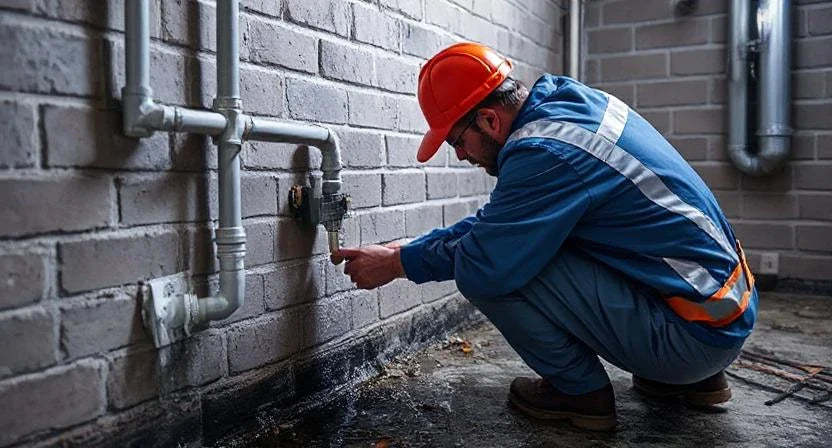
Moisture Detection in Palm Bay After Flooding: Early Signs You Should Not Ignore
Flooding is a frequent concern for homeowners and business owners in Palm Bay due to heavy rains, storms, and occasional hurricane activity. While most attention is focused on visible water removal immediately after a flood, the hidden moisture that remains in walls, floors, ceilings, and HVAC systems can cause far greater damage over time. Unseen water can lead to structural deterioration, mold growth, reduced indoor air quality, and serious health hazards for residents.
Moisture detection is therefore an essential step following any flooding event. Early identification of damp areas allows homeowners to take corrective action before permanent damage occurs. This guide provides a detailed look at the causes of hidden moisture, early warning signs, professional detection methods, remediation strategies, and preventive measures to protect your property in Palm Bay.
The Hidden Risks of Flooding
Even after visible water is removed, residual moisture can remain trapped inside homes, creating multiple problems:
- Structural Damage: Water can weaken wood framing, subfloors, drywall, and ceilings, leading to warping, rotting, or potential collapse.
- Mold Growth: Mold thrives in damp environments and can start developing within 24–48 hours of water exposure.
- Electrical Hazards: Moisture in electrical outlets, wiring, or appliances increases the risk of short circuits, shocks, or fires.
- HVAC System Contamination: Ducts, air handlers, and evaporator coils can retain water, allowing mold spores and bacteria to circulate through the home.
- Health Risks: Mold spores, bacteria, and other contaminants in damp areas can trigger allergies, respiratory problems, and other health issues.
Since moisture can remain hidden behind walls, under floors, and within insulation, early detection is vital to prevent long-term damage.
Common Sources of Hidden Moisture
After flooding, water can linger in several areas that may not be immediately visible:
- Crawl Spaces and Basements
These low-lying areas often collect water and have limited ventilation, allowing moisture to persist. - Walls and Insulation
Water can seep into wall cavities, drywall, and insulation, which are difficult to dry without specialized equipment. - Flooring
Carpet, laminate, hardwood, and vinyl flooring can trap moisture underneath, affecting subfloors and creating mold-friendly environments. - HVAC Systems
AC units, ductwork, evaporator coils, and drain pans can retain water, spreading spores and allergens throughout the home. - Attics and Roof Structures
Storm damage may allow water to enter attics, soaking insulation, rafters, and ceilings. - Plumbing and Utility Lines
Floods can stress plumbing systems, causing leaks that introduce additional moisture into walls and floors.
Early Warning Signs of Hidden Moisture
Recognizing early indicators of trapped water can help homeowners take timely action:
- Musty Odors: A persistent earthy or damp smell often signals mold or water trapped behind walls or floors.
- Water Stains or Discoloration: Bubbling paint, peeling wallpaper, or dark spots on walls and ceilings suggest moisture intrusion.
- Warped or Soft Flooring: Buckled, cupped, or spongy floors indicate water underneath.
- Condensation: Excess water droplets on windows, pipes, or ducts reveal high indoor humidity.
- Visible Mold or Mildew: Black, green, or white spots around vents, baseboards, or cabinets can indicate a larger hidden problem.
- Respiratory Symptoms: Sneezing, coughing, or increased asthma attacks indoors can result from mold spores circulating through the air.
- Structural Changes: Creaking floors, sagging ceilings, or sticking doors may indicate water-damaged wood framing or subflooring.
Early detection allows remediation before mold spreads and structural damage worsens.
Professional Moisture Detection Techniques
Hidden moisture often requires professional tools to detect effectively:
- Moisture Meters: Measure water content in wood, drywall, and flooring for precise detection.
- Thermal Imaging Cameras: Detect temperature variations caused by moisture behind walls, ceilings, or floors.
- Hygrometers: Measure relative indoor humidity to identify high-moisture areas.
- Infrared Scanners: Reveal damp spots in insulation and wall cavities.
- Probe Testing: Confirms water presence in subfloors, walls, or crawl spaces.
Professionals use a combination of these methods to map moisture throughout the property and ensure thorough remediation.
Step-by-Step Moisture Detection and Remediation
Professional moisture detection and remediation typically follows these steps:
- Initial Inspection
Technicians visually inspect the property, focusing on basements, crawl spaces, attics, walls, floors, and ceilings for signs of water or mold. - Moisture Mapping
Moisture meters, thermal cameras, and hygrometers are used to locate hidden water pockets and identify areas at risk. - Containment
If mold is present, containment measures prevent spores from spreading during cleaning. Plastic sheeting and negative air machines are commonly used. - Drying
High-capacity air movers and industrial dehumidifiers remove moisture from walls, floors, ceilings, and structural cavities. - Mold Remediation
If mold is detected, contaminated materials are cleaned, treated with antimicrobial solutions, or removed entirely. HVAC systems may also be sanitized. - Structural Repairs
Damaged drywall, flooring, subflooring, and wood are repaired or replaced to restore integrity. - Post-Remediation Verification
Final inspections confirm all moisture has been removed, mold eliminated, and the home is safe for occupancy.
Costs of Moisture Detection and Remediation
Costs vary depending on property size, severity of flooding, and the extent of remediation needed:
- Basic Moisture Inspection: $200–$500
- Advanced Inspection with Thermal Imaging: $400–$800
- Full Moisture Remediation and Drying: $1,000–$5,000+
Investing in professional services early prevents structural deterioration, reduces mold risk, and avoids higher expenses later.
Health and Safety Benefits
Timely moisture detection offers several benefits:
- Reduces exposure to mold spores and allergens
- Prevents respiratory issues and asthma flare-ups
- Eliminates musty odors and improves indoor air quality
- Ensures electrical and structural safety in water-affected areas
Prompt action protects both property and the well-being of occupants.
Preventive Measures for Homeowners
Property owners can minimize future risks by:
- Post-Flood Inspection: Schedule professional checks immediately after flooding.
- Improve Drainage: Maintain gutters, downspouts, and grading to direct water away from the foundation.
- Seal Leaks: Repair roofs, windows, doors, and foundation cracks.
- Maintain HVAC Systems: Regularly inspect and clean AC units, ducts, and condensation lines.
- Use Dehumidifiers: Keep indoor humidity below 60% to prevent mold growth.
- Routine Moisture Monitoring: Periodic checks help detect hidden water early.
Conclusion
Flooding in Palm Bay often leaves hidden moisture that threatens structural integrity, indoor air quality, and occupant health. Recognizing early warning signs, understanding potential moisture sources, and engaging professional moisture detection services are crucial steps for property protection. Using advanced tools and structured remediation processes ensures that homes and businesses are safe, dry, and habitable.
Timely intervention not only preserves property value but also safeguards the health of everyone inside.