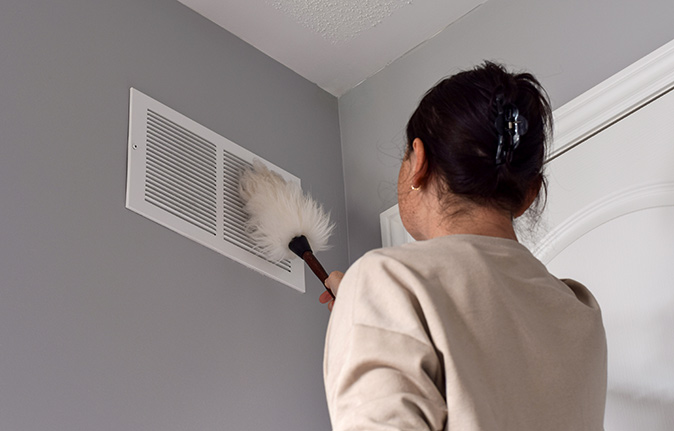
Air Duct Cleaning in Titusville After Storm Damage: Complete Guide for Homeowners
Homes in Titusville are particularly vulnerable to storm damage during the rainy season and hurricane periods. Storms can cause water intrusion, high humidity, and debris to enter homes, often affecting HVAC systems. One of the most overlooked consequences is contamination of air ducts, which can lead to poor indoor air quality, mold growth, and respiratory health issues.
Air duct cleaning after storm damage is not simply a matter of removing dust. Professional services focus on eliminating debris, mold, and other contaminants, ensuring the HVAC system distributes clean air throughout the home. This guide provides homeowners with an in-depth understanding of the importance, process, costs, and benefits of air duct cleaning in Titusville after storm damage.
Why Storms Affect Air Ducts
Storms can impact HVAC systems in multiple ways:
- Water Intrusion – Roof leaks, window leaks, and flooding can allow water to enter ductwork, saturating insulation or duct linings.
- High Humidity – Coastal storms increase indoor humidity, promoting condensation inside ducts.
- Debris and Contaminants – Wind-driven dust, leaves, and small particles can enter homes and settle in ductwork.
- HVAC System Malfunction – Power outages or storm-related damage may leave water standing in drain pans, leading to mold growth inside the system.
Even if visible water is cleaned from the home, hidden moisture in ducts can create ideal conditions for mold and bacteria.
Common Warning Signs of Contaminated Air Ducts
Homeowners should be aware of early warning signs that ducts may require cleaning:
1. Musty or Moldy Odors
A persistent earthy or musty smell indicates possible mold growth inside ducts.
2. Visible Mold Around Vents
Dark spots on vent covers or inside duct openings suggest contamination.
3. Increased Allergies or Respiratory Issues
Sneezing, coughing, or asthma flare-ups may indicate airborne mold or dust particles circulated by the HVAC system.
4. Uneven Cooling or Heating
Debris and mold buildup can restrict airflow, causing some areas of the home to feel warmer or cooler than others.
5. Excessive Dust
Dust accumulation on surfaces shortly after cleaning may indicate ducts are circulating trapped debris.
Health Risks of Contaminated Ducts
Neglecting air duct cleaning after storm damage can result in several health hazards:
- Allergic Reactions – Mold spores, dust, and pollen circulated by ducts can trigger sneezing, itching, and watery eyes.
- Respiratory Issues – Prolonged exposure to mold spores can aggravate asthma or cause new respiratory problems.
- Musty Odors – Lingering odors reduce indoor comfort and may indicate ongoing mold growth.
- Bacterial Growth – Standing water or high humidity in ducts can promote bacterial contamination, posing additional health risks.
Professional Air Duct Cleaning Process
Professional duct cleaning after storm damage ensures thorough removal of moisture, mold, and debris:
1. Inspection
Technicians examine the entire HVAC system, including ductwork, air handlers, and vents, to identify water damage, mold, and debris. Tools like cameras and moisture meters help detect hidden contamination.
2. Containment
Containment measures prevent debris or spores from spreading into the living areas during cleaning. Plastic sheeting and negative air machines are commonly used.
3. Debris Removal
High-powered vacuums, brushes, and agitation tools remove dust, dirt, and debris from duct surfaces.
4. Mold Remediation
If mold is detected, antimicrobial treatments are applied to kill colonies and prevent regrowth. Damaged duct insulation may need replacement.
5. System Drying
After cleaning, ducts and components are dried completely to eliminate residual moisture that could promote future mold growth.
6. Verification
A post-cleaning inspection ensures all contaminants are removed and that airflow is unobstructed.
Costs of Air Duct Cleaning in Titusville
Air duct cleaning costs depend on the size of the home, extent of contamination, and complexity of the HVAC system:
- Small residential systems (1–2 floors): $400–$800
- Medium-sized homes (2–3 floors, moderate contamination): $800–$1,500
- Large homes or severe storm damage: $1,500–$3,500+
While cleaning can be a significant investment, it prevents long-term health issues, structural damage, and higher remediation costs in the future.
Benefits of Air Duct Cleaning
Professional cleaning provides multiple advantages:
- Improved Indoor Air Quality – Removal of dust, debris, and mold spores ensures healthier air.
- Enhanced HVAC Efficiency – Clean ducts reduce airflow restrictions, lowering energy costs.
- Prevention of Mold Spread – Treating contaminated areas stops mold from colonizing other parts of the home.
- Odor Elimination – Musty smells from damp ducts are removed.
- Long-Term Protection – Reduces the risk of future HVAC damage and costly repairs.
Preventative Measures for Homeowners
Property owners can reduce the likelihood of air duct contamination after storms with the following steps:
- Routine HVAC Maintenance
Schedule inspections and professional cleaning at least once a year, ideally before the rainy season. - Seal Ductwork
Ensure all ducts are properly sealed to prevent water or debris entry during storms. - Monitor Condensation
Check drain pans and condensation lines regularly for standing water or blockages. - Install Humidity Controls
Dehumidifiers or smart AC systems can maintain indoor humidity below 60%, reducing mold risk. - Post-Storm Inspection
After heavy rain or flooding, have a professional inspect HVAC systems for hidden moisture or damage.
Choosing a Professional Service
Selecting the right company is critical for effective air duct cleaning:
- Look for certification in HVAC cleaning and mold remediation.
- Choose technicians experienced in storm-damaged homes.
- Ensure the company provides post-cleaning verification and guarantees.
- Request clear cost estimates before service begins.
Long-Term Considerations
Regular air duct cleaning and maintenance offer long-term benefits:
- Protects indoor air quality throughout the year.
- Extends the lifespan of HVAC equipment.
- Prevents recurring mold and moisture problems.
- Enhances comfort and safety for family members or employees.
Final Thoughts
Storm damage in Titusville can compromise air quality and HVAC performance if duct systems are contaminated. Professional air duct cleaning removes mold, debris, and moisture, protecting both health and property. Recognizing early warning signs, investing in expert cleaning, and implementing preventative measures ensures long-term indoor air quality and system efficiency.
Property owners who act promptly after storm damage prevent costly repairs, maintain comfort, and safeguard the health of occupants throughout Florida’s wettest months.