Mold Removal Services in Palm Bay from AC Condensation: Professional Tips for Property Owners
Homes and commercial properties in Palm Bay are particularly vulnerable to mold growth due to high humidity, frequent storms, and AC condensation. Air conditioning systems, while essential for comfort during hot and humid months, can inadvertently create the perfect environment for mold if not properly maintained. Condensation forming on evaporator coils, within ductwork, or in drain pans can lead to hidden moisture pockets that encourage mold development.
Mold caused by AC condensation can impact indoor air quality, damage building materials, and pose health risks to occupants. For property owners, understanding the causes, recognizing early warning signs, and hiring professional mold removal services is critical to protect their investment. This comprehensive guide provides practical insights, costs, solutions, and preventative tips for property owners in Palm Bay.
Understanding Mold Growth from AC Condensation
Mold is a fungus that thrives in damp, dark environments. Air conditioning systems, while designed to remove humidity from indoor air, can unintentionally trap moisture, especially if the system is poorly maintained. Common areas where condensation can lead to mold growth include:
- Evaporator coils
- Drain pans
- Ductwork
- Filters and plenums
During Palm Bay’s humid rainy season, AC systems may struggle to remove excess moisture effectively, especially in older or improperly sized units. Stagnant water in any component of the HVAC system creates a hospitable environment for mold spores to grow and spread throughout the home.
Causes of Mold in AC Systems
Several factors contribute to mold development from AC condensation:
1. High Humidity
Palm Bay experiences high relative humidity, especially during summer and rainy months. Excess humidity increases condensation in air conditioning systems.
2. Clogged Drain Lines
Drain lines that are blocked or partially clogged can cause water to accumulate in drain pans or ducts, leading to mold growth.
3. Dirty Filters and Coils
Dust and debris trap moisture, creating breeding grounds for mold.
4. Improper System Sizing
AC units that are too large or too small for the space may not effectively remove humidity, leaving moisture behind.
5. Lack of Maintenance
Neglected HVAC systems with infrequent inspections and cleaning allow water accumulation and mold colonization.
Early Warning Signs of AC Mold
Detecting mold early is critical for prevention and health. Common warning signs include:
- Musty or earthy odors coming from vents
- Visible black, green, or white spots near air registers or duct openings
- Condensation or dripping on AC units or ductwork
- Increased allergy symptoms indoors such as sneezing, coughing, or itchy eyes
- Reduced airflow or cooling efficiency due to blocked or contaminated ducts
Recognizing these signs allows homeowners to take action before mold spreads or causes more serious damage.
Risks of Ignoring AC Mold
Neglecting mold in AC systems can have serious consequences:
- Health Hazards: Mold spores can cause respiratory issues, aggravate asthma, and trigger allergic reactions.
- Structural Damage: Mold can spread from HVAC components to drywall, insulation, and wooden structures.
- Reduced Indoor Air Quality: Circulated spores contaminate air throughout the home or office.
- Increased Energy Costs: Blocked airflow from mold accumulation makes the system work harder, increasing energy consumption.
- Higher Remediation Costs: Early intervention is significantly less expensive than addressing widespread mold or structural damage.
Professional Mold Removal Process
Professional mold removal services follow a structured approach to eliminate mold and prevent recurrence:
1. Comprehensive Inspection
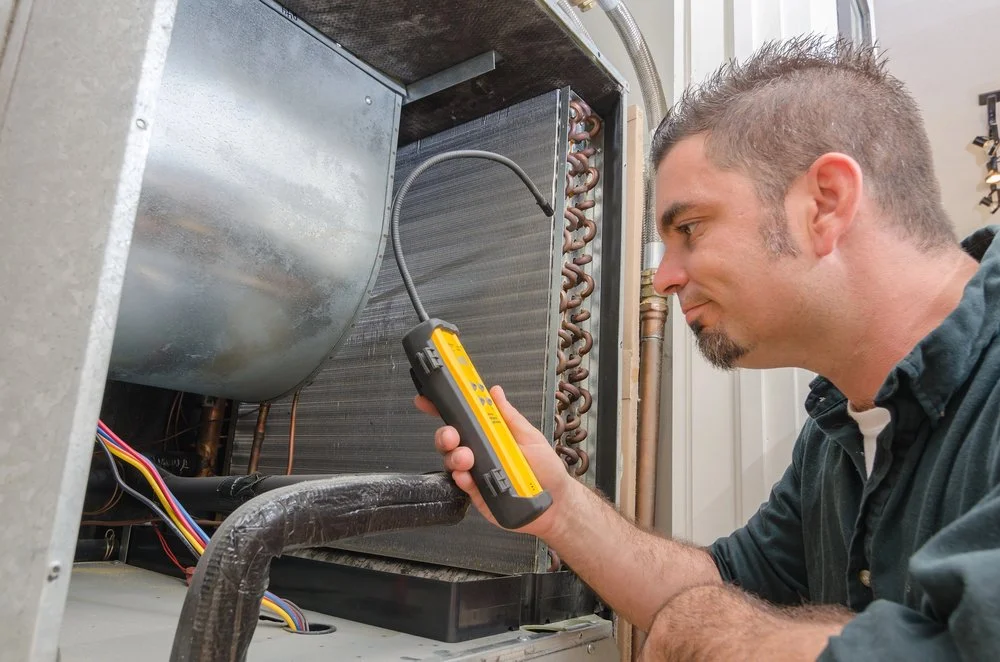
Technicians perform a detailed evaluation of the AC system and surrounding areas to identify visible and hidden mold, moisture accumulation, and potential leaks.
2. Moisture Detection
Advanced tools such as moisture meters and thermal imaging cameras locate damp areas behind walls, in ducts, and near HVAC components.
3. Air Duct and Coil Cleaning
- Ducts are cleaned using specialized brushes and vacuum systems.
- Evaporator coils and drain pans are sanitized with antimicrobial solutions.
- Filters and plenums are cleaned or replaced to ensure proper airflow.
4. Containment
Containment procedures prevent mold spores from spreading during cleaning. Plastic sheeting and negative air machines are often used in professional settings.
5. Drying
After cleaning, the HVAC system is thoroughly dried using air movers, dehumidifiers, and optimized airflow to remove residual moisture.
6. Post-Cleaning Inspection
A final assessment ensures mold has been eliminated, and the system is safe for continued operation.
Costs of AC Mold Cleaning
The cost of professional AC mold cleaning depends on factors such as system size, extent of contamination, and whether ductwork requires cleaning. Typical ranges include:
- Small residential systems: $300–$600
- Medium-sized homes or light commercial units: $600–$1,200
- Large commercial or heavily contaminated systems: $1,500–$3,500+
While costs may seem high, professional cleaning ensures thorough removal and reduces long-term health risks and structural damage.
Preventative Tips for Property Owners
Preventing AC mold in Palm Bay requires a combination of maintenance and proactive moisture management:
1. Regular HVAC Maintenance
Schedule inspections, filter changes, and coil cleaning at least twice a year, ideally before the rainy season.
2. Monitor Condensate Lines
Ensure drain lines are clear and free of blockages. Consider installing a backup drain line or float switch to prevent overflow.
3. Control Indoor Humidity
Maintain indoor humidity below 60% using air conditioning or supplemental dehumidifiers.
4. Address Storm Damage Immediately
Repair leaks, roof damage, or window seal issues promptly to prevent water intrusion into HVAC systems.
5. Inspect Ductwork
Regularly check ducts for moisture, dust accumulation, or visible mold growth.
6. Upgrade to Mold-Resistant Materials
Where possible, use mold-resistant insulation, duct materials, and coatings to minimize risk.
Health and Comfort Benefits
Professional mold removal enhances both comfort and health:
- Reduces respiratory irritants and allergens
- Eliminates musty odors
- Ensures clean airflow throughout the building
- Protects vulnerable occupants, including children, elderly residents, or employees with respiratory conditions
AC mold cleaning also improves system efficiency, lowering energy bills and extending the life of HVAC equipment.
Learning from Other Storm-Related Remediation
In previous guides about emergency water removal and flood restoration in Viera and Palm Bay, we emphasized that rapid response to moisture intrusion is critical. AC mold cleaning follows the same principle: addressing moisture before mold spreads saves money, reduces health risks, and prevents long-term damage.
Final Thoughts
AC mold caused by condensation is a common but preventable problem in Palm Bay, especially after storms. Understanding the causes, recognizing early warning signs, and hiring professional mold removal services ensures that HVAC systems remain clean, efficient, and safe.
Property owners can further protect their investments by implementing preventive measures such as regular maintenance, humidity control, and moisture monitoring. A proactive approach not only maintains indoor air quality but also preserves structural integrity and long-term comfort for all occupants.