Palm Bay Moisture Detection After Storm Damage: Costs, Causes, and Solutions
Storm damage in Palm Bay can leave behind more than just visible destruction. Heavy rains, high winds, and flooding often allow water to enter hidden areas of homes—behind walls, under flooring, inside attics and crawl spaces, and within HVAC systems. Moisture that goes undetected after a storm can lead to mold growth, structural weakening, and long-term indoor air quality problems if it is not properly found and addressed.
This guide provides Palm Bay homeowners with a detailed look at moisture detection after storm damage, including common causes, warning signs, professional detection methods, cost expectations, and proactive solutions to protect your home.
Why Storm Damage Makes Moisture Detection Essential
Storms can impact homes in ways that are not immediately obvious:
- Hidden water intrusion: Rainwater can seep through small cracks in roofing, siding, or window seals and become trapped within wall cavities or under flooring.
- Flooding and saturation: Even minor flooding leaves moisture behind in subflooring, baseboards, and insulation.
- Humidity spikes: Florida’s already high humidity increases after storms, slowing evaporation and making moisture harder to remove naturally.
- Compromised drainage: Clogged gutters or poor grading after storm runoff can allow water to pool near foundations.
Moisture that remains hidden can weaken structural materials, encourage mold growth, and degrade indoor air quality, affecting health and comfort.
Common Storm-Related Causes of Hidden Moisture
Palm Bay’s coastal location and storm patterns contribute to moisture issues in several ways:
Roof Leaks
Strong winds and heavy rainfall can loosen shingles, damage flashing, and break seals around roof penetrations like vents and skylights. Water may enter the attic or ceiling spaces, where it is not easily visible.
Window and Door Seepage
Storm-driven rain can force water through gaps in window or door frames, especially where caulking or weatherstripping has deteriorated. Over time, this can saturate walls and window sills.
Flooding and Foundation Intrusion
Floodwater around the foundation can wick moisture into slab edges, crawlspace walls, or porous materials. Even if water recedes quickly, residual moisture can linger in hidden areas.
AC Condensation and Drain Line Backups
High humidity combined with storm impact on air conditioning systems can cause condensate lines to back up or overflow, leaving water near ductwork or in floor cavities.
Plumbing Failures Post-Storm
Storms can cause shifts in soil or pressure changes that stress plumbing connections, leading to leaking pipes that go unnoticed until moisture detection.
Early Warning Signs of Hidden Moisture
Homeowners should watch for both obvious and subtle indicators of moisture after a storm:
- Musty or moldy odors: Persistent damp smells in bedrooms, closets, or crawl spaces.
- Discoloration on ceilings and walls: Water stains, spreading rings, or yellowing paint.
- Warped, buckling, or soft flooring: Especially near exterior walls or doors.
- Peeling wallpaper or bubbling paint: Indicates water beneath the surface.
- Increased indoor humidity: A sticky, heavy feeling inside the home even with AC running.
- Allergy flare-ups or respiratory irritation: Mold spores and dust mites thrive in damp conditions.
Often these signs appear days to weeks after storm impact, which is why ongoing monitoring is key.
Why DIY Moisture Detection Often Misses Critical Issues
Many homeowners attempt to identify moisture problems using visual inspection alone or by spot-checking with inexpensive moisture meters. While these approaches can find some issues, they often miss hidden moisture in critical areas:
- Behind drywall or baseboards
- Under flooring and subflooring
- Inside HVAC ducts and behind air handler units
- Within attic insulation or wall cavities
DIY methods rarely include the advanced tools needed to detect moisture deep within structures, nor do they offer comprehensive humidity analysis.
Professional Moisture Detection: Tools and Techniques
Trained technicians use specialized equipment to find both surface and hidden moisture after storm damage. Here’s how they do it:
Infrared (Thermal) Imaging
Thermal cameras detect temperature differences behind surfaces that indicate moisture presence. Wet areas cool differently than dry ones, allowing hidden damp zones to be mapped without destructive probing.
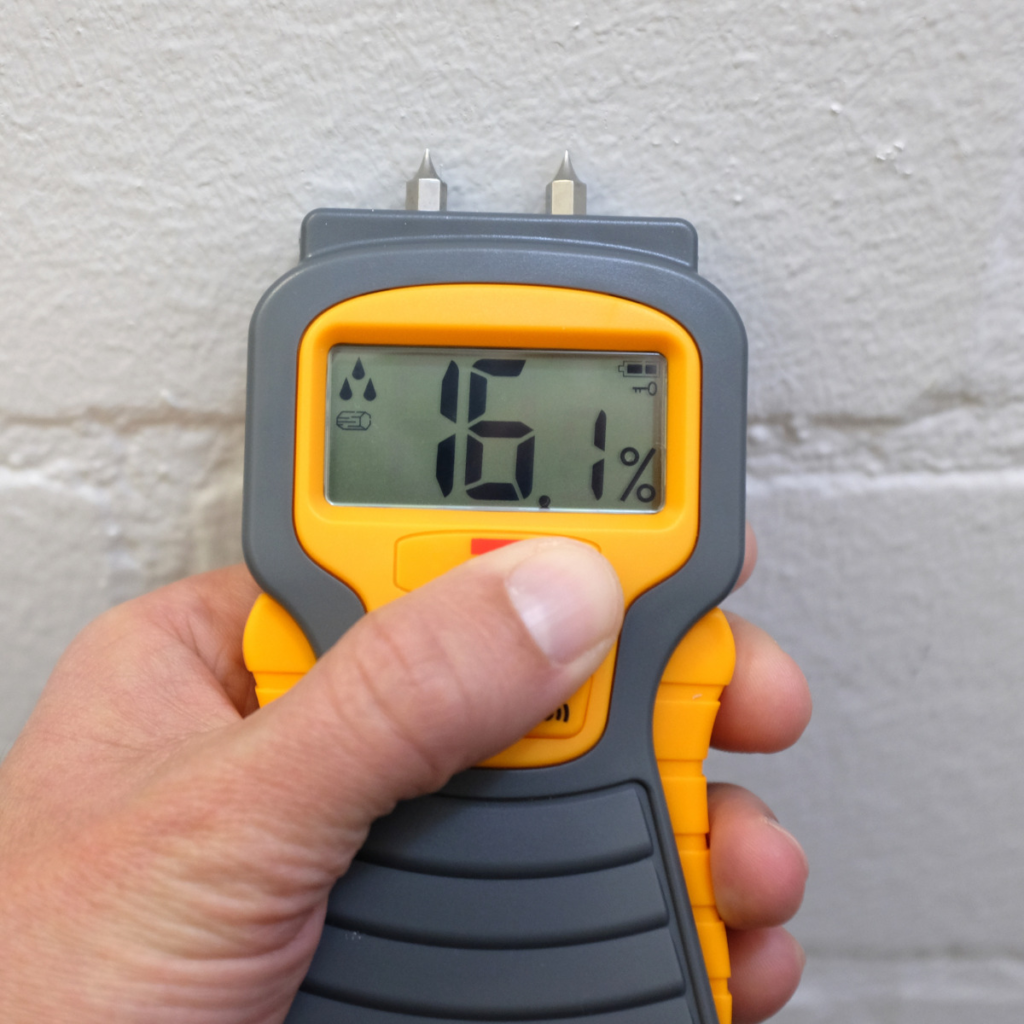
Moisture Meters
Professional-grade moisture meters measure water content in building materials such as drywall, wood, and flooring. These tools provide quantitative data that indicate whether water damage is present.
Hygrometers
Hygrometers monitor indoor humidity levels. Elevated readings after a storm can indicate trapped moisture even if visible water has been removed.
Borescope (Endoscopic) Cameras
Small cameras inserted into wall cavities or ductwork reveal internal conditions that would otherwise remain hidden.
HVAC and Duct Inspection Tools
Technicians assess ductwork and air handlers for moisture, condensation buildup, or microbial growth using specialized brushes, vacuums, and inspection equipment.
Step-by-Step Professional Moisture Detection Process
A thorough moisture detection inspection after storm damage typically follows these steps:
1. Initial Walk-Through
Technicians visually inspect affected areas, noting visible water stains, musty odors, and potential entry points.
2. Thermal Scanning
Infrared imaging is used to locate cooler, damp areas that may contain hidden moisture.
3. Moisture Mapping
Moisture meters are used to quantify water content in suspect areas — walls, ceilings, floors, and structural members.
4. Humidity Analysis
Hygrometers measure relative humidity in multiple rooms, attics, and crawlspaces to identify areas of concern.
5. HVAC System Assessment
Ductwork, drip pans, coils, and registers are examined for condensation, moisture damage, or mold growth.
6. Reporting and Repair Recommendations
A detailed report outlines findings and recommends targeted remediation steps, from additional drying to material replacement.
Solutions After Moisture Detection
Once moisture has been identified, the next phase is targeted remediation. Depending on severity, this may include:
Water Extraction
Rapid removal of standing water or residual moisture using industrial pumps and wet/dry vacuums.
Drying and Dehumidification
Air movers and commercial-grade dehumidifiers ensure thorough drying of walls, floors, and structural cavities. Moisture levels are monitored until they return to safe levels.
Cleaning and Sanitization
Surfaces exposed to moisture may require sanitization with antimicrobial treatments to prevent mold and bacteria growth.
HVAC System Cleaning
Ducts and HVAC components exposed to moisture are thoroughly cleaned to remove contaminants and prevent spore circulation.
Structural Repairs
Damaged drywall, insulation, flooring, or framing may need repair or replacement to restore integrity and prevent future moisture retention.
Costs of Moisture Detection and Remediation
The cost of professional moisture detection varies depending on the size of the home, complexity of the inspection, and severity of the storm damage. Typical cost ranges include:
- Moisture Detection Inspection: $300 – $800
Includes thermal imaging, moisture meters, humidity analysis, and a printed report. - Targeted Moisture Detection with Duct Assessment: $600 – $1,200
For homes where HVAC systems have suspected moisture penetration. - Active Remediation Costs: $500 – $3,000+
Costs vary depending on water extraction, drying equipment, sanitization, and repairs required.
Extensive damage requiring widespread structural repair, mold remediation, or HVAC overhaul can exceed $5,000, but early detection usually reduces total expenses.
Prevention: Keeping Moisture Out After Storms
The best defense against storm-related moisture problems is prevention. Homeowners can take several proactive steps:
Maintain Roofs and Flashing
Regularly inspect roofing materials, flashing around chimneys and vents, and seals around skylights. Early repairs prevent water from entering attic spaces.
Clean and Maintain Gutters
Clogged gutters and downspouts cause rainwater to pool and overflow, which can seep into exterior walls and foundations.
Seal Windows and Doors
Weatherstripping, caulking, and high-quality seals prevent wind-driven rain from entering wall cavities.
Grade the Landscape Properly
Ensure soil slopes away from foundations to prevent water from collecting near and penetrating the home base.
Routine HVAC Maintenance
Clear condensate lines, replace filters regularly, and have annual tune-ups to prevent moisture problems inside air handlers and ducts.
Use Dehumidifiers on High-Humidity Days
Especially during summer storms, monitors for indoor humidity above 60% and use dehumidifiers to maintain safe levels.
Install Water Detection Alarms
Alarms placed near appliances, in crawlspaces, or near HVAC systems alert homeowners to early leaks before they escalate.
Why Local Expertise Matters
Moisture detection and remediation is most effective when performed by professionals who understand the local environment. In Palm Bay and Brevard County:
- Coastal humidity and storm patterns are unique to this region.
- Local technicians know where moisture tends to hide in Florida homes.
- Team members understand typical construction methods used in the area.
- Weather patterns like summer thunderstorms and tropical systems influence moisture behavior.
Local companies like Palm Bay Mold Removal combine regional knowledge with advanced tools to protect homes effectively.
A Calm, Practical Action Plan for Property Owners
- Monitor warning signs after every storm — odors, stains, warped floors.
- Schedule a professional moisture detection inspection if any sign appears.
- Act quickly on detection results to begin targeted drying and remediation.
- Address entry points (roofing, windows, gutters) that allowed water intrusion.
- Plan regular home maintenance to prevent future moisture issues.
- Use preventive tools like water alarms and dehumidifiers for ongoing protection.
This proactive approach ensures that hidden moisture does not become a long-term problem.
Final Thoughts
Moisture detection after storm damage in Palm Bay isn’t just about finding wet surfaces — it’s about uncovering hidden water that can silently weaken structures and compromise health. Professional detection, followed by targeted solutions, helps property owners protect their investment, maintain a healthy indoor environment, and prevent costly repairs down the road.
With proper preventive steps and local expertise, homeowners in Palm Bay can face storm seasons with greater confidence and resilience.