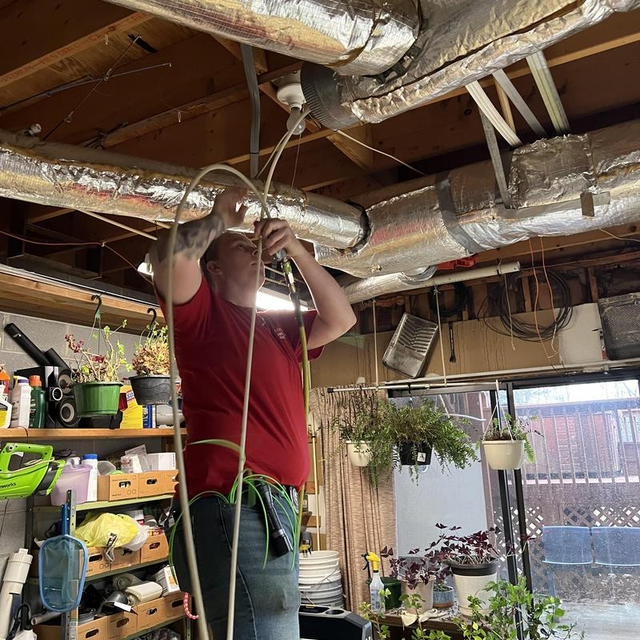
Titusville AC Mold Cleaning in Humid Summers: A Local Homeowner Guide
Homes in Titusville face unique challenges during Florida’s humid summers. High humidity combined with air conditioning systems creates the perfect environment for mold growth in HVAC units. Unaddressed AC mold can compromise indoor air quality, cause musty odors, trigger allergies, and even damage HVAC components.
Building on insights from water leak detection in Rockledge after water damage, this guide provides Titusville homeowners with a detailed understanding of AC mold cleaning. It covers the causes, warning signs, step‑by‑step cleaning procedures, preventive measures, and benefits of professional intervention in humid environments.
Understanding Mold Growth in AC Systems
Mold in AC systems thrives when moisture and organic material are present. Common conditions include:
- High humidity: Florida summers often exceed 70% indoor humidity without proper dehumidification.
- Condensation in AC units: Drip pans and condensate lines that are clogged or improperly drained trap moisture.
- Dirty filters and ducts: Dust accumulation provides nutrients for microbial growth.
- Flooding or leaks: Water intrusion from storms or AC leaks accelerates mold colonization.
Even small amounts of moisture in ductwork or air handlers can result in mold within weeks.
Common Causes of AC Mold During Humid Summers
Several factors contribute to AC mold growth in Titusville homes:
- Clogged or improperly maintained condensate drains
- High indoor humidity and lack of dehumidification
- Dust, debris, or organic material in ducts or filters
- Water intrusion from roof leaks or plumbing issues
- Aging AC systems with poor airflow or damaged components
Identifying the root cause ensures proper remediation and long-term prevention.
Warning Signs of AC Mold
Homeowners should be alert to these early indicators:
- Musty or moldy odors when the AC is running
- Visible mold around vents, registers, or air handler components
- Reduced airflow or inconsistent cooling performance
- Increased allergy or respiratory symptoms among residents
- Excessive moisture or condensation around ducts or HVAC units
Recognizing these signs early allows for timely cleaning and prevention of indoor air quality issues.
Step 1: Professional Inspection
Professional AC mold cleaning begins with a thorough inspection:
Visual Assessment
Technicians examine:
- Ductwork and registers
- Evaporator coils and drip pans
- Air handler units and connections
- Areas exposed to high humidity or water intrusion
Moisture Detection
- Moisture meters and infrared cameras detect hidden wet zones.
- Hygrometers measure indoor humidity to identify areas at risk for mold.
Air and Surface Testing
- Air sampling identifies mold spores or allergens in the HVAC system.
- Surface sampling confirms microbial contamination.
Documentation
Inspection reports guide the cleaning process and provide homeowners with evidence for insurance or maintenance records.
Step 2: Containment and Safety
Containing mold during cleaning prevents spore spread:
- Seal duct openings with plastic sheeting
- Turn off HVAC systems to avoid circulation of spores
- Remove or cover furniture and belongings near vents
- Technicians wear protective gear, including respirators, gloves, and goggles
Proper containment ensures both safety and cleaning effectiveness.
Step 3: AC Mold Cleaning Process
Professional cleaning includes several steps:
Debris Removal
- Industrial vacuums extract dust, dirt, and organic material from ducts and air handler components.
- Brushes and compressed air dislodge stubborn debris in hard-to-reach sections.
Surface Sanitization
- EPA-approved antimicrobial solutions are applied to evaporator coils, duct interiors, and drip pans.
- High-efficiency air scrubbers remove airborne spores during cleaning.
Drying
- Air movers and dehumidifiers remove residual moisture from ducts and HVAC components.
- Continuous monitoring ensures complete drying to prevent regrowth.
Filter Replacement
- Air filters are replaced with high-quality filters to maintain airflow and capture remaining particles.
Hidden Areas Often Overlooked
Mold can develop in areas not immediately visible:
- Flexible ducts under flooring or behind walls
- Attic or crawlspace air handlers and duct runs
- Drip pans, condensate lines, and coils
- Registers and vents behind furniture or cabinets
Professional inspection ensures even hidden areas are addressed.
Health Implications
AC mold can affect indoor air quality and residents’ health:
- Allergic reactions such as sneezing, coughing, and itchy eyes
- Asthma flare-ups in sensitive individuals
- Musty odors affecting comfort
- Exposure to bacterial or fungal spores in damp HVAC systems
Prompt cleaning reduces these risks and improves home comfort.
Costs of AC Mold Cleaning
Costs depend on the extent of contamination, system size, and severity:
- Standard duct cleaning: $400–$800
- Moderate mold remediation with antimicrobial treatment: $800–$1,500
- Extensive cleaning including air handler and HVAC components: $1,500+
Early intervention minimizes costs and prevents long-term damage.
Preventive Measures for Homeowners
To reduce AC mold growth during humid summers:
- Schedule regular HVAC inspections and maintenance
- Replace air filters every 1–3 months
- Ensure condensate drains are clear and functioning properly
- Use dehumidifiers in high-humidity zones
- Inspect ducts and air handlers periodically for moisture or mold
- Install mold-resistant duct liners in at-risk areas
Proactive maintenance protects indoor air quality and extends HVAC lifespan.
Why Local Expertise Matters
Titusville homeowners benefit from local professionals due to Florida’s coastal climate:
- Technicians understand common AC vulnerabilities in humid summers
- Advanced equipment detects hidden moisture and mold efficiently
- Preventive strategies are tailored for local construction, AC systems, and humidity conditions
- Timely professional cleaning reduces structural and health risks
Local experts like Palm Bay Mold Removal provide experience, tools, and knowledge for safe, effective AC mold cleaning.
Practical Steps for Homeowners
- Monitor AC systems for musty odors or poor airflow.
- Schedule a professional inspection if mold is suspected.
- Allow technicians to clean ducts, coils, drip pans, and air handler units.
- Apply antimicrobial treatments and dry all components thoroughly.
- Replace air filters and maintain regular HVAC service.
- Implement preventive measures: dehumidifiers, regular inspections, and proper condensate drainage.
- Schedule routine duct and AC maintenance every 2–4 years for humid summers.
These steps ensure safe, efficient, and healthy AC operation in Titusville homes.
Final Thoughts
AC mold cleaning in Titusville during humid summers is essential to maintain indoor air quality, prevent microbial growth, and ensure HVAC efficiency. Professional inspection, cleaning, drying, and preventive measures address both visible and hidden contamination effectively.
Building on lessons from water leak detection in Rockledge, homeowners can understand the value of early intervention, local expertise, and proactive maintenance. Investing in professional AC mold cleaning ensures a healthier, more comfortable, and resilient home environment.