
How Mold Inspection Helps Homes in Satellite Beach After Flooding
Flooding in Satellite Beach homes can occur unexpectedly due to heavy rains, storm surges, or plumbing failures. While the visible water may be cleaned up quickly, the hidden moisture left behind in walls, floors, and crawl spaces creates an ideal environment for mold growth. Mold can develop rapidly in the humid Florida climate, often within 24–48 hours, and if left undetected, it can damage property and compromise indoor air quality.
Professional mold inspection after flooding is essential for identifying contamination early, assessing severity, and guiding proper remediation. This guide provides Satellite Beach homeowners with an in-depth understanding of why mold inspections are critical, the processes involved, costs, and preventative measures to protect homes after flood events.
Why Flooding Leads to Mold Growth
Mold spores are naturally present in all homes, but they require moisture to proliferate. Flooding introduces excessive water that penetrates various structural components, creating conditions conducive to mold growth:
- Walls and Drywall – Floodwaters saturate gypsum board, which absorbs moisture and fosters microbial growth.
- Flooring – Hardwood, laminate, and carpet can retain water, leading to hidden mold under surfaces.
- Insulation – Fiberglass and cellulose insulation can trap moisture, becoming a mold breeding ground.
- Crawl Spaces and Attics – Hidden structural areas may accumulate moisture without visible signs.
- HVAC Systems – Water infiltration can reach ducts and blowers, circulating mold spores throughout the home.
Even after water removal, residual moisture in these areas can lead to persistent mold problems if not inspected and addressed.
Common Causes of Post-Flood Mold in Satellite Beach Homes
- Severe Storms and Hurricanes – Heavy rains and storm surges overwhelm drainage systems and roof structures.
- Plumbing Failures – Burst pipes, backed-up drains, or leaks introduce standing water into homes.
- Poor Drainage – Low-lying properties may accumulate water during heavy rainfall.
- High Humidity – Coastal Florida homes naturally have elevated moisture levels, accelerating mold growth.
- Delayed Drying – Without proper dehumidification and airflow, moisture persists in walls, floors, and attic spaces.
Understanding the source of flooding is crucial for effective mold inspection and targeted remediation.
Early Signs That Mold May Be Present
After flooding, homeowners should look for indicators of mold growth:
- Musty Odors – Persistent earthy or damp smells suggest hidden mold.
- Visible Mold – Black, green, or gray patches on walls, ceilings, or flooring.
- Water Stains and Discoloration – Yellow or brown spots indicate previous water intrusion.
- Warped or Bubbling Materials – Swelling of wood, drywall, or baseboards from moisture.
- Health Symptoms – Sneezing, coughing, or irritation may indicate exposure to mold spores.
- Condensation – Moisture accumulation on windows, vents, or attic surfaces.
Prompt recognition allows homeowners to schedule professional mold inspections before contamination worsens.
The Mold Inspection Process
A comprehensive mold inspection involves several key steps to accurately assess contamination and guide remediation:
Step 1: Visual Assessment
- Inspect all areas affected by flooding, including walls, ceilings, floors, attics, and crawl spaces.
- Look for water stains, discoloration, warped materials, and visible mold growth.
Step 2: Moisture Detection
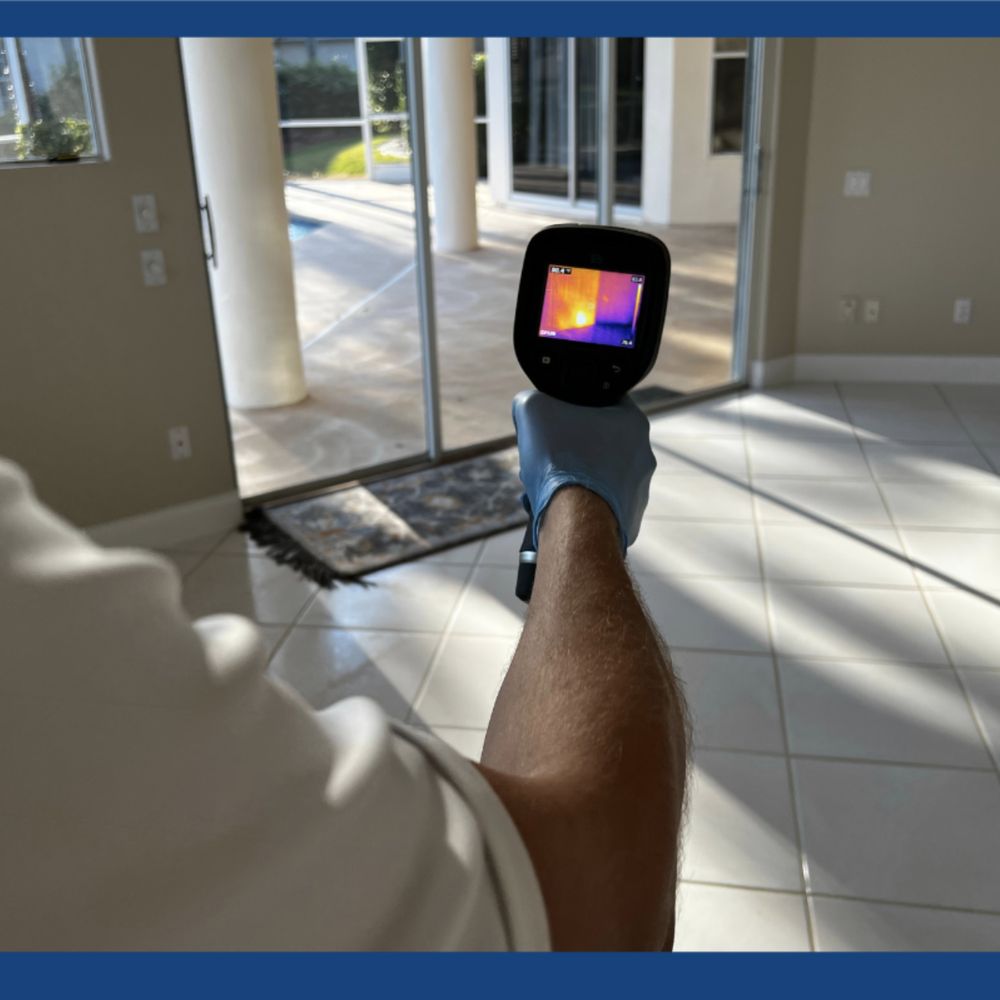
- Use moisture meters, hygrometers, and thermal imaging to locate hidden water pockets.
- Identify areas where residual moisture could support mold growth even if no visible signs exist.
Step 3: Air Sampling
- Air tests measure mold spore concentrations in the home.
- Provides a baseline for indoor air quality and determines if remediation is necessary.
Step 4: Surface Sampling
- Swabs or tape samples collect mold spores from surfaces.
- Laboratory analysis identifies species and assesses the extent of contamination.
Step 5: Detailed Reporting
- Homeowners receive a report detailing the affected areas, types of mold present, and recommended remediation steps.
- Recommendations may include water removal, drying, cleaning, or material replacement.
How Mold Inspections Guide Remediation
Professional mold inspections provide critical information for effective post-flood remediation:
- Targeted Cleaning – Focus on areas with confirmed mold growth, preventing unnecessary disruption.
- Proper Material Removal – Determines which materials can be salvaged and which must be replaced.
- Preventive Measures – Identifies moisture sources and advises on improvements to prevent recurrence.
- Health Protection – Reduces exposure to mold spores during cleanup.
- Verification – Confirms that remediation efforts have successfully removed contamination.
Without an inspection, mold may remain hidden, leading to long-term property damage and potential health risks.
Costs of Mold Inspection After Flooding
The cost of professional mold inspection depends on the size of the home, the extent of flooding, and the type of testing conducted:
- Basic Inspection – $300–$600 for visual assessment and limited air or surface sampling.
- Comprehensive Inspection – $600–$1,200 for larger homes or extensive flooding, including moisture detection and lab analysis.
- Follow-Up Testing – $200–$500 to verify remediation success.
While inspections may add upfront costs, they prevent more expensive damage caused by undetected mold growth.
Preventive Measures for Homeowners
- Prompt Water Removal – Extract floodwater quickly using pumps, wet vacs, or professional services.
- Thorough Drying – Use fans, dehumidifiers, and air movers to remove residual moisture.
- Regular Roof and Plumbing Maintenance – Prevent leaks that could lead to flooding.
- Attic and Crawl Space Ventilation – Ensures proper airflow to reduce moisture accumulation.
- Routine Mold Monitoring – Periodic inspections detect issues before they escalate.
- Humidity Control – Maintain indoor humidity below 50% to inhibit mold growth.
Proactive measures reduce the risk of mold formation and protect home integrity.
Benefits of Professional Mold Inspection
- Identifies Hidden Problems – Detects mold in areas not visible to homeowners.
- Guides Remediation – Ensures that cleanup is targeted and effective.
- Protects Health – Minimizes exposure to allergens and microbial spores.
- Preserves Property Value – Prevents structural damage and costly repairs.
- Reduces Recurrence Risk – Identifies moisture sources to prevent future growth.
Why Local Expertise Matters
Satellite Beach homeowners benefit from professionals familiar with:
- Florida’s coastal weather patterns, hurricanes, and flooding risks
- Structural vulnerabilities in local homes, including slab foundations and older construction
- Advanced inspection techniques using moisture meters, thermal imaging, and air sampling
- Tailored solutions for attics, crawl spaces, and HVAC systems
Local experience ensures that mold inspections and subsequent remediation are thorough, efficient, and customized to the unique conditions of Satellite Beach homes.
Conclusion
Flooding in Satellite Beach homes can introduce significant moisture that encourages rapid mold growth. Professional mold inspections are critical for identifying contamination, guiding remediation, and protecting both property and occupant health.
A thorough inspection involves visual assessment, moisture detection, air and surface sampling, and a detailed report with actionable recommendations. By addressing mold early, homeowners can prevent extensive structural damage, maintain indoor air quality, and reduce long-term repair costs.
Preventive measures such as prompt water removal, proper ventilation, humidity control, and routine inspections further protect homes from future mold issues. Engaging local professionals ensures that Satellite Beach residents can restore their homes safely, efficiently, and effectively after flooding.