
Mold Inspection Services in Satellite Beach after Flooding: Early Signs You Should Not Ignore
Flooding is an unfortunate reality for many homeowners living along Florida’s Space Coast, including Satellite Beach. Heavy seasonal storms, tropical systems, storm surge, and even plumbing failures can quickly leave homes dealing with water intrusion. While visible water damage is often handled quickly, one major issue frequently goes unnoticed in the weeks that follow — mold growth.
Many homeowners assume that once floodwater is removed and surfaces appear dry, the problem is solved. However, moisture trapped in walls, floors, insulation, and HVAC systems often remains long enough for mold to develop quietly. Professional mold inspection services play a crucial role in detecting early problems before damage becomes severe.
Understanding the warning signs and knowing when to schedule an inspection can save Satellite Beach homeowners from costly repairs and long-term property damage.
Understanding Mold Growth After Flooding
Mold naturally exists in the air and outdoors, but it becomes problematic when moisture allows spores to grow indoors. Flooding introduces large amounts of water into areas not designed to handle it.
After a flood event, water seeps into:
• Drywall and insulation
• Wood framing and subfloors
• Carpet and padding
• Cabinets and built-in structures
• HVAC systems and ductwork
• Crawl spaces and attic areas
Even when surfaces feel dry, internal moisture remains trapped. In Florida’s warm, humid climate, mold can begin growing within one or two days if materials do not dry completely.
Floodwater also often contains contaminants that increase material damage and complicate cleanup.
Why Satellite Beach Homes Are Especially Vulnerable
Homes in Satellite Beach and surrounding Brevard County communities face unique moisture challenges due to their coastal location.
Contributing factors include:
• High year-round humidity
• Storm surge and coastal flooding
• Heavy summer rainfall
• Frequent tropical weather systems
• Salt air exposure affecting building materials
• Constant air conditioning use
Homes near Cocoa Beach, Melbourne, Merritt Island, and Palm Bay experience similar challenges. Even newer homes can develop mold if moisture becomes trapped after flooding.
Because coastal homes are frequently exposed to storms, post-flood inspections are particularly important.
Early Signs Homeowners Should Never Ignore
Mold often develops in hidden areas before becoming visible. However, several warning signs may appear after flooding.
Homeowners should watch for:
• Musty or damp indoor odors
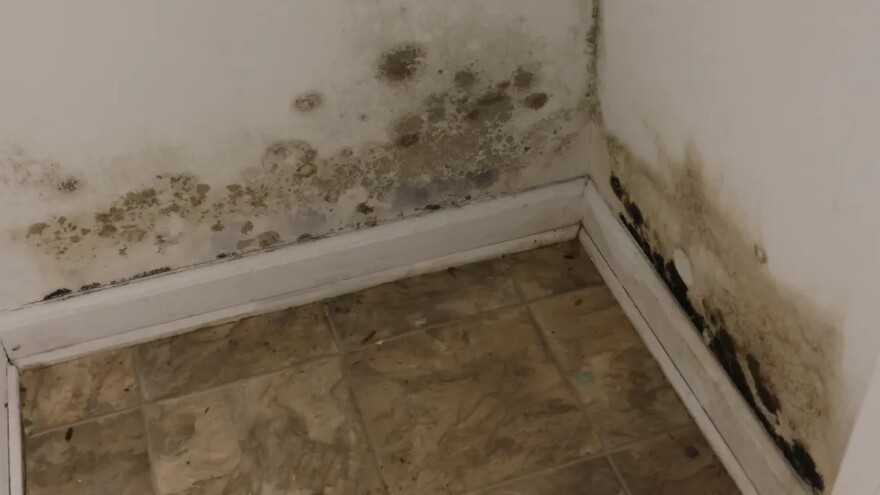
• Dark spotting or staining on walls or ceilings
• Peeling or bubbling paint
• Warped or soft flooring
• Persistent indoor humidity
• Discoloration near baseboards
• Allergy-like symptoms worsening indoors
By the time mold is visible, contamination is often already widespread behind walls or under flooring.
Hidden Areas Where Mold Commonly Develops
Professional mold inspections frequently uncover growth in areas homeowners rarely check.
Common hidden mold locations include:
• Inside walls below flood levels
• Under carpeting and padding
• Beneath laminate or wood flooring
• Behind kitchen or bathroom cabinets
• Inside insulation
• Crawl spaces retaining moisture
• HVAC air handlers and ducts
Floodwater often spreads farther than expected, allowing moisture to travel into concealed structural spaces.
Why Mold Inspection Is Essential After Flooding
A professional mold inspection helps determine whether hidden contamination exists and what steps are necessary to correct it.
Inspection specialists examine:
• Areas impacted by floodwater
• Moisture levels in building materials
• HVAC systems and ductwork
• Crawl spaces and attics
• Structural components behind walls
Advanced moisture detection tools allow technicians to identify wet areas that cannot be seen visually. Thermal imaging and moisture meters help pinpoint hidden damp zones before mold spreads.
Testing may also be recommended when contamination is suspected but not visible.
Why DIY Cleanup Often Misses the Problem
Many homeowners attempt to clean suspected mold areas using household products. While this may improve appearance temporarily, it rarely solves the problem.
DIY cleanup often fails because:
• Mold roots remain inside porous materials
• Moisture sources go untreated
• Cleaning spreads spores
• Hidden mold continues growing
• Contaminated materials remain in place
Effective remediation focuses on eliminating both mold and the moisture source causing it.
Step-by-Step Mold Inspection and Remediation Process
Once mold is suspected after flooding, professionals follow a structured process.
Inspection and Assessment
Technicians evaluate all potentially affected areas, measuring moisture levels and identifying contamination zones.
Containment Setup
Affected spaces are sealed off to prevent spores from spreading throughout the home.
Air Filtration Installation
HEPA filtration equipment cleans the air during remediation activities.
Removal of Damaged Materials
Flood-damaged drywall, insulation, or flooring that cannot be salvaged is safely removed.
Surface Cleaning and Treatment
Remaining structural surfaces are professionally cleaned and treated.
Structural Drying
Industrial dehumidifiers and air movers remove trapped moisture.
Final Inspection
Moisture levels are confirmed safe before repairs or rebuilding begin.
This method prevents recurring mold growth.
Flood Restoration and Water Damage Repair
Mold inspection and remediation often occur alongside flood restoration work.
Flood restoration services may include:
• Water extraction
• Carpet and padding removal
• Drying and dehumidification
• Surface sanitizing
• Structural repairs
If materials remain damp, mold can quickly return even after cleanup.
Homes in Rockledge, Viera, and West Melbourne often require both water damage repair and mold remediation after major storms.
HVAC Systems and Mold After Flooding
Flooding and high humidity often impact HVAC systems, creating hidden mold risks.
Common problems include:
• Wet duct insulation
• Mold inside air handlers
• Condensation buildup
• Blocked AC drain lines
If mold exists inside ducts, spores circulate through the home, spreading contamination.
Inspecting HVAC systems is often part of a comprehensive mold inspection.
Preventing Mold After Flood Recovery
While floods cannot always be avoided, homeowners can reduce mold risks through quick action.
Helpful steps include:
• Removing standing water immediately
• Drying wet materials within 24–48 hours
• Using dehumidifiers after flooding
• Repairing leaks promptly
• Inspecting crawl spaces and attics
• Maintaining AC drainage systems
Routine post-storm inspections help identify hidden moisture early.
Why Local Experience Matters
Coastal Florida homes behave differently than homes in other regions. Professionals familiar with Satellite Beach understand how local conditions impact buildings.
Experienced local specialists know:
• Coastal moisture patterns
• Common water intrusion points
• Florida building materials and layouts
• AC moisture behavior in humid climates
Palm Bay Mold Removal often assists homeowners across Satellite Beach and nearby communities because their experience reflects real conditions in Brevard County homes.
Acting Early Protects Your Home
Flooding is stressful, but mold problems can often be prevented with early inspection and proper cleanup. Ignoring warning signs allows mold to spread quietly, increasing repair costs later.
If your Satellite Beach home recently experienced flooding and you notice odors, staining, or persistent moisture, scheduling an inspection can prevent long-term structural damage.
Early detection and professional assessment help restore safe, dry living conditions while protecting your home’s value. Taking action quickly after flood events gives homeowners peace of mind and helps avoid future mold complications in Florida’s challenging coastal climate.