
Satellite Beach Mold Testing in Older Homes: Costs, Causes, and Solutions
Satellite Beach is known for its coastal charm and established neighborhoods, many of which feature homes built decades ago. While these homes offer character and solid construction, they also come with aging materials and building systems that can make them more vulnerable to mold growth—especially in Florida’s humid coastal climate.
Many homeowners discover mold problems only after noticing odors or stains, but mold often grows quietly behind walls, in attics, or under flooring long before visible signs appear. Mold testing helps identify contamination early, determine its source, and guide proper solutions.
Understanding mold testing, common causes, potential costs, and effective solutions helps Satellite Beach property owners protect their homes and avoid larger repairs later.
Why Older Homes Face Higher Mold Risks
Older homes often have construction features and materials that increase moisture risks over time. Plumbing systems, roofing materials, and ventilation designs may not perform as effectively as modern systems.
Common mold risk factors in older Satellite Beach homes include:
• Aging plumbing lines prone to slow leaks
• Older roofing materials allowing water intrusion
• Outdated attic ventilation systems
• Settling foundations causing cracks or moisture entry
• Original duct systems with deteriorating insulation
• Poor airflow in bathrooms or laundry areas
Over time, small moisture problems accumulate, allowing mold to grow in hidden areas.
Because homes near the coast experience constant humidity exposure, moisture dries slowly once it enters structures.
How Mold Develops Inside Homes
Mold spores naturally exist in outdoor and indoor air. They become a problem only when moisture is present.
Common indoor mold growth locations include:
• Drywall and ceiling surfaces
• Attic insulation and framing
• Carpet padding and flooring materials
• Cabinets and storage areas
• HVAC ductwork and air handlers
• Closets and wall corners
When moisture remains trapped inside building materials for more than a day or two, mold growth can begin.
Often homeowners never see the mold directly because contamination spreads behind surfaces.
Common Warning Signs Mold May Be Present
Many mold problems reveal themselves through small warning signs before becoming obvious.
Homeowners should watch for:
• Musty or earthy odors
• Peeling or bubbling paint
• Ceiling or wall discoloration
• Warped or soft flooring
• Mold spots near vents or corners
• Persistent indoor humidity
• Increased allergy irritation indoors
These symptoms usually indicate hidden moisture and possible mold growth.
Ignoring these early signs allows contamination to spread further.
Hidden Areas Mold Frequently Grows in Older Homes
Moisture from leaks or condensation often spreads into concealed areas.
Common hidden mold locations include:
• Wall cavities behind drywall
• Beneath flooring materials
• Attic insulation after roof leaks
• Crawl spaces under homes
• Inside cabinets or closets
• Around HVAC ducts
Because these areas are difficult to inspect, mold can grow unnoticed for months.
Professional mold testing helps uncover hidden contamination early.
What Mold Testing Actually Does
Mold testing helps determine whether mold is present and identifies contamination sources.
Professional mold testing services often include:
• Visual inspection of suspected areas
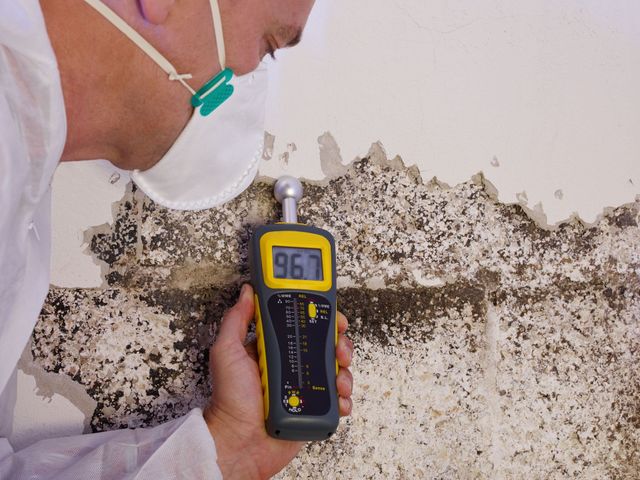
• Moisture meter readings behind walls and floors
• Infrared thermal imaging scans
• Indoor humidity measurements
• Air or surface sampling when needed
Technicians use testing results to determine whether mold contamination exists and how severe it may be.
Local professionals familiar with coastal Brevard County homes, including Palm Bay Mold Removal, understand how moisture spreads in Satellite Beach homes and where mold commonly develops.
Accurate testing helps guide proper remediation decisions.
Mold Testing Costs: What Homeowners Can Expect
Costs vary depending on the size of the home and complexity of inspection.
Factors affecting testing costs include:
• Size of property
• Number of affected areas
• Accessibility of inspection areas
• Need for air or surface samples
• Extent of moisture damage
Basic inspections focusing on visible areas typically cost less than testing requiring extensive sampling or inspection of multiple concealed spaces.
Addressing mold early generally reduces remediation costs later.
Why DIY Mold Testing Often Falls Short
Homeowners sometimes attempt mold testing using store-bought kits, but these often provide misleading results.
DIY kits may:
• Detect harmless mold spores naturally present in air
• Fail to locate hidden moisture sources
• Provide results difficult to interpret
• Miss contamination behind surfaces
Professional inspections focus on identifying moisture and contamination sources rather than simply detecting spores.
Proper testing helps avoid unnecessary cleanup or overlooked contamination.
Solutions When Mold Is Found
If mold is detected, remediation focuses on removing contamination and correcting moisture sources.
Typical remediation steps include:
• Containment of affected areas
• HEPA air filtration
• Removal of contaminated materials when necessary
• Cleaning and sanitizing structural surfaces
• Structural drying
• Repairing moisture sources
Once moisture problems are corrected, repairs restore affected areas.
Without correcting moisture, mold usually returns.
HVAC Systems and Mold Spread
Older homes often have HVAC systems that contribute to mold problems when moisture enters ducts or air handlers.
Moisture may affect:
• Duct insulation
• Air handler components
• Ceiling cavities near vents
• Drain systems
If contaminated air circulates, mold spores can spread throughout the home.
HVAC inspections help prevent contamination from spreading indoors.
Preventing Mold Problems in Older Homes
Homeowners can reduce mold risks through routine maintenance and inspections.
Helpful prevention steps include:
• Inspecting roofs regularly
• Servicing HVAC systems annually
• Monitoring indoor humidity levels
• Repairing plumbing leaks promptly
• Improving attic and crawl space ventilation
• Checking homes after storms
Routine inspections often catch small moisture issues before mold spreads.
Preventive maintenance protects long-term property value.
Why Local Experience Matters in Satellite Beach
Homes across Satellite Beach, Cocoa Beach, and surrounding communities share similar construction styles and climate challenges.
Local professionals understand:
• Coastal humidity impacts on homes
• Storm-related moisture intrusion patterns
• Construction materials common locally
• Ventilation challenges in Florida homes
Experience with local housing conditions allows faster identification of problems and practical solutions.
Local knowledge ensures repairs address root causes rather than temporary symptoms.
Acting Early Protects Property Value and Comfort
Mold problems rarely resolve on their own. The longer moisture remains hidden, the greater the risk of structural damage and indoor air quality issues.
If your home smells musty, shows stains, or feels unusually humid, professional mold testing can uncover hidden problems before repairs become costly.
Trusted local specialists such as Palm Bay Mold Removal help homeowners understand moisture risks and guide effective solutions that protect homes long term.
Taking early action helps Satellite Beach homeowners maintain healthier, safer, and more comfortable homes despite Florida’s humid coastal conditions.