
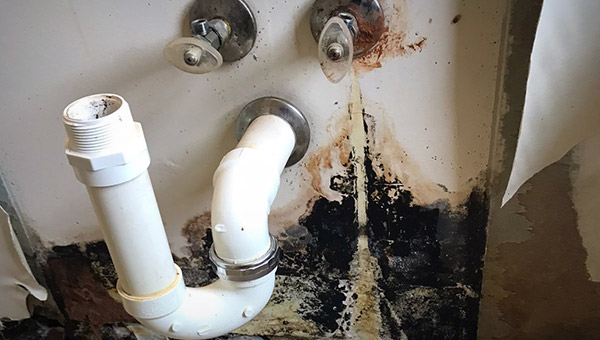
How Black Mold Removal Helps Homes in Merritt Island after Plumbing Leaks
Plumbing leaks are one of the most common causes of hidden moisture problems in Merritt Island homes. Unlike storm flooding or roof damage, plumbing leaks often start slowly and remain unnoticed behind walls, under cabinets, or beneath flooring. By the time homeowners discover the problem, moisture may have already spread, allowing black mold to begin growing.
In Florida’s warm and humid climate, even small leaks can create ideal conditions for mold within days. Once mold develops, it affects indoor air quality, damages building materials, and can lead to costly repairs if left untreated.
Understanding how black mold removal works—and how it helps homes recover after plumbing leaks—allows property owners to act quickly and prevent long-term damage.
How Plumbing Leaks Lead to Mold Growth
Most plumbing leaks do not create dramatic flooding. Instead, they slowly release water into hidden areas of the home.
Common leak locations include:
• Under kitchen or bathroom sinks
• Behind shower or tub walls
• Inside laundry rooms
• Beneath flooring near appliances
• Inside slab foundations
• Around water heaters
Water from slow leaks seeps into drywall, insulation, cabinets, and flooring materials. Because these spaces are hidden, moisture remains trapped, creating ideal conditions for mold growth.
Mold spores naturally present in the air begin colonizing damp materials within 24 to 48 hours.
Often, mold spreads long before homeowners realize a leak exists.
Why Merritt Island Homes Are Vulnerable
Homes throughout Merritt Island and surrounding areas like Cocoa Beach, Rockledge, and Palm Bay face moisture challenges due to coastal humidity.
Several factors increase mold risks after plumbing leaks:
• High year-round humidity
• Slow drying of damp materials
• Constant AC use creating condensation
• Older plumbing systems in some homes
• Poor ventilation in cabinets and storage areas
Even minor plumbing leaks can become serious when moisture remains trapped in Florida’s humid conditions.
Homes that appear dry on the surface may still contain hidden moisture inside structures.
Warning Signs Mold May Be Present After a Leak
Plumbing leaks often leave behind warning signs before mold becomes visible.
Homeowners should watch for:
• Musty odors inside rooms or cabinets
• Paint bubbling or peeling
• Dark stains on walls or ceilings
• Warped or soft flooring
• Mold spots inside cabinets or closets
• Persistent indoor humidity
• Allergy irritation indoors
Sometimes odors appear weeks after repairs seem complete because moisture remains trapped behind surfaces.
Ignoring early signs allows mold contamination to spread further.
Hidden Areas Mold Often Develops After Plumbing Leaks
Leak water frequently spreads into concealed spaces where mold can grow unnoticed.
Common hidden mold locations include:
• Behind drywall near plumbing lines
• Under cabinets and vanities
• Beneath flooring materials
• Inside wall cavities
• Inside closets and storage areas
• Around HVAC ducts near leak areas
Because these areas are hidden, mold may grow for long periods before discovery.
Professional inspections help locate hidden contamination early.
Why DIY Mold Cleanup Usually Fails
Homeowners sometimes try to clean visible mold using household cleaners or repaint affected areas. Unfortunately, this rarely solves the underlying issue.
DIY mold cleanup often fails because:
• Mold behind surfaces remains untreated
• Moisture sources are not fully corrected
• Spores spread during improper cleaning
• Contamination extends beyond visible areas
Without removing trapped moisture, mold frequently returns.
Professional remediation addresses both mold and moisture sources.
How Professional Mold Inspection Works
Black mold removal begins with determining how far contamination has spread and identifying the moisture source.
Inspection methods typically include:
• Visual inspection of affected areas
• Moisture meter readings inside walls and floors
• Infrared thermal imaging scans
• Humidity measurements
• Plumbing and HVAC inspections
Technicians determine whether contamination is localized or widespread and develop a remediation plan.
Local professionals familiar with Merritt Island homes, including Palm Bay Mold Removal, understand how moisture behaves in coastal housing and where mold typically develops.
Accurate inspections prevent unnecessary demolition while ensuring hidden contamination is addressed.
Step-by-Step Mold Removal Process
Professional mold remediation follows a structured process to safely eliminate contamination.
Typical remediation steps include:
Containment
Affected areas are isolated to prevent mold spores from spreading during cleanup.
Air Filtration
HEPA air filtration equipment removes airborne particles during remediation.
Removal of Contaminated Materials
Severely mold-damaged drywall, insulation, or cabinets may require removal.
Cleaning and Sanitizing
Structural surfaces are cleaned and sanitized to remove mold residues.
Structural Drying
Industrial drying equipment removes trapped moisture to prevent mold return.
Repairs and Restoration
Walls, cabinets, and flooring are repaired or replaced once remediation is complete.
Correcting moisture sources prevents recurrence.
How Mold Removal Improves Indoor Air Quality
When mold grows after plumbing leaks, spores circulate throughout the home whenever air moves through rooms or HVAC systems.
Homeowners may notice:
• Persistent musty smells
• Increased dust or irritation indoors
• Stale or heavy indoor air
• Humidity discomfort
Professional remediation removes contamination and helps restore healthier airflow.
Clean indoor air improves overall comfort.
HVAC Systems and Mold Spread
Leaks near HVAC systems can contaminate ductwork or air handlers.
Moisture may affect:
• Duct insulation
• Air handler components
• Ceiling cavities near vents
• Drainage systems
If contaminated air circulates, mold spores can spread throughout the home.
HVAC inspections often follow remediation to ensure clean airflow.
Preventing Future Plumbing Leak Damage
Homeowners can reduce future mold risks by monitoring plumbing systems regularly.
Recommended prevention steps include:
• Inspecting under sinks for moisture
• Replacing aging supply lines
• Servicing water heaters routinely
• Monitoring water bills for sudden increases
• Addressing leaks immediately
• Checking appliances and laundry areas regularly
Routine inspections often catch small leaks before they become major problems.
Preventive maintenance protects long-term home value.
Why Local Experience Matters in Merritt Island
Homes throughout Merritt Island and Brevard County share construction patterns and climate challenges.
Local professionals understand:
• Coastal humidity effects on homes
• Plumbing systems common locally
• Moisture spread patterns in regional construction
• Ventilation challenges in Florida homes
Experience with local housing allows faster diagnosis and effective solutions tailored to area conditions.
Local knowledge ensures repairs address real causes rather than temporary symptoms.
Acting Quickly Protects Homes and Property Value
Plumbing leaks rarely resolve without action. The longer moisture remains hidden, the greater the risk of mold growth and structural damage.
If your home smells musty, shows stains, or recently experienced plumbing leaks, professional inspection and mold removal may prevent larger repairs later.
Trusted local specialists such as Palm Bay Mold Removal help homeowners identify moisture risks and guide effective remediation steps that protect homes long term.
Taking early action helps Merritt Island homeowners maintain safer, healthier, and moisture-resistant homes after plumbing leaks.