
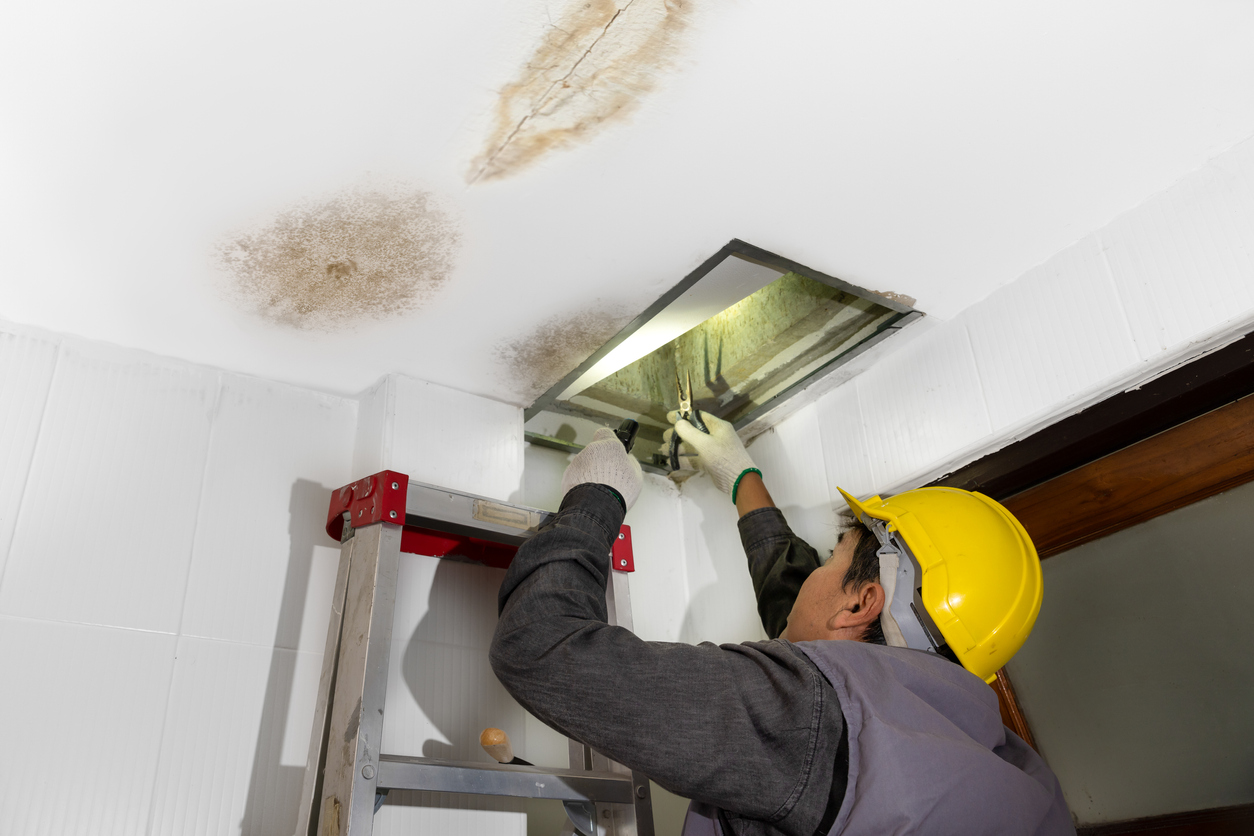
A Local Homeowner Guide: Flood Restoration in Satellite Beach from AC Condensation
Satellite Beach homeowners depend heavily on air conditioning systems to stay comfortable through Florida’s long, humid seasons. While most people associate flooding with storms or hurricanes, many residential flooding situations in coastal homes actually begin with something less dramatic: air conditioning condensation problems.
When AC systems operate constantly in humid weather, condensation buildup can overwhelm drainage systems or leak into ceilings and walls. Over time, this moisture can cause flooding-like damage inside homes, affecting ceilings, flooring, and hidden structural areas.
Understanding how AC condensation leads to water damage—and how proper flood restoration prevents long-term problems—helps Satellite Beach homeowners protect their homes and avoid repeated repairs.
How AC Condensation Causes Water Damage
Air conditioning systems cool indoor air by removing heat and humidity. As warm air passes over cooling coils, moisture condenses and collects in a drain pan before flowing out through a condensate drain line.
However, when drainage systems fail or become clogged, water can overflow and spread into surrounding materials.
Condensation-related water damage commonly affects:
• Ceilings below attic air handlers
• Interior walls
• Insulation and framing
• Flooring and subfloors
• Cabinets and storage areas
• HVAC ducts and vents
Because AC systems run continuously during summer months, even small drainage problems can release large amounts of water over time.
Many homeowners first notice stains or dripping water long after damage has already spread.
Why Condensation Problems Are Common in Satellite Beach
Homes in Satellite Beach and nearby communities such as Cocoa Beach, Merritt Island, and Palm Bay face environmental conditions that increase condensation risks.
Common contributing factors include:
• High year-round coastal humidity
• Constant AC system operation
• Attic air handlers exposed to extreme heat
• Clogged condensate drain lines
• Poor system maintenance
• Aging HVAC equipment
Coastal humidity slows natural drying, allowing moisture to remain trapped inside building materials longer than expected.
Even newer homes can experience condensation problems if maintenance is neglected.
Warning Signs AC Condensation Damage Is Present
Condensation-related flooding often develops slowly, revealing warning signs before major damage occurs.
Homeowners should watch for:
• Ceiling stains appearing below AC units
• Musty odors indoors
• Peeling paint or bubbling drywall
• Dripping water near vents or ceilings
• Warped flooring or baseboards
• Mold spots around vents or corners
• Increased indoor humidity
Sometimes the AC continues running normally while hidden water spreads above ceilings.
Ignoring these symptoms allows damage to worsen.
Hidden Areas Commonly Affected by Condensation Flooding
Water from AC overflow often travels into concealed areas before becoming visible.
Common hidden moisture locations include:
• Attic insulation surrounding air handlers
• Ceiling cavities beneath units
• Wall cavities near duct runs
• Behind cabinets or closets
• Inside duct insulation
Because these areas are hidden, moisture may remain unnoticed until mold growth or structural weakening occurs.
Professional inspections help uncover these concealed issues.
Why DIY Cleanup Often Fisses the Problem
Homeowners sometimes attempt to dry affected areas themselves after noticing water stains or leaks. While fans and household dehumidifiers help surface drying, they rarely remove moisture trapped inside structures.
DIY cleanup usually misses:
• Moisture inside insulation
• Damp structural framing
• Water beneath flooring materials
• Moisture inside ceiling cavities
Without proper drying, mold growth often begins within days.
Professional restoration equipment removes moisture more thoroughly.
Step-by-Step Flood Restoration Process After AC Overflow
Professional restoration teams follow a structured process to restore homes after condensation flooding.
Step 1: Water Extraction
Standing water and soaked materials are removed quickly to prevent further damage.
Step 2: Moisture Inspection
Moisture detection tools identify hidden wet areas inside ceilings and walls.
Step 3: Removal of Damaged Materials
Severely soaked drywall or insulation may need removal to prevent contamination.
Step 4: Structural Drying
Commercial air movers and dehumidifiers dry affected structures while technicians monitor moisture levels.
Step 5: Cleaning and Sanitizing
Affected surfaces are cleaned to remove contaminants and prevent mold growth.
Step 6: Repairs and Restoration
Ceilings, walls, and flooring are repaired once drying is complete.
Local restoration professionals, including Palm Bay Mold Removal, understand how moisture spreads in Brevard County homes and how to restore structures safely.
Mold Growth Risks After AC Condensation Flooding
Mold growth becomes a serious concern when moisture remains trapped inside structures.
Common mold growth areas include:
• Behind drywall
• Attic insulation
• Under flooring materials
• Around HVAC ducts and vents
Once mold spreads, remediation becomes more complex and expensive.
Early drying prevents contamination from developing.
HVAC Systems and Ongoing Moisture Problems
AC condensation problems can repeat if underlying HVAC issues remain unresolved.
Common causes include:
• Clogged condensate drain lines
• Improper system installation
• Dirty coils increasing condensation
• Broken drain pans
• Improper system sizing
Regular HVAC maintenance prevents overflow and reduces moisture risks.
Preventing Future Condensation Flood Damage
Homeowners can reduce risks with routine maintenance and inspections.
Recommended prevention steps include:
• Servicing HVAC systems annually
• Cleaning condensate drain lines regularly
• Inspecting attic air handlers for leaks
• Monitoring indoor humidity levels
• Checking ceilings for stains after heavy AC use
• Addressing drainage issues immediately
Routine inspections catch problems before major damage occurs.
Preventive maintenance saves money long term.
Why Local Experience Matters in Satellite Beach
Homes in Satellite Beach and nearby coastal communities share construction patterns and climate challenges.
Local professionals understand:
• Coastal humidity effects on homes
• HVAC installation patterns in the area
• Storm and condensation moisture behavior
• Construction materials common locally
Experience with regional housing allows faster diagnosis and more effective restoration solutions.
Local knowledge ensures repairs address root causes rather than temporary symptoms.
Acting Early Protects Homes and Comfort
AC condensation flooding often starts small but can cause serious long-term damage if ignored. Acting quickly prevents mold growth and structural deterioration.
If your home shows ceiling stains, musty odors, or humidity problems, professional moisture inspection can reveal hidden issues before they worsen.
Trusted local specialists such as Palm Bay Mold Removal help homeowners identify moisture risks and guide restoration steps that protect homes long after repairs are complete.
Taking early action keeps Satellite Beach homes comfortable, safe, and protected from recurring moisture damage.