
Black Mold Removal in Viera after Water Damage: Professional Tips for Property Owners
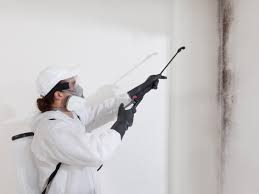
Water damage is one of the most common triggers for black mold growth in Viera homes. Whether caused by storms, plumbing failures, roof leaks, or appliance malfunctions, water intrusion often leaves behind hidden moisture that continues affecting a home long after visible water disappears.
In Florida’s humid climate, moisture trapped inside walls, floors, or ceilings can quickly create conditions where black mold begins to grow. Many homeowners only realize a problem exists after odors, staining, or visible mold appear, but contamination often spreads silently before that point.
Understanding how black mold develops after water damage and knowing the professional steps required to remove it helps property owners protect their homes and avoid costly long-term repairs.
What Happens After Water Damage in Homes
When water enters a home, it spreads beyond the visible wet areas. Even minor leaks allow moisture to move through building materials.
Water commonly saturates:
• Drywall and insulation
• Subfloors and flooring materials
• Wood framing and trim
• Cabinets and closets
• Ceiling cavities
• HVAC ducts and ventilation areas
Although surfaces may appear dry after cleanup, moisture frequently remains trapped behind walls or under floors. In Viera’s warm environment, this trapped moisture creates ideal conditions for mold growth within just a few days.
Homes that seem repaired on the surface may still contain hidden moisture inside structures.
Why Black Mold Develops Quickly in Viera Homes
Homes across Viera, Palm Bay, Melbourne, and surrounding Brevard County communities experience conditions that make mold growth more likely after water intrusion.
Several factors contribute:
• High year-round humidity
• Heavy seasonal storms and rainfall
• Hurricane-driven rain intrusion
• AC systems running constantly
• Poor attic or crawl space ventilation
• Aging roofing or plumbing systems
Even newer homes can develop moisture problems if leaks go unnoticed or ventilation systems fail to control humidity properly.
Once moisture becomes trapped, mold spores begin colonizing organic materials found in homes.
Warning Signs Black Mold May Be Present
Black mold often develops quietly, revealing itself through warning signs before visible contamination becomes obvious.
Property owners should watch for:
• Persistent musty or earthy odors
• Dark staining on walls or ceilings
• Peeling or bubbling paint
• Warped or soft flooring
• Mold spots around vents or corners
• Increased indoor humidity
• Allergy-like irritation indoors
These symptoms usually indicate hidden moisture and possible mold growth.
Ignoring early signs allows contamination to spread and remediation costs to rise.
Hidden Locations Mold Often Develops
Black mold rarely grows only where water first appears. Moisture frequently travels through hidden structural areas.
Common hidden mold locations include:
• Behind bathroom and kitchen walls
• Beneath flooring materials
• Inside attic insulation
• Around HVAC duct systems
• Inside closets and storage spaces
• Beneath cabinets and vanities
Because these spaces are concealed, mold can spread unnoticed for extended periods.
Professional inspections help uncover contamination early.
Why DIY Mold Removal Often Fails
Homeowners sometimes attempt mold cleanup themselves using household cleaners or by painting over stains. Unfortunately, this rarely solves the underlying problem.
DIY methods usually fail because:
• Mold behind surfaces remains untouched
• Moisture sources are not corrected
• Cleaning spreads mold spores
• Contamination extends beyond visible areas
Without eliminating trapped moisture, mold often returns even after cleaning.
Professional remediation addresses both contamination and the moisture causing it.
How Professional Mold Inspection Works
Black mold removal begins with a detailed inspection to determine how far contamination has spread and identify moisture sources.
Professional inspection methods often include:
• Visual examination of affected areas
• Moisture meter readings behind walls and floors
• Infrared thermal imaging scans
• Indoor humidity measurements
• HVAC and attic inspections
Technicians determine whether contamination is localized or widespread and create a remediation plan accordingly.
Local specialists familiar with Brevard County homes, including Palm Bay Mold Removal, understand how moisture behaves in Viera properties and where mold commonly develops.
Accurate inspections prevent unnecessary demolition while ensuring hidden contamination is fully addressed.
Professional Black Mold Removal Process
Effective mold removal follows a structured process to safely eliminate contamination and prevent recurrence.
Typical remediation steps include:
• Containment of affected areas to prevent spore spread
• HEPA air filtration during cleanup
• Removal of mold-damaged materials when necessary
• Cleaning and sanitizing structural surfaces
• Structural drying procedures
• Repairing moisture sources
Once remediation is complete, repairs restore damaged areas.
Without correcting moisture problems, mold usually returns.
Water Damage Repair After Mold Removal
Water damage often weakens building materials, making repairs necessary after remediation.
Repair work may include:
• Replacing drywall or insulation
• Repairing flooring damage
• Restoring ceilings or cabinets
• Sanitizing contaminated areas
• Structural drying and monitoring
Professional drying ensures moisture does not remain trapped inside materials.
Addressing both water damage and mold prevents recurring problems.
HVAC Systems and Mold Spread
HVAC systems frequently contribute to mold spread when contamination develops inside ductwork or air handlers.
Moisture inside HVAC systems may lead to:
• Mold growth inside ducts
• Contaminated airflow
• Increased indoor humidity
• Persistent odors
If HVAC systems are affected, cleaning and repair are necessary to prevent spores from circulating throughout the home.
Routine AC maintenance reduces future moisture risks.
Professional Tips for Preventing Future Mold Problems
Property owners can significantly reduce future mold risks by following practical maintenance steps.
Helpful prevention strategies include:
• Inspecting roofs regularly for leaks
• Servicing HVAC systems annually
• Monitoring indoor humidity levels
• Repairing plumbing leaks immediately
• Ensuring proper attic and crawl space ventilation
• Inspecting homes after storms
Routine inspections often catch small moisture issues before they escalate into major repairs.
Preventive maintenance protects long-term home value.
Why Local Experience Matters in Viera
Homes throughout Viera, Rockledge, Palm Bay, and surrounding Brevard County communities share similar construction styles and environmental challenges.
Local professionals understand:
• Coastal humidity impacts on homes
• Storm-related water intrusion patterns
• Construction materials common locally
• Ventilation challenges in Florida homes
Experience with regional housing allows faster detection and practical solutions tailored to local conditions.
Working with professionals familiar with area homes ensures remediation addresses root causes rather than temporary symptoms.
Acting Early Protects Property Value
Black mold problems rarely resolve without intervention. The longer moisture remains hidden, the greater the risk of structural damage and indoor air quality issues.
If your Viera home smells musty, shows stains, or has experienced water damage, professional inspection and remediation may prevent larger repairs later.
Trusted local specialists such as Palm Bay Mold Removal help homeowners identify moisture risks and guide proper remediation steps that protect homes long term.
Taking action early keeps residential properties safer, healthier, and protected from long-term mold damage following water intrusion.