
How to Prevent Future Damage: Indoor Air Quality Improvement in Rockledge in Commercial Buildings
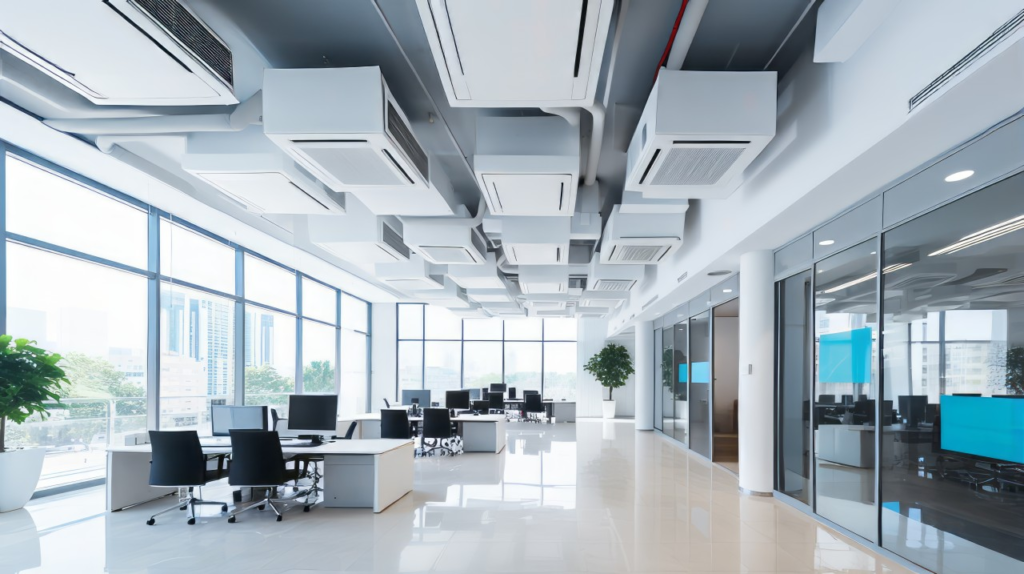
Commercial buildings in Rockledge face unique indoor air quality challenges due to Florida’s humid climate, heavy seasonal rains, and constant demand on air conditioning systems. Offices, retail centers, medical facilities, and mixed-use commercial properties depend heavily on HVAC systems to maintain comfortable indoor environments. When indoor air quality declines, occupants often experience discomfort, odors, humidity problems, and operational disruptions.
Many indoor air quality issues begin quietly. Moisture intrusion, ventilation imbalances, or contaminated duct systems can slowly affect building conditions before noticeable symptoms appear. Preventing future damage requires understanding how air quality problems develop and taking proactive steps to address them.
This guide helps commercial property owners and managers understand how indoor air quality issues arise and what steps can prevent long-term problems in Rockledge buildings.
Understanding Indoor Air Quality Problems in Commercial Buildings
Indoor air quality refers to the cleanliness, humidity balance, and ventilation performance inside a building. When systems function properly, occupants experience comfortable airflow and minimal odors or dust buildup.
However, indoor air quality problems arise when moisture, dust, or contaminants accumulate inside ventilation systems or building materials.
Common commercial air quality problems include:
• Persistent musty odors
• Excessive humidity indoors
• Dust accumulation throughout spaces
• Mold growth in hidden areas
• Uneven airflow between rooms
• Increased HVAC system strain
Poor indoor air quality often leads to occupant discomfort and increased maintenance costs.
Why Indoor Air Quality Issues Are Common in Rockledge
Commercial buildings in Rockledge, Palm Bay, Melbourne, and surrounding Brevard County communities experience environmental conditions that increase air quality challenges.
Contributing factors include:
• High year-round humidity
• Heavy summer rainfall and storms
• Constant AC system operation
• Roof leaks allowing moisture intrusion
• Poor ventilation in mechanical areas
• Aging HVAC infrastructure
Many commercial buildings operate long hours, increasing HVAC workload. When maintenance schedules fall behind or ventilation systems become imbalanced, indoor air quality declines quickly.
Moisture problems often develop after storms or unnoticed leaks.
Warning Signs Indoor Air Quality Is Declining
Commercial property managers often receive complaints before realizing indoor air quality problems exist.
Common warning signs include:
• Musty smells in certain areas
• Employees reporting stale air
• Increased allergy or irritation complaints
• Uneven cooling or humidity levels
• Visible mold around vents or ceilings
• AC systems running constantly
These symptoms often indicate hidden moisture or ventilation issues.
Ignoring early warning signs can lead to larger restoration problems later.
Hidden Causes of Air Quality Problems
Many indoor air quality issues originate in concealed building areas.
Common hidden causes include:
• Moisture inside duct insulation
• Roof leaks affecting ceiling spaces
• Condensation buildup inside HVAC systems
• Dirty air handler components
• Poor ventilation in mechanical rooms
Because these issues occur behind ceilings or walls, they often go unnoticed until contamination spreads.
Professional inspections help identify hidden causes early.
Why Basic Cleaning Doesn’t Solve Air Quality Problems
Building managers sometimes respond to complaints by replacing filters or cleaning visible areas. While helpful, these steps rarely solve underlying problems.
Basic cleaning does not address:
• Mold growth inside ducts
• Moisture inside ventilation systems
• Contaminated HVAC components
• Hidden water intrusion sources
Without correcting root causes, problems usually return.
Professional evaluation ensures proper solutions are implemented.
How Professional Indoor Air Quality Inspections Work
Professional air quality inspections examine building systems and moisture conditions thoroughly.
Inspection methods often include:
• Moisture meter readings inside walls and ceilings
• Inspection of HVAC components
• Duct system evaluations
• Humidity level monitoring
• Ventilation performance assessments
Technicians identify contamination sources and recommend solutions that address long-term prevention.
Local specialists familiar with Brevard County commercial properties, including Palm Bay Mold Removal, understand how humidity and storm conditions affect local buildings.
Accurate inspections prevent unnecessary repairs while ensuring problems are fully addressed.
HVAC Systems and Their Impact on Air Quality
HVAC systems are the backbone of indoor air quality in commercial buildings. When systems are contaminated or poorly maintained, problems spread quickly.
Common HVAC-related air quality issues include:
• Dirty coils and blower components
• Moisture accumulation in air handlers
• Duct contamination
• Clogged condensate drain lines
• Insufficient airflow
When HVAC systems operate inefficiently, humidity increases and contaminants circulate throughout the building.
Routine system maintenance improves both air quality and energy efficiency.
Mold Risks in Commercial Buildings
Mold growth becomes a serious concern when moisture remains inside building materials or HVAC systems.
Common mold growth locations include:
• Ceiling cavities
• Inside ductwork
• Mechanical rooms
• Storage areas
• Areas affected by leaks
Once mold spreads, remediation becomes complex and disruptive to operations.
Early detection and moisture control prevent contamination from spreading.
Preventing Future Indoor Air Quality Damage
Preventive maintenance helps commercial buildings avoid recurring air quality issues.
Property managers can reduce risks by:
• Scheduling routine HVAC maintenance
• Inspecting roofs and ceilings after storms
• Monitoring indoor humidity levels
• Cleaning and inspecting ducts periodically
• Repairing leaks immediately
• Improving ventilation in mechanical spaces
Routine inspections often catch small issues before they escalate into costly repairs.
Preventive efforts protect both occupants and building value.
Water Damage and Air Quality Connections
Storms and leaks frequently impact indoor air quality even when damage seems minor.
Moisture intrusion can affect:
• Duct insulation
• Ceiling materials
• HVAC components
• Structural framing
If materials remain damp, mold growth and odor problems follow.
Proper drying and restoration prevent air quality decline after water events.
Why Local Experience Matters in Rockledge
Commercial buildings throughout Rockledge, Palm Bay, Melbourne, and surrounding communities share construction styles and climate challenges.
Local professionals understand:
• Humidity patterns affecting local buildings
• Storm-related water intrusion risks
• Construction materials common locally
• HVAC system layouts used regionally
Experience with local building conditions allows faster detection and practical solutions tailored to regional needs.
Local knowledge ensures repairs solve root causes rather than temporary symptoms.
Protecting Building Comfort and Operations
Indoor air quality directly affects employee productivity, customer comfort, and overall building performance. Poor air quality can lead to occupant complaints and maintenance challenges that disrupt daily operations.
If tenants or employees report musty odors, humidity problems, or stale airflow, a professional inspection can uncover hidden issues before they cause long-term damage.
Trusted local specialists such as Palm Bay Mold Removal help property owners understand air quality risks and implement practical improvements that protect commercial buildings long term.
Taking preventive action keeps Rockledge commercial buildings comfortable, efficient, and protected against future moisture and air quality problems.