
Inspection and Repair Guide: Moisture Detection in West Melbourne in Humid Summers
Humid summers are part of everyday life in West Melbourne, but the same warm, moisture-heavy air that defines Florida living also creates hidden risks inside homes. Many moisture problems begin quietly during the summer months, building behind walls, beneath flooring, and inside attics long before homeowners realize something is wrong.
By the time stains, odors, or mold appear, moisture may already have been affecting the home for weeks or months. Moisture detection and proper repair help homeowners prevent structural damage, mold growth, and expensive restoration work.
This guide explains how moisture problems develop, how professionals detect hidden moisture, and what repair steps help protect homes during West Melbourne’s humid summers.
What Moisture Problems Look Like Inside Homes
Moisture issues are not always connected to flooding or obvious leaks. During humid summers, moisture can enter homes through condensation, minor leaks, and poor ventilation.
Once moisture enters, it becomes trapped inside materials such as:
• Drywall and insulation
• Wood framing and subfloors
• Flooring materials
• Cabinets and storage areas
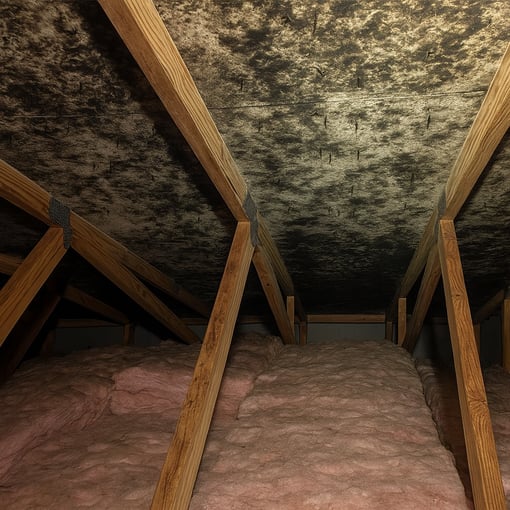
• Attic insulation and roof decking
When moisture remains trapped, it leads to problems including:
• Mold growth
• Wood rot
• Paint peeling
• Musty odors
• Warped flooring
• Reduced indoor air quality
Because many affected areas are hidden, homeowners often do not realize moisture is present until damage becomes visible.
Why Humid Summers Cause Moisture Problems in West Melbourne
Homes across West Melbourne, Palm Bay, and nearby Brevard County communities face persistent humidity throughout the summer.
Several factors increase moisture risks:
• High outdoor humidity levels
• Heavy seasonal rainfall
• AC systems running constantly
• Warm attic temperatures causing condensation
• Older ventilation systems
• Small roof or plumbing leaks
Homes are often sealed tightly to improve cooling efficiency, but this can trap humidity indoors if ventilation is insufficient.
Moisture then accumulates inside structural materials, creating ideal conditions for mold and damage.
Warning Signs Homeowners Often Notice
Moisture problems often reveal themselves through subtle signs before serious damage occurs.
Homeowners should watch for:
• Musty or damp odors
• Paint bubbling or peeling
• Ceiling or wall discoloration
• Warped or soft flooring
• Mold spots near vents or corners
• Persistent indoor humidity
• Increased allergy irritation indoors
These symptoms usually indicate hidden moisture somewhere in the home.
Ignoring these signs allows problems to worsen over time.
Hidden Areas Where Moisture Accumulates
Moisture frequently spreads into areas homeowners rarely inspect.
Common hidden moisture locations include:
• Wall cavities behind drywall
• Beneath flooring layers
• Attic insulation and roof framing
• Crawl spaces under homes
• Behind cabinets and closets
• Inside HVAC duct systems
Because these spaces are concealed, moisture problems often remain undetected without professional inspections.
Moisture detection services help locate these hidden issues early.
Why DIY Inspections Often Miss the Problem
Homeowners sometimes rely on visual inspections or basic drying methods after noticing moisture. However, surface drying rarely eliminates hidden moisture.
DIY methods usually cannot detect:
• Moisture trapped behind walls
• Damp insulation in attics
• Water beneath flooring materials
• Humidity trapped inside crawl spaces
Without professional tools, moisture problems remain unresolved, allowing mold to develop.
Professional moisture detection equipment identifies moisture without unnecessary demolition.
How Professional Moisture Detection Works
Moisture detection professionals use specialized tools to find hidden water inside structures.
Inspection methods typically include:
• Moisture meter readings behind walls and floors
• Infrared thermal imaging to locate moisture patterns
• Humidity measurements throughout the home
• Inspection of attics and crawl spaces
• HVAC system evaluation
These tools help technicians locate moisture even when surfaces appear dry.
Local professionals familiar with Brevard County housing conditions, including Palm Bay Mold Removal, understand how humidity and summer storms affect homes in West Melbourne.
Accurate detection helps prevent unnecessary repairs while ensuring hidden moisture is addressed.
Inspection Findings Often Lead to Necessary Repairs
Once moisture is located, repair efforts focus on eliminating both the moisture and the damage it causes.
Common repair steps include:
• Fixing plumbing leaks or roof intrusion
• Replacing soaked drywall or insulation
• Repairing damaged flooring
• Improving ventilation systems
• Drying structural materials using professional equipment
Repairs must address moisture sources; otherwise, problems may return.
Proper drying ensures moisture does not remain trapped inside structures.
Mold Growth Risks During Humid Summers
Mold becomes a serious risk when moisture remains trapped during warm summer months.
Common mold growth areas include:
• Behind drywall
• Under carpets and flooring
• Inside closets and storage areas
• Around HVAC vents and ducts
• Attic insulation and roof decking
Mold spores circulate through indoor air, affecting comfort and potentially spreading contamination throughout the home.
Early moisture detection prevents mold growth before remediation becomes necessary.
HVAC Systems and Humidity Problems
Air conditioning systems play a major role in moisture control. However, improperly maintained systems can contribute to moisture problems.
Common HVAC-related issues include:
• Condensation buildup inside ducts
• Clogged drain lines
• Wet insulation around ducts
• Oversized systems failing to remove humidity properly
Moisture inside ducts spreads humidity and mold spores throughout the home.
Regular AC maintenance helps maintain balanced indoor humidity.
Preventing Moisture Problems During Humid Summers
Preventive maintenance significantly reduces moisture risks.
Homeowners can protect their homes by:
• Scheduling annual HVAC maintenance
• Inspecting attics for ventilation issues
• Monitoring indoor humidity levels
• Checking plumbing connections regularly
• Cleaning gutters and drainage systems
• Repairing roof leaks promptly
Routine inspections often catch small problems before major repairs are needed.
Preventive measures protect long-term home value.
Why Local Experience Matters in West Melbourne
Homes throughout West Melbourne, Palm Bay, and surrounding communities share similar construction styles and environmental challenges.
Local professionals understand:
• Humidity behavior in coastal Florida homes
• Common ventilation problems in regional construction
• Moisture patterns after storms
• Materials commonly used in local homes
Experience with local housing allows faster detection and practical solutions tailored to regional conditions.
Working with professionals familiar with local environments helps ensure repairs solve root causes rather than temporary symptoms.
Taking Action Early Protects Homes
Moisture problems rarely resolve themselves. The longer moisture remains hidden, the greater the risk of mold growth and structural damage.
If your home smells musty, shows stains, or feels unusually humid during summer months, professional moisture detection may uncover hidden issues before they worsen.
Trusted local specialists such as Palm Bay Mold Removal help homeowners understand moisture risks and recommend practical solutions that protect homes long term.
Addressing moisture early keeps West Melbourne homes comfortable, structurally sound, and protected throughout Florida’s humid summers.