
Satellite Beach Black Mold Removal After Plumbing Leaks: Early Signs You Should Not Ignore
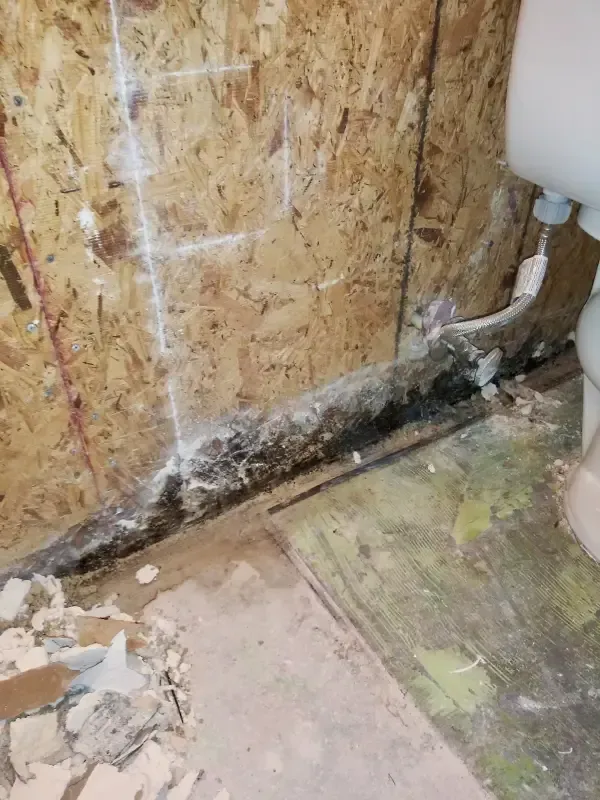
Plumbing leaks in Satellite Beach homes can cause hidden water damage, creating the perfect conditions for black mold growth. Even small, slow leaks behind walls, under floors, or around pipes can allow moisture to accumulate, often going unnoticed for weeks or months. Black mold, or Stachybotrys chartarum, is particularly resilient in warm, humid environments, making coastal homes in Florida highly susceptible.
Understanding the early signs of mold, conducting professional inspections, and performing timely remediation are essential steps to prevent structural damage, maintain indoor air quality, and protect residents’ health. This guide provides a comprehensive look at black mold removal in Satellite Beach homes after plumbing leaks.
Why Plumbing Leaks Lead to Black Mold
Water is the primary factor in mold growth. Even minor leaks can create ideal conditions for mold colonies, particularly in hidden areas. Common locations include:
- Behind walls and drywall – Leaks from pipes within walls can soak insulation and wooden studs.
- Under flooring – Water from slow leaks can seep under hardwood, laminate, or vinyl floors.
- Cabinets and vanities – Kitchens and bathrooms often hide leaking pipes that affect baseboards and cabinetry.
- Crawl spaces and basements – Leaks from water lines or HVAC systems may collect under the home.
In warm, humid climates like Satellite Beach, moisture can remain for extended periods, accelerating black mold growth. Mold spores, naturally present in homes, feed on cellulose-based materials and multiply quickly once dampness persists.
Common Causes of Plumbing Leaks in Coastal Homes
- Aging Pipes – Older homes may have corroded or weakened plumbing prone to leaks.
- High Water Pressure – Excessive pressure can cause pipe joints to fail.
- Faulty Fixtures – Loose faucets, toilets, and valves can allow water to escape.
- Pipe Damage from Construction or Pests – Rodents or contractors may unintentionally compromise plumbing lines.
- Storm Impact – Heavy rains or flooding can exacerbate leaks and hidden water accumulation.
Identifying the source of the leak is critical for effective mold removal and preventing recurrence.
Early Signs of Black Mold After Plumbing Leaks
Homeowners should be alert to the following warning signs:
- Musty or Earthy Odors – Persistent smells often indicate hidden mold growth.
- Discoloration or Staining – Dark patches on walls, ceilings, or baseboards signal moisture intrusion.
- Warping or Bubbling Surfaces – Wood, laminate, or drywall may warp or separate due to water exposure.
- Visible Black or Green Mold – Spots on drywall, under sinks, or around plumbing indicate contamination.
- Persistent Dampness – Moist areas near leaks or under cabinets are high-risk zones.
- Health Symptoms – Coughing, sneezing, or eye irritation may suggest airborne spores.
Recognizing these early signs enables homeowners to act quickly, preventing more extensive damage.
Professional Mold Inspection Process
A professional mold inspection after a plumbing leak ensures that hidden contamination is identified and properly addressed.
Step 1: Visual Assessment
- Inspect affected areas such as walls, ceilings, floors, and cabinets.
- Pay attention to damp insulation, warped materials, and visible mold.
Step 2: Moisture Detection
- Moisture meters and hygrometers measure the water content in building materials.
- Thermal imaging identifies hidden water accumulation behind walls or under floors.
Step 3: Air and Surface Sampling
- Air samples determine the concentration of mold spores circulating indoors.
- Surface samples confirm the type and extent of mold present.
Step 4: Reporting and Recommendations
- Inspectors provide a detailed report highlighting affected areas, moisture sources, and recommended remediation steps.
- Recommendations may include black mold removal, material replacement, duct cleaning, and plumbing repair.
Black Mold Removal Process
Once mold is detected, professional remediation follows a structured process to ensure safety and effectiveness:
Containment
- Seal the affected areas using barriers and negative air pressure systems to prevent spores from spreading.
- Protect surrounding areas, including furniture, flooring, and HVAC systems.
Removal of Contaminated Materials
- Porous materials such as drywall, insulation, and carpet may need removal if heavily infested.
- Non-porous surfaces are cleaned with antimicrobial treatments.
Cleaning and Sanitization
- HEPA vacuums, air scrubbers, and professional-grade cleaning agents remove mold spores and debris.
- HVAC ductwork may be cleaned to prevent secondary contamination.
Drying and Dehumidification
- Industrial fans and dehumidifiers remove residual moisture from the home.
- Continuous monitoring ensures materials are fully dry before completing restoration.
Post-Remediation Verification
- Professionals inspect the property to confirm mold has been eradicated.
- Homeowners receive guidance on monitoring and preventing future mold growth.
Costs of Black Mold Removal
Costs vary depending on the size of the affected area, extent of contamination, and materials involved:
- Small Areas – $500–$1,500 for minor, localized mold growth.
- Moderate Damage – $1,500–$5,000 for multiple rooms or moderate infestation.
- Severe or Widespread Damage – $5,000–$15,000+ for extensive contamination requiring structural repair and material replacement.
Early detection and prompt remediation significantly reduce overall costs and property damage.
Preventive Measures for Homeowners
- Promptly Repair Plumbing Leaks – Address leaks as soon as they are discovered.
- Maintain Proper Ventilation – Bathrooms, kitchens, and laundry areas should be well-ventilated.
- Control Indoor Humidity – Use dehumidifiers to maintain humidity levels below 50%.
- Inspect Attics and Crawl Spaces – Check for hidden moisture after plumbing repairs or storms.
- Monitor HVAC Systems – Ensure air ducts are clean and free of moisture accumulation.
- Routine Professional Inspections – Schedule inspections after leaks or water intrusion events.
These preventive strategies reduce the likelihood of mold recurrence and protect indoor air quality.
Benefits of Professional Black Mold Removal
- Health Protection – Reduces exposure to spores, allergens, and microbial contaminants.
- Structural Integrity – Prevents damage to walls, ceilings, and flooring.
- Improved Indoor Air Quality – Removes airborne mold spores circulating through the home.
- Long-Term Prevention – Addresses moisture sources and applies treatments to prevent regrowth.
- Property Value Preservation – Ensures homes remain safe, healthy, and marketable.
Why Local Expertise Matters
Satellite Beach homeowners benefit from local professionals who understand:
- Florida’s coastal climate, high humidity, and storm patterns
- Construction vulnerabilities in coastal homes, including older homes and slab foundations
- Advanced mold inspection and removal techniques
- Effective prevention strategies tailored to humid, storm-prone environments
Local expertise ensures that mold removal is thorough, safe, and customized to the specific needs of Satellite Beach homes.
Conclusion
Plumbing leaks in Satellite Beach homes are a common source of black mold growth. Hidden moisture behind walls, under floors, and around cabinets creates ideal conditions for colonies to develop, potentially damaging building materials and affecting indoor air quality.
Early detection through professional mold inspection is critical. The inspection process includes visual assessment, moisture detection, air and surface sampling, and reporting. When mold is identified, professional remediation involves containment, removal of contaminated materials, cleaning, drying, and verification.
Preventive strategies such as prompt leak repair, ventilation, humidity control, and routine inspections help homeowners reduce the risk of mold recurrence. Engaging local experts ensures that black mold removal is effective, protecting both property and resident health in Satellite Beach coastal homes.