
Warning Signs and Prevention: Moisture Detection in Merritt Island after Hurricanes
Hurricane season is a reality for homeowners in Merritt Island and surrounding Brevard County communities. Even when homes escape major structural damage, storms frequently leave behind hidden moisture that continues to affect properties long after winds and rain have passed.
Many homeowners focus on visible cleanup after storms, but unseen moisture often remains trapped inside walls, ceilings, and flooring. Without proper moisture detection and drying, mold growth and structural damage can begin within days.
Understanding warning signs and knowing how moisture detection helps after hurricanes allows homeowners to prevent long-term problems and protect their homes.
How Hurricanes Leave Hidden Moisture Behind
During hurricanes, homes can experience water intrusion from multiple sources at the same time.
Water commonly enters through:
• Roof damage or missing shingles
• Wind-driven rain through windows and doors
• Overflowing gutters and drainage systems
• Flooding from storm surge or heavy rainfall
• Plumbing failures caused by pressure changes
Even when water intrusion seems minor, moisture often spreads through building materials.
Water may soak into:
• Drywall and insulation
• Flooring and subfloors
• Wood framing
• Cabinets and closets
• HVAC duct systems
Because these areas are hidden, moisture frequently remains long after surfaces appear dry.
Why Merritt Island Homes Face Greater Moisture Risks
Homes in Merritt Island, Cocoa Beach, and nearby coastal communities face higher storm exposure than many inland areas.
Several factors increase moisture risks:
• Coastal location exposed to strong storms
• Heavy seasonal rainfall
• High humidity slowing natural drying
• Older roofing materials in some neighborhoods
• Homes built close to sea level
Even homes built to modern standards may experience small leaks during hurricanes that go unnoticed until later.
Moisture trapped after storms becomes one of the biggest risks to homes.
Warning Signs Moisture Is Still Present
After hurricanes, homeowners often assume their homes are safe once visible water disappears. However, hidden moisture usually reveals itself through subtle warning signs.
Common warning signs include:
• Musty odors appearing days after storms
• Peeling paint or bubbling drywall
• Ceiling or wall stains forming
• Warped or soft flooring areas
• Persistent indoor humidity
• Mold spots forming near vents or corners
• Increased allergy irritation indoors
These signs indicate moisture remains somewhere inside the home.
Ignoring symptoms allows mold growth and structural damage to worsen.
Hidden Areas Commonly Affected After Hurricanes
Moisture rarely stays where it first enters. It often travels through concealed areas.
Common hidden moisture locations include:
• Inside wall cavities
• Beneath flooring materials
• Attic insulation and roof decking
• Crawl spaces beneath homes
• Behind cabinets and storage areas
• Inside HVAC duct systems
Because these areas are not visible, moisture often goes undetected until inspections occur.
Professional moisture detection services help uncover these hidden issues.
Why DIY Drying Often Fails
Homeowners often attempt to dry homes using fans or household dehumidifiers after storms. While these methods help dry surfaces, they rarely remove moisture trapped inside structures.
DIY drying usually misses:
• Moisture behind walls
• Wet insulation
• Damp structural framing
• Water beneath flooring layers
• Moisture inside ducts
Without professional drying, mold can begin developing within days.
Professional detection equipment helps locate and eliminate hidden moisture.
How Professional Moisture Detection Works
Moisture detection professionals use specialized tools to locate hidden water without unnecessary demolition.
Inspection methods typically include:
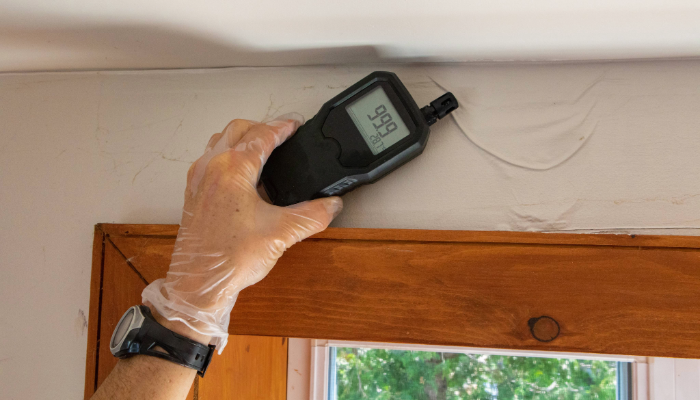
• Moisture meter readings behind walls and floors
• Infrared thermal imaging scans
• Humidity measurements throughout the home
• Inspection of attics and crawl spaces
• HVAC system evaluation
These tools allow technicians to identify moisture patterns invisible to homeowners.
Local professionals familiar with Merritt Island homes, including Palm Bay Mold Removal, understand how hurricane water spreads through coastal homes and where moisture often hides.
Mold Growth After Hurricane Moisture
Mold growth becomes one of the biggest risks after hurricanes. Florida’s warm climate accelerates mold development when moisture remains.
Common mold growth locations include:
• Behind drywall
• Under carpets and flooring
• Inside closets and cabinets
• Around vents and air handlers
Once mold spreads, remediation becomes more complex and costly.
Early moisture detection helps prevent contamination before it becomes widespread.
Proper Mold Removal and Remediation Steps
If mold is discovered, remediation focuses on removing contamination and preventing recurrence.
Remediation often includes:
• Containment of affected areas
• Removal of contaminated materials
• Cleaning and sanitizing surfaces
• Structural drying
• Repairing moisture sources
Proper remediation ensures mold does not return after cleanup.
Correcting moisture sources remains critical.
HVAC Systems and Post-Storm Moisture Problems
Hurricanes often impact attic areas where HVAC systems and ductwork are located.
Moisture may affect:
• Duct insulation
• Air handler components
• Ceiling cavities around ducts
• Drainage systems
If ducts remain damp, mold spores can circulate throughout the home.
Professional inspections ensure HVAC systems remain safe after storms.
Preventing Future Moisture Problems
Homeowners can reduce future hurricane damage risks by taking preventive measures.
Helpful prevention steps include:
• Inspecting roofs annually
• Maintaining gutters and drainage systems
• Checking homes for leaks after storms
• Servicing HVAC systems regularly
• Monitoring indoor humidity levels
• Sealing windows and doors properly
Routine inspections often catch problems early.
Prevention remains far less expensive than repairs.
Why Local Experience Matters
Homes across Merritt Island, Palm Bay, Rockledge, and nearby communities share common construction patterns and environmental challenges.
Local professionals understand:
• Coastal storm damage patterns
• Humidity impacts on drying times
• Construction materials common locally
• Moisture behavior in coastal homes
Experience with regional housing allows faster detection and practical solutions.
Local knowledge ensures repairs address root causes rather than temporary symptoms.
Acting Early Protects Homes and Comfort
Hurricanes often leave hidden moisture behind, even when homes appear undamaged. Acting quickly prevents mold growth and long-term structural damage.
If your home smells musty, shows stains, or feels unusually humid after storms, professional moisture detection can uncover hidden problems before damage spreads further.
Trusted local professionals such as Palm Bay Mold Removal help homeowners understand moisture risks and guide restoration steps that protect homes long after hurricane season ends.
Taking early action keeps Merritt Island homes safer, healthier, and protected from long-term storm damage.