
How Water Damage Restoration Helps Homes in Merritt Island After Storm Damage
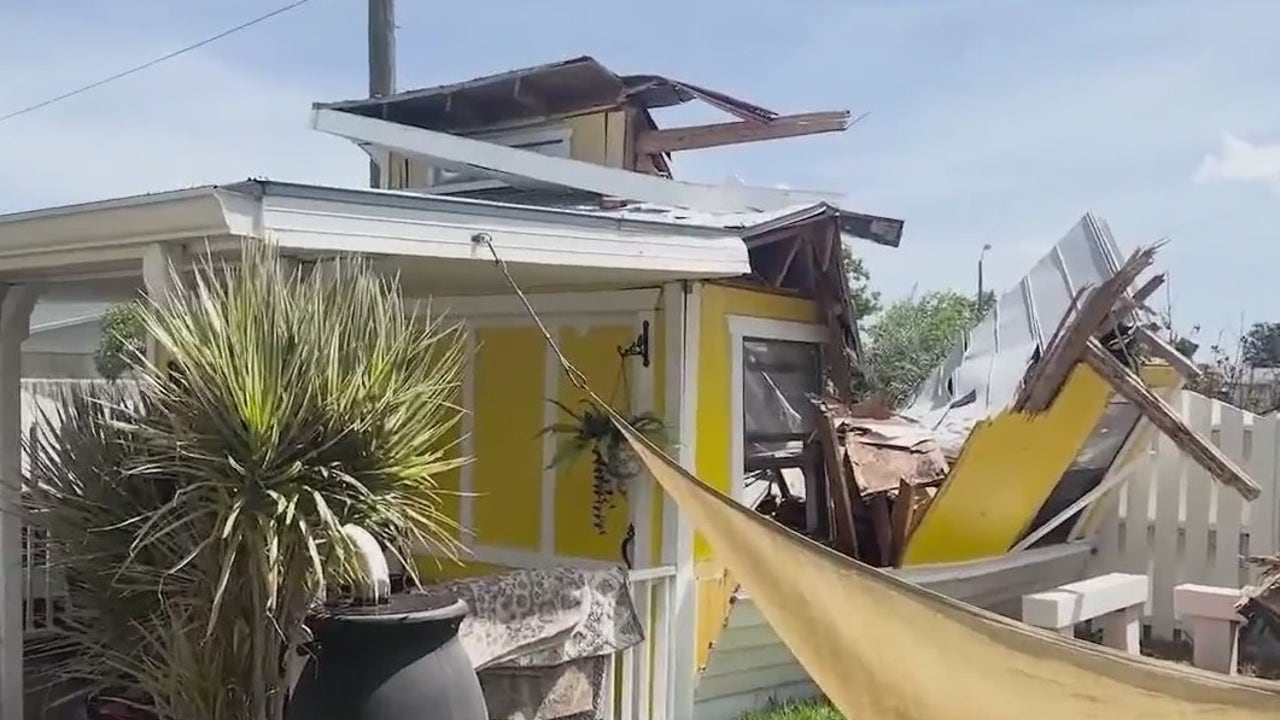
Storm damage in Merritt Island can wreak havoc on homes, introducing water into walls, floors, attics, and crawl spaces. Heavy rainfall, hurricanes, and localized flooding often result in water intrusion that, if not addressed promptly, can lead to structural damage, mold growth, and long-term property deterioration. Water damage restoration is the most effective way to minimize these risks, restore affected areas, and protect both property and residents.
This guide explains how water damage restoration helps Merritt Island homes after storm events, highlighting common causes, warning signs, the restoration process, costs, and preventive measures.
Why Storms Cause Water Damage in Merritt Island Homes
Merritt Island’s coastal location exposes homes to a combination of environmental factors:
- Heavy Rainfall and Hurricanes – Intense storms can cause roof leaks, flooding, and water intrusion through doors and windows.
- High Humidity – Moisture-laden air exacerbates water absorption in building materials, increasing the risk of mold growth.
- Flood-Prone Areas – Low-lying neighborhoods may experience surface water accumulation that seeps into basements or crawl spaces.
- Aging Infrastructure – Older homes may have compromised roofing, siding, or drainage systems, making them more vulnerable.
- AC and Plumbing Vulnerabilities – Condensation, plumbing leaks, or blocked drains can contribute to water accumulation during storms.
Even minor leaks or localized flooding can escalate quickly, causing hidden damage to walls, flooring, and insulation if not promptly addressed.
Common Water Damage Sources During Storms
- Roof Leaks – Missing shingles, damaged flashing, or compromised roof structures allow water to enter attics and ceilings.
- Window and Door Seals – Floodwaters or wind-driven rain can penetrate seals, causing water to pool around frames.
- Plumbing Failures – Pipes may crack or burst under storm conditions, adding to water accumulation.
- Basement or Crawl Space Flooding – Heavy rains can cause water to seep through foundations or vents.
- AC Condensation Overflow – Storm-related power fluctuations or high humidity can cause AC systems to leak.
Identifying the source of water is crucial for effective restoration and to prevent repeat issues.
Early Signs Homeowners Should Watch For
Early detection of water damage is essential to prevent structural damage and mold growth. Homeowners should be alert to:
- Water Stains or Discoloration – Yellow, brown, or dark patches on walls, ceilings, or flooring indicate water intrusion.
- Warping or Bubbling Materials – Wood, laminate, or vinyl flooring may warp or lift due to moisture absorption.
- Musty Odors – Lingering damp smells suggest hidden water and potential mold growth.
- Pooling Water or Damp Areas – Obvious water accumulation in basements, crawl spaces, or around plumbing.
- Sagging Ceilings or Walls – Structural compromise from absorbed water can lead to sagging or cracks.
- Electrical Issues – Flickering outlets, short circuits, or tripped breakers may signal water near electrical systems.
Prompt professional assessment ensures minimal damage and faster recovery.
Professional Water Damage Restoration Process
Water damage restoration involves a structured approach to remove water, dry affected areas, and repair damage:
Step 1: Inspection and Assessment
- Professionals assess the extent of water intrusion and affected areas.
- Tools such as moisture meters, hygrometers, and thermal imaging help identify hidden water in walls, floors, and ceilings.
- Inspection reports outline the scope of work and prioritize restoration needs.
Step 2: Water Removal
- Standing water is extracted using industrial pumps and vacuums.
- Carpets, padding, and furniture may be removed to access and dry underlying materials.
- Quick water removal reduces secondary damage and prevents mold growth.
Step 3: Drying and Dehumidification
- Air movers, dehumidifiers, and heaters accelerate the drying process.
- Monitoring moisture levels ensures all surfaces, including walls, floors, and crawl spaces, are thoroughly dried.
Step 4: Cleaning and Sanitization
- Affected materials are cleaned to remove debris, dirt, and potential contaminants.
- Antimicrobial treatments prevent mold and bacterial growth.
- HVAC systems may also be inspected and cleaned if water intrusion affected ductwork.
Step 5: Repair and Restoration
- Structural repairs are completed, including drywall replacement, flooring repair, and painting.
- Electrical or plumbing systems are inspected and repaired as needed.
- The home is restored to pre-storm condition, both structurally and aesthetically.
Step 6: Post-Restoration Verification
- Professionals verify that all moisture has been removed and that no risk of mold remains.
- Homeowners receive guidance on monitoring and preventive measures for future storms.
Benefits of Water Damage Restoration
- Prevents Mold Growth – Rapid water removal and drying stop microbial growth.
- Preserves Structural Integrity – Repairs and reinforcement prevent long-term decay.
- Improves Indoor Air Quality – Eliminates lingering moisture and contaminants.
- Protects Health – Reduces exposure to mold spores, bacteria, and allergens.
- Restores Home Value – Proper restoration ensures the home remains safe and marketable.
Effective water damage restoration not only addresses immediate damage but also prevents secondary issues that could escalate costs and risks.
Costs of Water Damage Restoration in Merritt Island
Costs vary depending on the severity of water damage, size of the property, and affected materials:
- Minor Water Damage – $500–$1,500 for small leaks or localized flooding.
- Moderate Damage – $1,500–$5,000 for multiple rooms or moderate flooding.
- Severe or Extensive Damage – $5,000–$15,000+ for structural repairs, extensive mold prevention, or large-scale flooding.
Investing in professional restoration early minimizes costs and prevents long-term property deterioration.
Preventive Measures for Homeowners
- Maintain Roofs and Seals – Inspect shingles, flashing, windows, and doors regularly.
- Clear Gutters and Drains – Ensure water flows away from the foundation to reduce flooding risk.
- Inspect Plumbing and AC Systems – Repair leaks and ensure proper condensate drainage.
- Install Sump Pumps or Backflow Valves – Prevent water accumulation in basements or low-lying areas.
- Monitor Indoor Humidity – Use dehumidifiers to maintain levels below 50% indoors.
- Routine Property Inspections – Check attics, crawl spaces, and basements for moisture after storms.
Proactive maintenance reduces the likelihood of extensive water damage and costly restoration projects.
Why Local Expertise Matters
Merritt Island homeowners benefit from water damage restoration specialists familiar with:
- Florida’s coastal climate, hurricane patterns, and heavy rainfall
- Construction vulnerabilities in local homes, including older properties and slab foundations
- Advanced water extraction, drying, and mold prevention techniques
- Efficient restoration strategies that minimize property disruption
Local knowledge ensures timely, effective restoration tailored to regional weather and environmental conditions.
Conclusion
Storm damage in Merritt Island homes can introduce water into walls, floors, attics, and ductwork, leading to structural damage, mold growth, and indoor air quality problems. Prompt professional water damage restoration is essential to mitigate these risks.
The restoration process includes inspection, water extraction, drying, cleaning, repair, and post-restoration verification. Early detection and intervention prevent secondary damage and reduce costs. Preventive strategies, such as roof and plumbing maintenance, humidity control, and storm preparedness, help protect homes from future water intrusion.
Engaging local Merritt Island professionals ensures that restoration is thorough, effective, and tailored to the unique challenges of coastal homes, preserving both the property and the health of its occupants.