
Rockledge Moisture Detection from AC Condensation: Inspection and Repair Guide
In Rockledge, air conditioning isn’t seasonal. It’s constant.
AC systems run most of the year to fight Florida heat and humidity. But when condensation isn’t draining or ventilating properly, that same system designed to remove moisture can actually create it.
AC condensation problems are one of the most common hidden moisture issues in Rockledge homes. They rarely start with visible flooding. Instead, they develop slowly — damp drywall near vents, musty attic smells, soft ceiling spots, or elevated indoor humidity that never seems to improve.
Moisture detection is the key to catching these problems early. And knowing how inspection and repair work together helps prevent mold growth and structural damage.
If you own property in Rockledge, here’s what you need to know.
Why AC Condensation Causes Moisture Problems in Rockledge
Air conditioning systems remove moisture from indoor air. That moisture collects on evaporator coils and drains away through a condensate line.
When everything works properly, you never notice it.
But in Rockledge homes — especially older properties in Brevard County — several issues commonly interfere with that process:
- Clogged drain lines
- Dirty evaporator coils
- Cracked drain pans
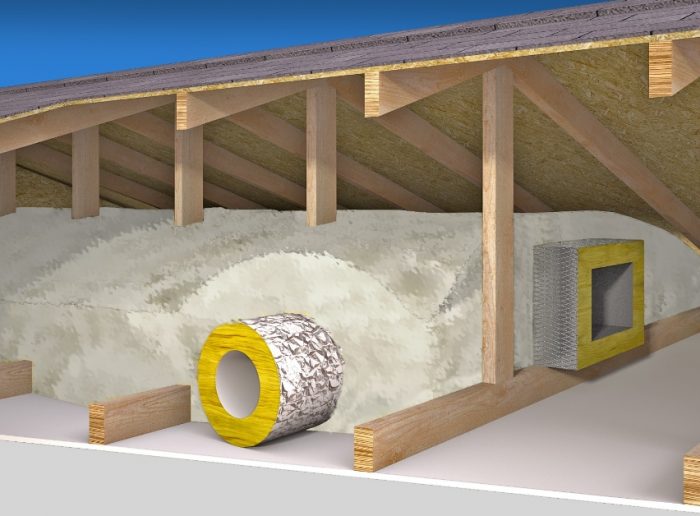
- Poorly insulated ductwork
- Oversized AC systems short cycling
- Attic humidity buildup
Florida’s high outdoor humidity makes these issues worse. Even minor airflow or drainage problems can lead to persistent condensation.
Over time, that moisture spreads into surrounding materials.
Common Signs of AC Condensation Moisture
Homeowners in Rockledge often notice subtle warning signs before they realize condensation is the cause.
Look for:
- Water stains on ceilings near vents
- Damp drywall below attic air handlers
- Musty odors when AC turns on
- Visible mold around vents
- Condensation on ductwork
- Elevated indoor humidity
- AC running constantly but home still feels damp
Because AC systems operate daily, condensation-related moisture can accumulate quickly.
Moisture detection confirms whether dampness is active and where it’s spreading.
Where Moisture Hides from AC Condensation
Condensation doesn’t always drip straight down.
It can affect:
Attics
Air handlers in attics often develop clogged drain lines. Overflow spreads into insulation and roof decking.
Ceiling Cavities
Water from cracked drain pans may seep into drywall below.
Ductwork
Poorly insulated ducts sweat in humid attic spaces.
Wall Cavities Near Returns
Condensation can form around return air ducts and spread behind drywall.
Without professional inspection, these areas remain damp longer than expected.
Palm Bay Mold Removal frequently performs moisture detection in Rockledge homes where AC condensation was the hidden source of recurring mold problems.
The Moisture Detection Process Explained
Professional moisture detection goes beyond visual inspection.
Step 1: Visual Assessment
Inspect air handlers, drain pans, duct insulation, ceiling areas, and surrounding walls.
Step 2: Moisture Meter Testing
Meters measure moisture content in drywall, insulation, and subfloors.
Step 3: Infrared Thermal Imaging
Thermal cameras detect temperature differences indicating hidden damp areas.
Step 4: Humidity Readings
Indoor humidity levels help determine if the AC system is dehumidifying properly.
Detection ensures that moisture problems are fully mapped before repair begins.
Why DIY Inspection Often Misses the Problem
Many homeowners assume condensation issues are minor.
They may:
- Replace air filters
- Clean visible vents
- Run household dehumidifiers
- Ignore small ceiling stains
The problem is that condensation often begins inside the attic air handler.
Without checking:
- Drain line flow
- Coil condition
- Drain pan integrity
- Duct insulation
… moisture continues spreading.
By the time visible damage appears, insulation and framing may already be affected.
Repairing AC Condensation Problems
Inspection identifies the cause. Repair resolves it.
Common repairs in Rockledge homes include:
- Clearing clogged drain lines
- Replacing cracked drain pans
- Cleaning evaporator coils
- Sealing duct leaks
- Adding duct insulation
- Adjusting system sizing or airflow
Air conditioning repair is often necessary to restore proper moisture removal.
If moisture has already affected surrounding materials, drying and possible mold remediation may be required.
When Mold Remediation Becomes Necessary
If condensation has persisted for several weeks, mold growth becomes likely.
Signs mold inspection may be needed include:
- Dark staining around vents
- Strong musty smell
- Mold on attic framing
- Recurring ceiling discoloration
Mold remediation includes containment, removal of contaminated materials, and controlled drying.
Early moisture detection significantly reduces the likelihood of extensive remediation.
Costs of Moisture Detection and Repair
Costs vary based on:
- Size of affected area
- Extent of condensation damage
- Need for attic insulation replacement
- AC system repairs required
- Mold involvement
General Cost Ranges
- Basic moisture inspection: lower range
- Inspection plus minor AC repair: moderate range
- Extensive drying and mold remediation: higher range
The longer condensation goes unchecked, the more expensive repairs become.
Early inspection keeps costs manageable.
Preventing AC Condensation Issues in Rockledge
Prevention requires routine maintenance.
Homeowners should:
- Service AC systems annually
- Clear condensate drain lines regularly
- Inspect attic duct insulation
- Keep indoor humidity below 55%
- Schedule periodic moisture detection
- Ensure attic ventilation is functioning properly
Homes across Rockledge, Palm Bay, Viera, and Merritt Island benefit from proactive HVAC maintenance due to shared humidity conditions.
Why Local Experience Matters
Rockledge’s climate presents specific challenges:
- High lagoon-influenced humidity
- Long cooling seasons
- Frequent summer storms
- Slab-on-grade construction
Understanding how moisture behaves in Brevard County homes allows inspections to focus on realistic risk areas.
Palm Bay Mold Removal has worked throughout Rockledge, Titusville, Satellite Beach, Melbourne, and Merritt Island addressing condensation-related moisture issues specific to Florida’s coastal climate.
Local knowledge improves accuracy.
Practical Tips for Property Owners
If you suspect AC condensation problems:
- Check for standing water near the air handler.
- Inspect ceiling areas near vents.
- Monitor indoor humidity levels.
- Avoid ignoring minor stains.
- Schedule professional moisture detection early.
Small condensation issues rarely resolve themselves.
A Calm Next Step
AC condensation moisture problems in Rockledge are common — and manageable when caught early.
A professional inspection can determine:
- Where moisture is present
- Whether mold risk exists
- What repairs are needed
- How to prevent recurrence
Florida humidity isn’t going away. With proper moisture detection and HVAC maintenance, condensation-related damage doesn’t have to become a recurring issue.