
A Local Homeowner Guide: Flood Restoration in West Melbourne in Residential Homes
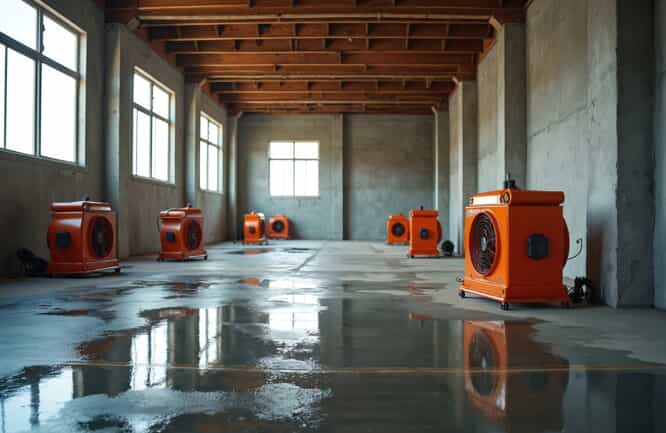
Flooding is one of the most stressful events a homeowner in West Melbourne can experience. Whether caused by heavy storms, hurricane rainfall, plumbing failures, or drainage issues, water can enter a home quickly and cause damage that continues long after standing water disappears.
Many homeowners focus on removing visible water but don’t realize that hidden moisture often remains inside walls, flooring, and structural materials. Without proper restoration, mold growth, odors, and structural damage can develop weeks or months later.
Understanding how professional flood restoration works—and how to prevent future problems—helps West Melbourne homeowners protect their homes and recover faster after water intrusion.
What Flooding Does Inside a Home
When floodwater enters a house, it spreads rapidly across floors and into walls, cabinets, and structural spaces. Even shallow flooding can cause serious damage.
Water often soaks into:
• Drywall and insulation
• Flooring and subfloors
• Wood framing and trim
• Cabinets and furniture
• HVAC ducts and vents
While surface water may be removed quickly, moisture remains trapped inside materials. In Florida’s humid climate, natural drying happens slowly, allowing mold growth and structural weakening to begin.
Flood damage rarely stops where water is visible.
Why Flooding Happens Frequently in West Melbourne
Homes across West Melbourne, Palm Bay, Melbourne, Rockledge, and nearby Brevard County communities experience flooding risks due to weather patterns and development conditions.
Common causes include:
• Heavy summer thunderstorms
• Hurricane rainfall and storm surge
• Overflowing drainage systems
• Poor yard grading around homes
• Roof leaks during storms
• Plumbing failures or appliance leaks
Older neighborhoods sometimes have drainage systems that struggle during heavy rain, while newer developments may still experience localized flooding during extreme storms.
Even homes that have never flooded before may experience water intrusion during unusually strong weather events.
Warning Signs Flood Damage Is Still Present
After cleanup, homeowners often believe the problem is solved. However, hidden moisture usually reveals itself through warning signs.
Common signs include:
• Musty odors appearing days after flooding
• Peeling paint or bubbling drywall
• Warped or soft flooring
• Ceiling or wall discoloration
• Increased indoor humidity
• Mold spots forming in corners or closets
• Persistent damp smells
These symptoms indicate moisture is still trapped somewhere inside the home.
Ignoring these early signs allows damage to spread.
Hidden Areas Commonly Affected by Flooding
Water often travels into spaces homeowners rarely inspect, creating hidden problems.
Common hidden moisture areas include:
• Inside wall cavities
• Beneath flooring materials
• Attic insulation after roof leaks
• Crawl spaces under homes
• Inside cabinets and closets
• HVAC ducts and ventilation spaces
Because these areas are concealed, moisture problems may continue even after visible areas dry.
Professional inspections help uncover hidden damage.
Why DIY Flood Cleanup Often Falls Short
Many homeowners attempt cleanup themselves using fans, wet vacuums, or household dehumidifiers. While helpful for small spills, these tools usually cannot remove moisture trapped deep inside structures.
DIY cleanup often misses:
• Moisture inside walls and insulation
• Water beneath flooring materials
• Damp structural framing
• Contaminated duct systems
Without professional drying, materials remain wet long enough for mold to begin growing.
Professional equipment is designed to remove hidden moisture thoroughly.
Step-by-Step Flood Restoration Process
Professional flood restoration follows a structured process designed to remove water, dry structures, and prevent future problems.
Step 1: Emergency Water Extraction
Technicians use commercial pumps and vacuums to remove standing water quickly. Fast extraction reduces damage and prevents further moisture spread.
Step 2: Damage Inspection and Moisture Detection
Moisture meters and infrared cameras help identify hidden wet areas inside walls and floors. This step determines what materials need drying or removal.
Step 3: Removal of Damaged Materials
Severely soaked materials may require removal, including:
• Wet drywall
• Insulation
• Carpet and padding
• Damaged cabinets
Removing contaminated materials prevents mold growth.
Step 4: Structural Drying and Dehumidification
Industrial air movers and dehumidifiers are placed strategically to dry structures thoroughly. Moisture levels are monitored until safe conditions are reached.
Step 5: Cleaning and Sanitizing
Floodwater can contain contaminants. Affected areas are cleaned and sanitized to ensure safe indoor conditions.
Step 6: Repairs and Restoration
Once drying is complete, repairs restore the home to normal condition, including drywall replacement, painting, and flooring repairs.
Local restoration teams, including Palm Bay Mold Removal, understand how floodwater spreads through Brevard County homes and how to dry them effectively.
Mold Growth After Flooding
Mold growth becomes one of the biggest risks after flood events. Florida’s warm climate accelerates mold development when moisture remains.
Common mold locations include:
• Behind drywall
• Under carpets and flooring
• Inside closets and cabinets
• Around vents and air handlers
Once mold spreads, remediation becomes more complex and costly.
Early drying prevents contamination from developing.
HVAC Systems and Flood Damage
Flooding often impacts HVAC systems, especially when water enters ceilings or attic spaces.
Moisture may affect:
• Duct insulation
• Air handler components
• Drainage systems
• Ceiling cavities around vents
If ducts remain damp, mold spores can circulate throughout the home.
HVAC inspections are often part of proper restoration efforts.
Preventing Future Flood Damage
Homeowners can reduce future risks by taking preventive steps after restoration.
Helpful prevention strategies include:
• Inspecting roofs regularly
• Cleaning gutters and drainage paths
• Improving yard grading away from foundations
• Installing sump pumps where needed
• Maintaining plumbing and appliances
• Checking homes after storms
Routine maintenance often prevents future intrusion.
Why Local Experience Matters in West Melbourne
Homes throughout West Melbourne, Palm Bay, Melbourne, and surrounding Brevard County communities share common construction patterns and climate challenges.
Local professionals understand:
• Flood patterns in local neighborhoods
• Coastal humidity impacts
• Construction materials used locally
• Storm-related water intrusion behavior
Local experience allows faster detection and practical solutions tailored to regional housing conditions.
Acting Quickly Reduces Long-Term Damage
Flood damage can feel overwhelming, but quick action prevents long-term problems. Removing water quickly and drying structures properly protects homes from mold growth and structural damage.
If your home in West Melbourne has experienced flooding or storm intrusion, a professional inspection can reveal hidden moisture before it causes future issues.
Trusted local teams such as Palm Bay Mold Removal help homeowners understand restoration needs and guide them through recovery that protects homes long after storms pass.
Taking early action keeps residential homes safer, healthier, and structurally sound after flood events.