
Duct Cleaning in Cocoa Beach in Rental Properties: Inspection and Repair Guide
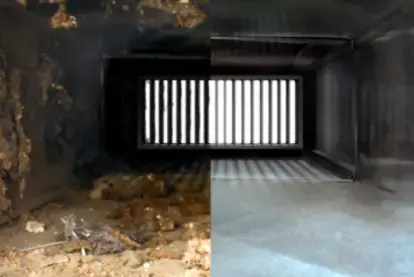
Rental properties in Cocoa Beach face unique challenges when it comes to maintaining clean and safe indoor air. High humidity, frequent storms, and aging HVAC systems can contribute to dust, mold, and microbial growth inside air ducts. Duct cleaning in rental properties is not just a maintenance task—it is an essential step to protect tenants’ health, ensure proper HVAC function, and prevent property damage.
This guide provides a comprehensive look at duct cleaning for rental homes in Cocoa Beach, including early warning signs, inspection techniques, professional cleaning methods, costs, and preventive strategies.
Why Duct Cleaning Matters in Rental Properties
Air ducts circulate air throughout a property, meaning any contamination inside the system affects every room. In rental properties, multiple tenants, varying lifestyles, and sometimes delayed maintenance can exacerbate indoor air quality (IAQ) issues.
Key reasons duct cleaning is essential:
- Mold Prevention – Moisture from AC systems or leaks can promote mold growth.
- Dust and Debris Removal – High-traffic rental homes often accumulate more dirt in ductwork.
- HVAC Efficiency – Blocked ducts reduce airflow, increasing energy consumption and system strain.
- Tenant Health Protection – Removing allergens, dust, and spores improves air quality and reduces complaints.
- Property Value Preservation – Clean, well-maintained HVAC systems prevent costly repairs and maintain rental appeal.
Common Causes of Contaminated Ducts
Rental properties in Cocoa Beach often experience the following sources of duct contamination:
- Plumbing Leaks – Water infiltration from leaking pipes can reach ductwork in walls or ceilings.
- AC Condensation and Drain Issues – Poorly maintained condensate lines can leak into ducts or surrounding spaces.
- Flooding or Storm Damage – Coastal homes may experience water intrusion, depositing debris and moisture into ducts.
- Poor Ventilation – Inadequate airflow allows dust, moisture, and microbial growth to accumulate.
- Tenant Activity – Cooking, pets, smoking, or cluttered areas increase dust and particulate matter in the home.
Identifying the source of contamination is crucial to ensure cleaning is effective and long-lasting.
Early Warning Signs of Duct Contamination
Landlords and property managers should watch for these signs:
- Musty or Moldy Odors – Indicates mold or microbial growth inside the duct system.
- Visible Mold or Dust Buildup – Around vents, registers, or HVAC units.
- Increased Tenant Complaints – Respiratory irritation, allergies, or persistent odors.
- HVAC Performance Decline – Uneven airflow, weak air output, or increased energy bills.
- Water Stains or Condensation – Moisture around registers or ducts signals potential mold risk.
Early detection helps prevent extensive cleaning costs and tenant health issues.
Professional Duct Inspection Process
A professional duct inspection is the first step in effective maintenance:
Step 1: Visual Assessment
- Inspect all accessible ducts, registers, vents, and HVAC components for dust, mold, or moisture.
- Focus on high-risk areas like crawl spaces, attics, and behind walls where leaks may occur.
Step 2: Moisture Measurement
- Use moisture meters and hygrometers to detect damp areas inside or around ductwork.
- Thermal imaging can help identify hidden water accumulation in walls or ceilings.
Step 3: Air and Surface Sampling
- Air samples can determine the concentration of dust, mold spores, and allergens.
- Surface samples are taken from duct interiors or registers to confirm contamination.
Step 4: Reporting and Recommendations
- Inspectors provide a detailed report outlining the extent of contamination, potential sources, and prioritized cleaning or repair strategies.
- Recommendations may include duct cleaning, mold remediation, AC maintenance, or leak repairs.
Professional Duct Cleaning Steps
Cleaning ductwork in rental properties requires specialized techniques and equipment:
Step 1: Containment
- Seal work areas to prevent dust and spores from spreading to occupied spaces.
- Protect furniture, flooring, and personal items from debris.
Step 2: Mechanical Cleaning
- High-powered vacuums, rotary brushes, and compressed air tools remove dust, debris, and microbial growth from all duct surfaces.
- Special attention is given to bends, corners, and long ducts where debris accumulates.
Step 3: Sanitization
- Apply antimicrobial treatments to prevent mold regrowth.
- Ensure that registers, plenums, and HVAC components are free from contaminants.
Step 4: Drying and Verification
- Industrial fans and dehumidifiers dry ducts completely to prevent future mold growth.
- Moisture readings are taken to confirm that all areas are fully dry.
Step 5: Post-Cleaning Inspection
- Verify that all ductwork is clean, dry, and safe for tenant occupancy.
- Provide property owners with maintenance guidelines to prevent future contamination.
Costs of Duct Cleaning in Rental Properties
Pricing varies based on property size, contamination level, and complexity of the duct system:
- Small Homes or Light Cleaning – $300–$600
- Medium Homes or Moderate Contamination – $600–$1,200
- Large Homes or Severe Contamination – $1,200–$3,000+
Regular maintenance reduces the likelihood of costly mold remediation or HVAC repairs.
Preventive Measures for Rental Property Owners
- Routine HVAC and Duct Inspections – Annual inspections help detect early signs of contamination.
- Prompt Plumbing Repairs – Fix leaks immediately to prevent moisture accumulation.
- Humidity Control – Maintain indoor humidity below 50% using dehumidifiers or HVAC systems.
- Tenant Education – Encourage tenants to report leaks, odors, or HVAC issues promptly.
- Filter Replacement – Regularly change HVAC filters to prevent dust and particulate buildup.
- Proper Ventilation – Ensure bathrooms, kitchens, and utility areas are well-ventilated.
Proactive strategies reduce health risks, improve tenant satisfaction, and extend HVAC lifespan.
Benefits of Professional Duct Cleaning
- Improved Indoor Air Quality – Reduces airborne allergens, mold spores, and dust circulation.
- Tenant Health Protection – Minimizes respiratory issues and allergy triggers.
- Enhanced HVAC Efficiency – Clean ducts improve airflow, reducing energy costs.
- Structural Protection – Prevents mold and moisture damage to building materials.
- Long-Term Cost Savings – Reduces the need for expensive mold remediation and repairs.
Local Expertise Matters
Cocoa Beach rental properties benefit from local professionals who understand:
- Florida’s humid, coastal climate and storm patterns
- Common construction vulnerabilities in coastal rental homes
- Advanced duct cleaning, inspection, and moisture detection techniques
- Preventive strategies tailored to high-humidity rental properties
Local expertise ensures that duct cleaning is effective, efficient, and designed to address Cocoa Beach’s environmental challenges.
Conclusion
Duct cleaning in Cocoa Beach rental properties is essential to maintain healthy indoor air, protect tenants, and preserve property value. Plumbing leaks, AC condensation, storms, and high humidity can all contribute to dust, mold, and microbial contamination in duct systems.
Professional duct cleaning includes inspection, mechanical cleaning, sanitization, and post-cleaning verification. Early detection of warning signs—such as musty odors, visible mold, dust accumulation, and reduced HVAC performance—ensures timely intervention.
By implementing preventive measures, including routine inspections, plumbing maintenance, humidity control, and tenant education, property owners can maintain clean ducts, prevent mold growth, and provide safe, healthy rental environments. Engaging local Cocoa Beach experts ensures that cleaning is thorough, effective, and suited to the unique challenges of coastal homes.