
How Mold Removal Helps Homes in Satellite Beach After Hurricanes
Living in Satellite Beach means accepting hurricane season as part of life.
Strong winds. Horizontal rain. Storm surge nearby. Days of heavy moisture in the air even after the storm has passed.
But here’s what many homeowners don’t realize — the real damage often starts after the hurricane is over.
Water intrusion combined with coastal humidity creates ideal conditions for mold growth. And in a place like Satellite Beach, where salt air and moisture are constant factors, mold can spread faster than expected.
Professional mold removal isn’t just about cleaning dark spots off a wall. It’s about protecting the structure of your home after storm-related moisture has worked its way inside.
If your home has experienced hurricane conditions, here’s how mold removal plays a critical role in recovery.
Why Hurricanes Create Mold Problems in Satellite Beach
Hurricanes affect homes in multiple ways:
- Roof damage from wind
- Rain forced under shingles
- Window seal failures
- Sliding glass door intrusion
- Flooding from heavy rainfall
- Elevated indoor humidity for days
In coastal communities like Satellite Beach, wind-driven rain often enters through areas that would never leak during normal storms.
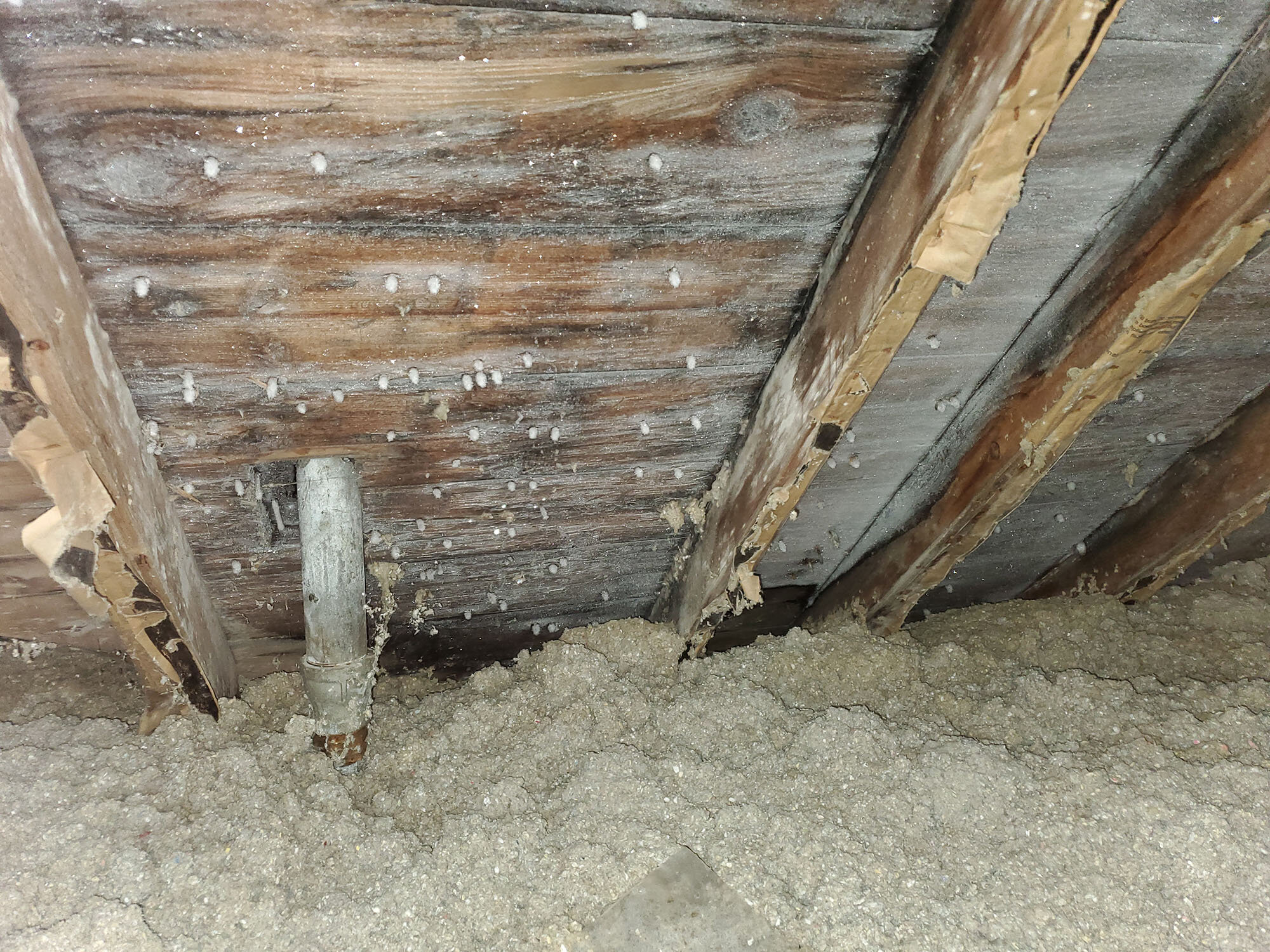
Even minor roof lifting can allow moisture into attic insulation. Once insulation gets wet, it traps humidity against wood framing.
Add Florida’s post-storm humidity — and mold growth can begin within 24 to 48 hours.
Common Post-Hurricane Mold Scenarios
After hurricanes, homeowners in Satellite Beach often report:
- Musty odors days later
- Ceiling stains appearing after the storm
- Discoloration along baseboards
- Mold growth in closets
- Damp carpet near exterior walls
- AC systems running constantly but indoor air still feels heavy
Sometimes visible water never pooled. Instead, moisture infiltrated slowly and settled into materials.
Without professional moisture detection, hidden mold growth goes unnoticed until it spreads.
Where Mold Hides After a Hurricane
Mold doesn’t just grow on visible walls.
After hurricane-related moisture, it often develops in:
Attics
Wet insulation and roof decking create ideal growth conditions.
Wall Cavities
Water entering through siding or windows can travel inside drywall.
Under Flooring
Laminate and hardwood trap moisture beneath the surface.
Air Duct Systems
High humidity and attic moisture can affect duct insulation and interior air lines.
Air duct cleaning may become necessary if contamination spreads through the HVAC system.
How Professional Mold Removal Helps
Mold removal after hurricanes focuses on three main goals:
- Removing active contamination
- Correcting moisture sources
- Preventing recurrence
Here’s how the process typically works in Satellite Beach homes.
Step 1: Mold Inspection and Moisture Detection
Before removal begins, a professional mold inspection determines:
- Where mold is present
- How far it has spread
- What materials are affected
- Where moisture originated
Moisture meters and infrared tools help identify damp areas inside walls and ceilings.
Palm Bay Mold Removal frequently performs hurricane-related inspections in Satellite Beach and surrounding areas like Cocoa Beach, Merritt Island, and Rockledge.
Clarity comes before action.
Step 2: Containment and Air Filtration
During remediation, affected areas are sealed to prevent spores from spreading.
HEPA air scrubbers remove airborne particles while work is underway.
This controlled approach keeps contamination from moving into unaffected rooms.
Step 3: Removal of Contaminated Materials
In some cases, materials like:
- Wet drywall
- Insulation
- Carpet padding
… must be removed.
This is especially common when hurricane water entered attic spaces or exterior walls.
Removal is targeted — not excessive. The goal is to eliminate mold while preserving as much structure as possible.
Step 4: Structural Cleaning and Drying
After contaminated materials are addressed, structural components such as framing and subfloors are professionally cleaned.
Controlled drying ensures moisture levels return to normal.
Dehumidifiers and air movers remain in place until readings confirm safe conditions.
Step 5: Addressing Ventilation and Humidity
Hurricane-related mold problems often expose ventilation weaknesses.
Solutions may include:
- Improving attic airflow
- Sealing exterior penetrations
- Air conditioning repair
- Cleaning air ducts
- Clearing AC drain lines
Without correcting humidity issues, mold can return — even after thorough removal.
Costs of Mold Removal After Hurricanes
Costs depend on:
- Size of affected area
- Location of contamination
- Duration of moisture exposure
- Need for attic or duct cleaning
- Extent of material removal
General Cost Ranges
- Small isolated area: lower range
- Attic or multi-room involvement: moderate range
- Extensive structural contamination: higher range
The most significant cost factor is delay.
Homes in Satellite Beach that receive prompt water removal and mold inspection often avoid large-scale remediation.
Why DIY Mold Cleanup Is Risky After Hurricanes
After storms, some homeowners attempt to:
- Spray bleach on visible spots
- Paint over stains
- Remove small drywall sections themselves
The problem is that hurricane moisture rarely stays in one place.
Surface cleaning doesn’t address:
- Hidden wall contamination
- Damp insulation
- HVAC involvement
- Subfloor moisture
Disturbing mold without containment can spread spores throughout the home.
Professional remediation ensures controlled removal and proper drying.
The Role of Flood Restoration
In some cases, hurricane-related mold follows minor flooding.
Flood restoration typically includes:
- Emergency water removal
- Structural drying
- Carpet cleaning
- Moisture mapping
If drying is incomplete, mold develops afterward.
Combining flood restoration with mold inspection ensures both the water and the contamination are addressed.
Preventing Mold After Future Hurricanes
Satellite Beach homeowners can reduce risk by:
- Inspecting roofing annually
- Securing flashing and seals
- Monitoring attic ventilation
- Servicing AC systems
- Keeping indoor humidity below 55%
- Scheduling moisture detection after major storms
Even if no visible damage appears, post-hurricane inspections are a smart precaution in coastal communities.
Why Local Experience Matters
Hurricane-related mold in Satellite Beach is influenced by:
- Coastal wind patterns
- Salt air corrosion
- Lagoon humidity
- Construction styles common in Brevard County
Understanding how moisture behaves in slab homes and elevated properties makes remediation more precise.
Palm Bay Mold Removal has experience working throughout Satellite Beach, Titusville, Palm Bay, Melbourne, Viera, and Merritt Island — addressing both water intrusion and long-term moisture control.
Local knowledge ensures mold removal focuses on realistic risk areas.
A Practical Next Step for Satellite Beach Homeowners
If your home experienced hurricane conditions and you notice:
- Musty odors
- Stains
- Elevated humidity
- Visible mold
… a professional mold inspection is the right first step.
Mold removal after hurricanes isn’t about fear. It’s about protecting the structure and stability of your home in a demanding coastal climate.
With proper inspection, controlled remediation, and improved moisture management, your Satellite Beach home can recover fully — and remain protected long after hurricane season ends.