
Indoor Air Quality Improvement in Titusville After Flooding: Costs, Causes, and Solutions
Flooding in Titusville doesn’t just damage floors and drywall.
It changes the air inside your home.
After heavy rains, tropical systems, or plumbing failures, most homeowners focus on visible water. But once the standing water is removed, a second issue begins — indoor air quality.
Lingering humidity, trapped moisture, damp materials, and contaminated air systems can leave homes feeling heavy, musty, and uncomfortable long after the water is gone.
If you’ve experienced flooding in Titusville, understanding how to restore indoor air quality properly can protect both your property and your long-term maintenance costs.
Why Flooding Impacts Indoor Air Quality
When water enters a home, it saturates more than surfaces.
It affects:
- Insulation
- Drywall
- Subflooring
- Carpets and padding
- HVAC systems
- Air ducts
As materials absorb moisture, they release it slowly back into the air. This raises indoor humidity levels and creates conditions where mold and bacteria can develop.
In Titusville’s already humid climate, this problem intensifies.
Even after water removal, air can remain damp and contaminated without proper drying and filtration.
Common Causes of Poor Indoor Air Quality After Flooding
1. Trapped Moisture in Building Materials
Wet drywall and insulation release moisture for days. If not fully dried, they become long-term humidity sources.
2. Mold Growth
Mold can begin developing within 24–48 hours in Florida conditions. Once active, spores circulate through indoor air.
3. Contaminated Carpets and Flooring
Floodwater may carry debris or bacteria. If carpet cleaning and sanitation are incomplete, odors and airborne particles remain.
4. HVAC System Contamination
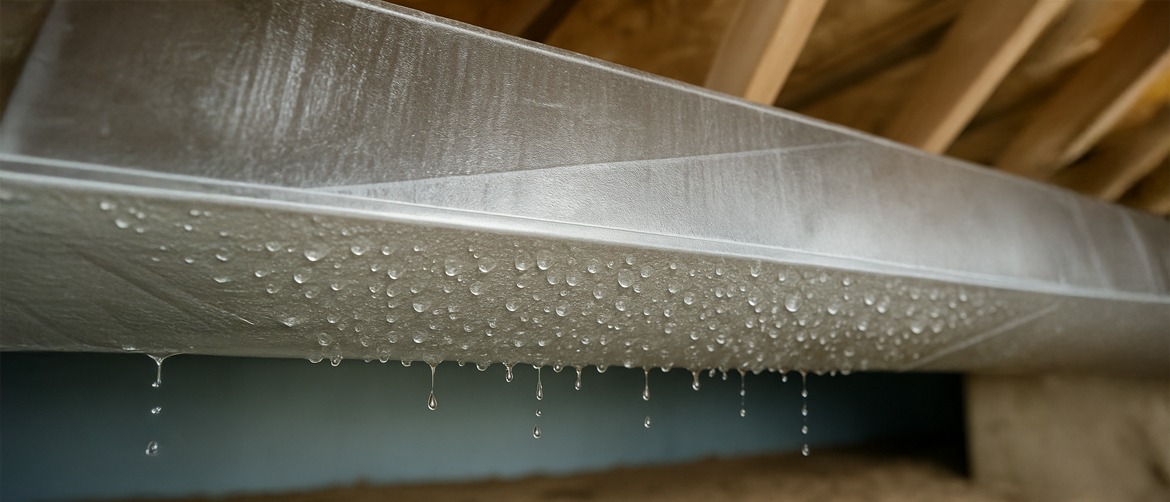
Flood-related humidity can spread through air ducts. If moisture reaches duct insulation or coils, mold may form inside the system.
5. Poor Ventilation
Homes in Titusville often remain closed during storms. Without fresh air exchange, humidity builds rapidly.
Why Titusville Homes Face Greater Risk
Titusville’s coastal influence means humidity rarely drops significantly — even after storms pass.
We deal with:
- Lagoon-influenced moisture levels
- Heavy afternoon rain cycles
- Warm temperatures year-round
- AC systems running constantly
After flooding, outdoor air doesn’t provide much relief. It’s often just as humid as indoor air.
Homes in nearby Merritt Island, Rockledge, and Cocoa Beach experience similar conditions, but Titusville properties with older ventilation systems are particularly vulnerable.
Without structured indoor air quality improvement, moisture lingers longer.
Signs Indoor Air Quality Has Been Affected
After flooding, homeowners often notice:
- Persistent musty odor
- Air feeling heavy or damp
- Increased allergy irritation
- Visible condensation on vents
- AC running constantly
- Recurring mold spots
Sometimes, even after visible repairs, the home doesn’t “feel” right.
That’s usually an air quality issue, not just a structural one.
What Indoor Air Quality Improvement Involves
Improving air quality after flooding requires more than opening windows.
A professional approach includes:
Moisture Detection
Identifying hidden damp areas inside walls, floors, and ceilings.
Structural Drying
Using commercial air movers and dehumidifiers to remove embedded moisture.
HEPA Air Filtration
Air scrubbers remove airborne mold spores and fine particles.
Carpet Cleaning and Sanitizing
If carpet was affected, deep cleaning and sanitation reduce contamination.
Air Duct Cleaning
If ducts were exposed to high humidity or moisture, cleaning may be necessary to prevent spore circulation.
Palm Bay Mold Removal frequently addresses both water damage and post-flood air quality issues in Titusville homes, ensuring that drying extends beyond surface materials.
Costs of Indoor Air Quality Improvement After Flooding
Costs vary depending on the severity of the flood and how quickly action was taken.
Factors That Affect Cost
- Size of the home
- Duration of moisture exposure
- Extent of mold growth
- HVAC system contamination
- Need for duct cleaning
- Structural repairs required
General Cost Ranges
- Basic drying and dehumidification: lower range
- Extended drying with air scrubbers: moderate range
- Mold remediation with air system cleaning: higher range
The longer moisture remains, the more complex the restoration becomes.
Early intervention significantly reduces overall expense.
When Mold Remediation Is Necessary
If indoor humidity remained elevated for more than 48 hours after flooding, mold growth becomes likely.
Signs remediation may be needed include:
- Visible mold patches
- Strong musty smell
- Elevated mold readings during inspection
- Discoloration in attic or duct areas
Mold remediation includes containment, material removal, structural cleaning, and post-remediation verification.
Addressing mold early prevents further air contamination.
HVAC and Air System Considerations
Air conditioning systems play a major role in post-flood recovery.
After flooding:
- Drain lines may clog
- Coils may accumulate moisture
- Ducts may retain condensation
Air conditioning repair may be necessary to restore proper dehumidification.
Air duct cleaning ensures that contaminated particles are not recirculated.
Without HVAC correction, indoor air quality improvements may not hold long-term.
Long-Term Solutions for Titusville Homes
Improving air quality permanently requires ongoing moisture control.
Homeowners can:
- Maintain indoor humidity below 55%
- Service AC systems annually
- Clean drain lines regularly
- Ensure proper attic ventilation
- Monitor crawl spaces
- Schedule periodic moisture detection checks
Homes throughout Titusville, Viera, Palm Bay, and Merritt Island benefit from consistent ventilation maintenance.
Flood restoration should always include a humidity management plan.
Why DIY Air Quality Fixes Often Fail
Homeowners sometimes try:
- Household fans
- Small dehumidifiers
- Scented sprays
- Replacing air filters only
These may improve odor temporarily but don’t remove embedded moisture or airborne spores effectively.
Without professional-grade dehumidifiers and HEPA filtration, humidity remains elevated longer than expected.
Air quality problems return quickly.
Why Local Experience Matters
Flooding in Titusville behaves differently than inland Florida.
We deal with:
- Prolonged high humidity
- Saturated soil conditions
- Coastal air influence
- Construction styles common in Brevard County
Understanding how moisture moves in slab homes, attics, and duct systems makes air quality improvement more accurate.
Palm Bay Mold Removal has worked across Titusville, Rockledge, Merritt Island, Satellite Beach, Cocoa Beach, and Palm Bay, handling flood restoration and moisture control specific to this region.
Local knowledge ensures that both the water and the air are properly addressed.
A Practical Next Step for Homeowners
If your Titusville home recently experienced flooding and indoor air feels damp or musty, a professional evaluation is the smartest next step.
Inspection can determine:
- Where moisture remains
- Whether mold risk exists
- If ducts require cleaning
- What drying or filtration is necessary
Floodwater leaves more than surface damage.
With proper indoor air quality improvement, your home can return to stable, dry conditions — even in Florida’s demanding climate.