
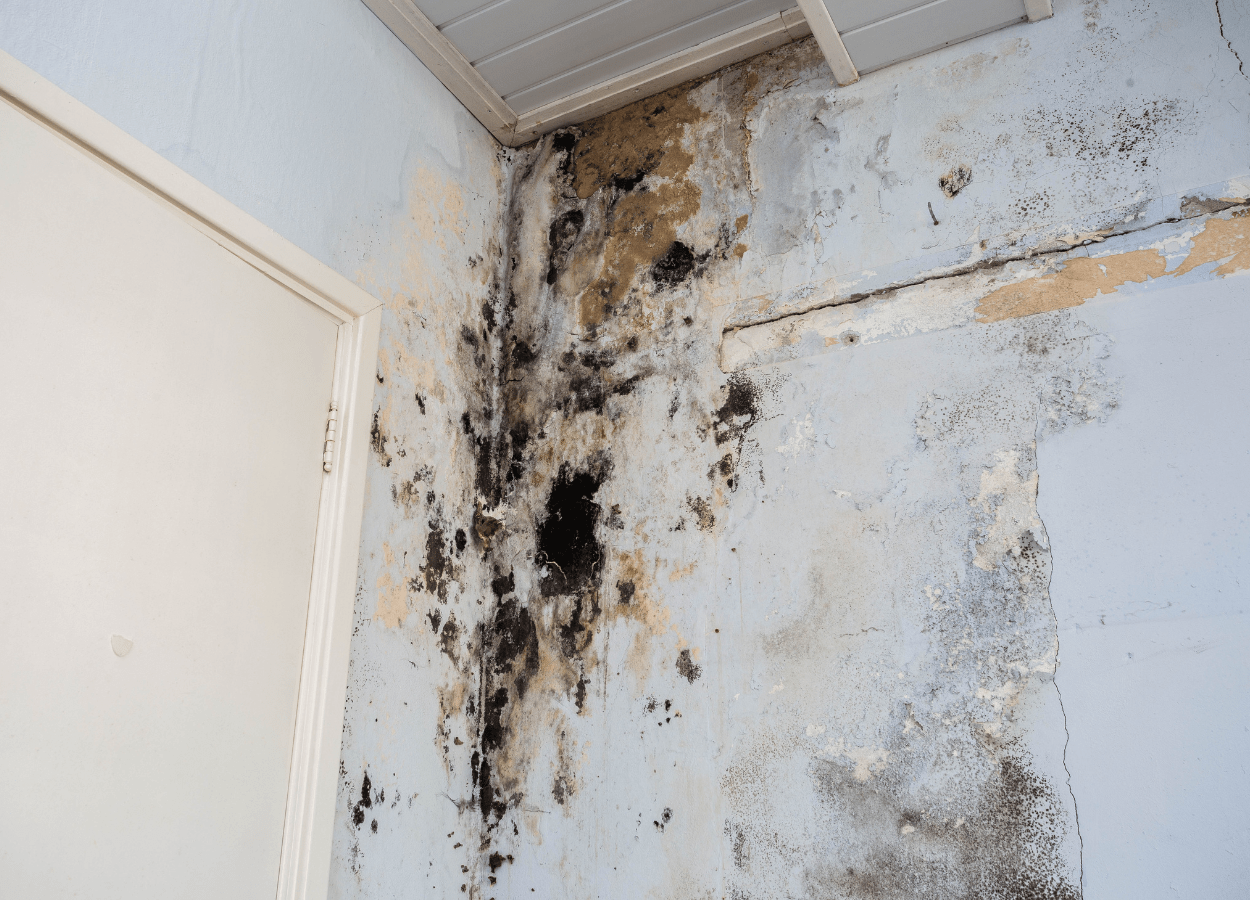
Mold Inspection Services in Palm Bay after Plumbing Leaks: Warning Signs and Prevention
Plumbing leaks are one of the most common causes of mold growth in Palm Bay homes. Unlike storm damage or flooding, plumbing leaks often go unnoticed for long periods, quietly allowing moisture to build inside walls, floors, and cabinets. By the time visible damage appears, mold contamination may already be spreading.
For homeowners across Palm Bay and surrounding Brevard County communities, understanding the early warning signs of mold after plumbing leaks can help prevent expensive repairs and protect indoor comfort.
Mold inspection services play a critical role in detecting hidden problems before they become serious.
How Plumbing Leaks Lead to Mold Problems
Plumbing systems run throughout homes behind walls, under floors, and above ceilings. When a pipe leaks slowly, water can seep into building materials without obvious signs.
Moisture often spreads into:
• Drywall and insulation
• Wood framing and subfloors
• Cabinets and vanities
• Flooring materials
• Ceiling cavities below bathrooms or kitchens
Because leaks may drip slowly for weeks or months, moisture remains trapped, creating ideal conditions for mold growth.
Many homeowners do not realize a leak occurred until stains or odors appear.
Why Plumbing Leaks Are Common in Palm Bay Homes
Homes throughout Palm Bay, Melbourne, West Melbourne, Rockledge, and Merritt Island experience plumbing problems for several reasons.
Common factors include:
• Aging plumbing systems in older homes
• Corrosion in pipes over time
• High humidity increasing condensation
• Pipe movement due to temperature changes
• Improper installation or past repairs
• Slab foundation plumbing vulnerabilities
Homes built decades ago may still have original plumbing materials that become more prone to leaks as they age.
Even newer homes can experience problems if fittings or seals fail.
Warning Signs Mold May Be Developing
Plumbing leaks often remain hidden, but mold problems usually create warning signs before becoming severe.
Homeowners should watch for:
• Musty or damp odors indoors
• Bubbling or peeling paint
• Discoloration on walls or ceilings
• Warped baseboards or flooring
• Mold spots near sinks or cabinets
• Cabinets feeling damp underneath sinks
• Increased humidity indoors
In some cases, occupants notice allergy-like symptoms when indoors, especially near affected areas.
These signs should never be ignored, as hidden mold may already be spreading.
Hidden Areas Mold Often Develops
Mold does not always grow where leaks are obvious. Water frequently travels through structures before becoming visible.
Common hidden mold locations include:
• Behind bathroom walls
• Under kitchen sinks and cabinets
• Inside laundry room walls
• Beneath flooring near appliances
• Around water heaters
• Inside ceiling cavities below plumbing fixtures
Because these areas remain concealed, mold growth often continues undetected until inspections are performed.
Professional inspections help locate problems early.
Why DIY Mold Checks Often Miss the Problem
Homeowners sometimes attempt to check for mold by looking for visible spots or using household cleaning products. However, mold often grows in hidden areas that cannot be seen.
Surface cleaning does not address:
• Mold behind drywall
• Wet insulation inside walls
• Moisture beneath flooring materials
• Hidden contamination around pipes
Without professional equipment, moisture sources may remain unresolved.
As long as moisture persists, mold can return.
How Professional Mold Inspection Works
Professional mold inspection services focus on locating both mold growth and the moisture causing it.
Inspection methods typically include:
• Visual inspection of affected areas
• Moisture meter readings behind walls and floors
• Infrared thermal imaging to detect hidden moisture
• Plumbing fixture and pipe evaluations
• Indoor humidity measurements
Inspectors determine how far moisture has spread and identify areas requiring remediation.
Local professionals familiar with Palm Bay housing conditions, including teams such as Palm Bay Mold Removal, understand common plumbing leak patterns and where hidden moisture is most likely to accumulate.
What Happens If Mold Is Found
If mold contamination is discovered, remediation focuses on both removal and prevention of recurrence.
Proper remediation typically includes:
• Containing affected areas
• Removing contaminated materials when necessary
• Cleaning and sanitizing structural surfaces
• Drying materials thoroughly
• Repairing plumbing leaks
• Monitoring moisture levels
Removing mold without fixing the moisture source often leads to recurring problems.
Professional remediation ensures contamination is properly addressed.
Water Damage Repair After Plumbing Leaks
Even small plumbing leaks can weaken structural materials over time.
Repair steps may include:
• Removing damaged drywall or insulation
• Replacing warped cabinetry or flooring
• Repairing ceilings below leak sources
• Sanitizing affected areas
• Drying structural components
Timely repairs prevent long-term structural deterioration.
Drying equipment may be required to remove hidden moisture inside building materials.
How Plumbing Leaks Affect Indoor Air Quality
When mold develops due to plumbing leaks, spores can enter the air and circulate through the home.
Homeowners may notice:
• Persistent musty smells
• Increased dust or particles indoors
• Irritated allergies inside the home
• Stale or uncomfortable air
Moisture inside walls can also increase humidity levels throughout the home, making air feel heavier.
Addressing mold and moisture restores indoor comfort.
Preventing Mold After Plumbing Leaks
Preventive maintenance significantly reduces the risk of mold development.
Homeowners can protect their homes by:
• Checking under sinks regularly for moisture
• Inspecting plumbing connections periodically
• Replacing aging supply lines
• Monitoring water bills for unexpected increases
• Repairing leaks immediately
• Inspecting appliances connected to water lines
Routine checks often catch small leaks before they cause major problems.
Humidity control and ventilation improvements also help reduce moisture buildup.
Why Local Experience Matters in Palm Bay
Homes in Palm Bay, Viera, Cocoa Beach, Satellite Beach, and surrounding Brevard County communities share common construction methods and climate challenges.
Local professionals understand:
• Typical plumbing layouts in regional homes
• How Florida humidity affects moisture spread
• Construction materials commonly used locally
• Frequent leak sources in coastal environments
Local experience helps inspectors identify problems quickly and recommend practical solutions.
Acting Early Prevents Larger Repairs
Plumbing leaks often seem minor at first, but hidden moisture can cause serious damage if ignored. Mold growth spreads quietly and may compromise structural materials and indoor air quality over time.
If your home smells musty, shows wall or ceiling stains, or has experienced plumbing leaks, a professional mold inspection can reveal hidden moisture before damage spreads further.
Trusted local teams such as Palm Bay Mold Removal help homeowners understand moisture problems and take steps to restore healthy indoor environments.
Addressing plumbing leaks quickly keeps Palm Bay homes dry, comfortable, and protected from long-term mold damage.