
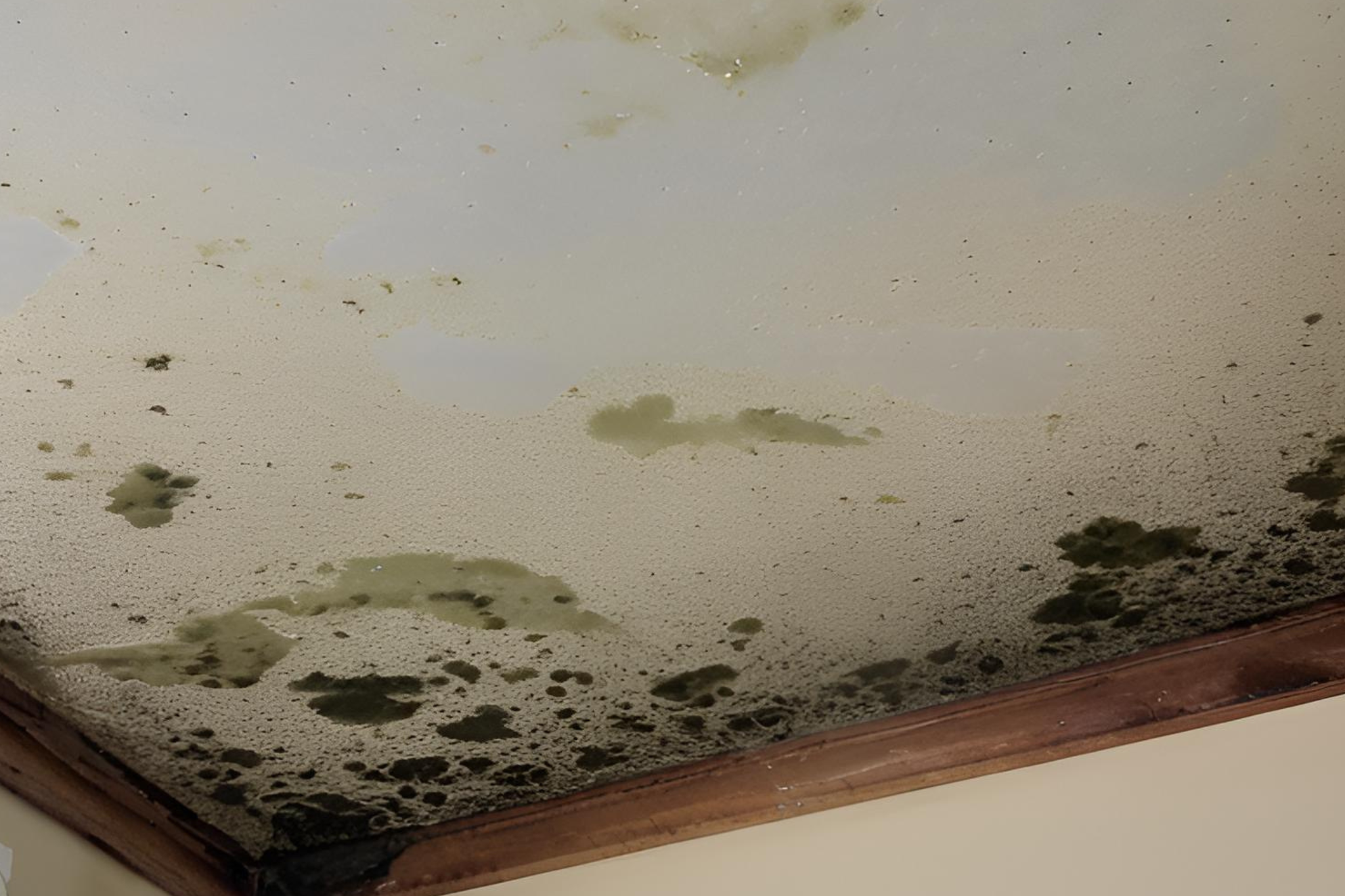
Palm Bay Mold Remediation in Commercial Buildings: Step-by-Step Process Explained
Commercial buildings in Palm Bay face unique mold challenges that differ significantly from residential properties. Larger HVAC systems, higher occupancy levels, extended operating hours, and complex structural designs all contribute to moisture retention and hidden mold growth. When mold develops in a commercial setting, it can spread quickly and disrupt daily operations if not handled properly.
Understanding how professional mold remediation works step by step helps building owners, landlords, and property managers respond calmly and effectively when mold is discovered.
Understanding Mold Problems in Commercial Buildings
Mold thrives anywhere moisture and organic material are present. In commercial buildings, moisture often enters through roof leaks, plumbing failures, condensation buildup, or flooding after heavy storms.
Once moisture is trapped, mold may grow on:
• Drywall and ceiling tiles
• Insulation and framing materials
• Flooring and subfloors
• HVAC systems and ductwork
• Storage areas and mechanical rooms
Because commercial buildings are larger, mold often spreads further before it is noticed. Occupants may smell musty odors or experience discomfort before visible mold appears.
Why Mold Is Common in Palm Bay Commercial Properties
Palm Bay’s climate creates ideal conditions for mold growth, especially in commercial structures.
Key contributing factors include:
• High year-round humidity
• Heavy seasonal rainfall and storms
• Roof systems covering large surface areas
• Continuous AC operation
• Condensation inside duct systems
• Older commercial construction materials
Buildings in nearby areas such as Melbourne, Rockledge, Viera, Merritt Island, and Titusville face similar environmental pressures. Even newer commercial buildings can experience mold if moisture control systems are not properly maintained.
Step 1: Initial Mold Inspection and Moisture Assessment
The remediation process begins with a thorough inspection. Professionals identify visible mold and, more importantly, hidden moisture that allows mold to grow.
This step typically includes:
• Visual inspection of affected areas
• Moisture meter readings inside walls and ceilings
• Infrared thermal imaging to locate hidden moisture
• HVAC and duct system evaluation
• Identification of water intrusion sources
Locating the moisture source is critical. Mold removal without moisture control almost always fails.
Local professionals such as Palm Bay Mold Removal understand common moisture pathways in Brevard County commercial buildings and know where to look first.
Step 2: Containment of Affected Areas
Once mold is confirmed, containment prevents spores from spreading to unaffected parts of the building.
Containment measures often include:
• Physical barriers using plastic sheeting
• Negative air pressure systems
• Sealing vents and doorways
• Controlled access to contaminated zones
This step is especially important in commercial buildings where occupants, employees, or customers may still be present in other areas.
Proper containment protects indoor air quality throughout the rest of the property.
Step 3: Air Filtration and Environmental Control
Airborne mold spores must be controlled during remediation.
Professionals typically use:
• HEPA air filtration devices
• Continuous air scrubbing
• Humidity control systems
These systems capture airborne particles and reduce spore levels during remediation. Air filtration runs throughout the cleanup process to maintain safer indoor conditions.
Step 4: Removal of Contaminated Materials
Materials that cannot be effectively cleaned must be removed. This prevents mold from returning and spreading further.
Common materials removed include:
• Mold-damaged drywall
• Ceiling tiles
• Insulation
• Carpeting or padding
• Porous building materials
Removal is performed carefully to avoid spreading contamination. All materials are properly bagged and disposed of following safety procedures.
Step 5: Cleaning and Sanitizing Structural Surfaces
After removal, remaining surfaces are thoroughly cleaned.
Cleaning methods may include:
• HEPA vacuuming
• Specialized surface cleaning agents
• Antimicrobial treatments when appropriate
This step targets remaining mold spores on non-porous and semi-porous surfaces. Proper cleaning restores structural integrity and prepares the area for drying.
Step 6: Structural Drying and Moisture Control
Drying is one of the most critical steps in mold remediation.
Professionals use:
• Commercial air movers
• Industrial dehumidifiers
• Moisture monitoring equipment
Drying continues until materials reach safe moisture levels. Without thorough drying, mold can regrow even after cleanup appears complete.
In Palm Bay’s humid environment, professional drying is essential.
Step 7: HVAC and Air Duct Inspection
Commercial HVAC systems often play a major role in mold spread.
During remediation, professionals inspect:
• Air handlers
• Duct interiors
• Insulation around ducts
• Condensate drain systems
If contamination is found, duct cleaning or component replacement may be required. Cleaning HVAC systems prevents mold spores from circulating throughout the building.
Step 8: Repairs and Restoration
Once remediation is complete, repairs restore the building to usable condition.
Restoration may include:
• Replacing drywall and ceiling tiles
• Reinstalling insulation
• Repairing water-damaged structures
• Addressing roof or plumbing issues
This step ensures the building is both safe and functional.
Step 9: Post-Remediation Verification
Final inspections confirm remediation success.
This typically includes:
• Visual confirmation of cleaned areas
• Moisture level verification
• Optional air or surface testing
Verification provides confidence that mold has been removed and moisture issues have been resolved.
Preventing Mold from Returning
Prevention is just as important as remediation.
Commercial property owners can reduce future risk by:
• Scheduling regular roof inspections
• Maintaining HVAC systems
• Monitoring indoor humidity levels
• Addressing leaks immediately
• Inspecting buildings after storms
Routine maintenance protects both the building and occupants.
Why Local Experience Matters in Commercial Mold Remediation
Commercial buildings in Palm Bay and surrounding Brevard County communities share similar construction styles and climate challenges.
Local professionals understand:
• Florida humidity behavior
• Storm-related water intrusion patterns
• Commercial HVAC system layouts
• Regional building materials
Working with experienced local teams leads to faster detection and more effective solutions.
Taking the Right Steps Protects Your Building
Mold problems in commercial buildings can feel overwhelming, but a structured remediation process makes them manageable. Addressing moisture, removing contamination, and restoring affected areas protects both property value and indoor comfort.
If mold is discovered in a commercial property, early professional intervention prevents further damage and disruption.
Trusted local specialists such as Palm Bay Mold Removal help building owners understand each step of the process and restore safe, healthy indoor environments.
Prompt action ensures Palm Bay commercial buildings remain durable, functional, and protected against future moisture challenges.