
How to Prevent Future Damage: Air Duct Cleaning in Cocoa Beach After Plumbing Leaks
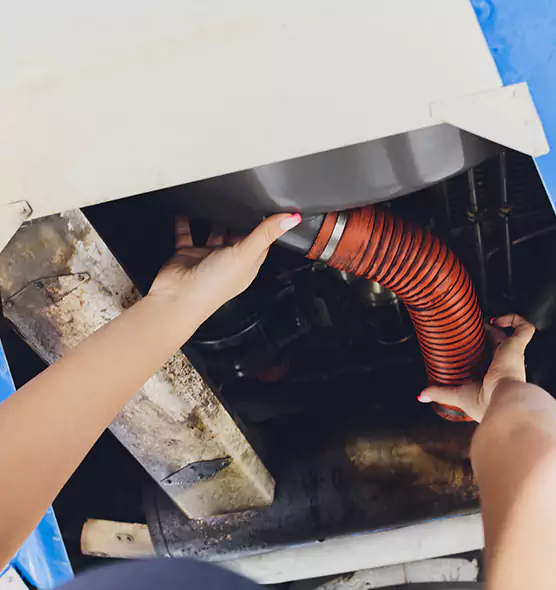
Plumbing leaks in residential homes in Cocoa Beach can create hidden moisture problems that compromise indoor air quality and overall home safety. Even after water is removed and repairs are completed, the residual dampness in air ducts and ventilation systems can foster mold growth, dust accumulation, and microbial contamination. Proper air duct cleaning is a critical step to prevent future damage and maintain a healthy, comfortable living environment.
This guide provides Cocoa Beach homeowners with a comprehensive overview of air duct cleaning after plumbing leaks, including the reasons it is essential, warning signs, professional cleaning processes, preventive measures, and long-term benefits.
Why Air Duct Cleaning Matters After Plumbing Leaks
Air ducts can serve as hidden reservoirs for moisture after plumbing leaks. Even small leaks or minor water damage can allow damp air to circulate through HVAC systems, spreading contaminants throughout the home.
- Mold and Mildew Growth – Moist air trapped in ducts can encourage mold colonization.
- Dust and Debris Accumulation – Wet debris can stick to duct surfaces and accumulate over time.
- HVAC System Efficiency Loss – Moisture and debris reduce airflow and strain mechanical components.
- Poor Indoor Air Quality – Contaminated ducts can circulate spores, dust, and allergens throughout living spaces.
Air duct cleaning after plumbing leaks ensures that the home’s ventilation system is safe, dry, and functioning efficiently.
Common Causes of Moisture in Air Ducts
Understanding the sources of moisture in ducts helps homeowners address the root problem:
- Leaky or Burst Pipes – Water from plumbing leaks may seep into walls and floors, eventually reaching ductwork.
- AC Condensation – HVAC units produce condensation that can overflow or leak into ducts if drainage systems are compromised.
- Flooding or Water Damage – Plumbing issues or localized flooding can introduce water directly into duct systems.
- Poor Insulation – Ducts passing through humid spaces such as attics or crawl spaces can accumulate condensation on uninsulated surfaces.
- Ventilation Failures – Improper airflow or blocked vents can trap moisture inside the system.
Identifying the source of moisture is critical for preventing recurrent problems.
Early Warning Signs That Air Duct Cleaning Is Needed
Homeowners should watch for the following indicators:
- Musty or Moldy Odors – Persistent earthy or musty smells indicate microbial growth in the ducts.
- Visible Mold in Registers – Dark spots around vents or grilles suggest mold contamination.
- Allergy or Respiratory Symptoms – Sneezing, coughing, or irritation may result from airborne spores or allergens.
- Excess Dust in the Home – Increased dust accumulation may indicate contamination in the duct system.
- Reduced HVAC Efficiency – Blocked or partially clogged ducts reduce airflow and system performance.
Recognizing these signs early ensures timely cleaning and prevents long-term damage.
Professional Air Duct Cleaning Process
Professional duct cleaning involves several steps to remove debris, dry moisture, and restore safe airflow:
Step 1: Inspection
- Technicians examine the HVAC system, ductwork, and registers for visible moisture, dust, and microbial growth.
- Thermal imaging or moisture meters may be used to detect hidden damp areas.
Step 2: Containment and Preparation
- The work area is sealed to prevent contamination of living spaces.
- Furniture and sensitive items are protected before cleaning begins.
Step 3: Mechanical Cleaning
- High-powered vacuums and rotary brushes remove dust, debris, and microbial growth from duct surfaces.
- Air washing and agitation ensure thorough cleaning in long, hard-to-reach ducts.
Step 4: Sanitization and Mold Prevention
- Antimicrobial treatments are applied to prevent mold regrowth.
- Technicians may treat registers, plenums, and other high-risk areas to ensure safe airflow.
Step 5: System Drying and Testing
- HVAC components are dried using air movers or dehumidifiers.
- Moisture meters confirm that the system is fully dry before operation resumes.
Step 6: Final Inspection
- Technicians verify that ducts are clean, dry, and free of contaminants.
- Homeowners receive recommendations for ongoing maintenance and monitoring.
Benefits of Air Duct Cleaning After Plumbing Leaks
- Prevents Mold and Microbial Growth – Eliminates damp surfaces where mold can thrive.
- Improves Indoor Air Quality – Reduces allergens, spores, and dust circulation.
- Protects HVAC System Performance – Clean ducts enhance airflow and reduce strain on equipment.
- Reduces Long-Term Repair Costs – Prevents damage to ductwork and building materials from prolonged moisture exposure.
- Enhances Comfort and Safety – Ensures even airflow and a healthier indoor environment for residents.
Air duct cleaning is not only a remediation step but also a preventive measure that preserves the integrity of the home.
Preventive Measures for Cocoa Beach Homeowners
- Schedule Routine Duct Inspections – Regular checks catch minor issues before they escalate.
- Maintain Plumbing Systems – Fix leaks promptly and inspect aging pipes to reduce moisture exposure.
- Monitor Indoor Humidity – Use dehumidifiers to keep humidity below 50% and limit condensation.
- Ensure Proper AC Drainage – Check condensate pans, lines, and connections regularly.
- Seal and Insulate Ductwork – Proper insulation reduces condensation and protects duct surfaces.
- Use Moisture Sensors – Sensors placed in high-risk areas alert homeowners to leaks or excessive humidity early.
Implementing preventive measures ensures that ductwork remains clean, dry, and efficient over time.
Costs of Air Duct Cleaning After Plumbing Leaks
Costs depend on home size, duct complexity, and extent of moisture contamination:
- Small Homes or Light Cleaning – $300–$600 for basic duct cleaning.
- Medium-Sized Homes or Moderate Moisture – $600–$1,200 for extensive cleaning and sanitization.
- Large Homes or Severe Moisture Contamination – $1,200–$3,000+ if mold remediation or repairs are needed.
Timely duct cleaning reduces long-term expenses by preventing damage to HVAC systems, ducts, and building materials.
Local Expertise Matters
Cocoa Beach homeowners benefit from professionals with knowledge of:
- Florida’s high humidity and frequent rainfall
- Common construction vulnerabilities in coastal homes
- HVAC and ductwork issues specific to moisture exposure
- Advanced cleaning, drying, and sanitization techniques
Local expertise ensures that duct cleaning is thorough, effective, and tailored to the home’s environment.
Conclusion
Plumbing leaks can leave residual moisture in residential HVAC systems in Cocoa Beach, creating conditions for mold growth, dust accumulation, and poor indoor air quality. Air duct cleaning is an essential step after water damage to ensure a safe, dry, and healthy living environment.
Professional cleaning includes inspection, mechanical cleaning, drying, sanitization, and post-service verification. Detecting early warning signs, such as musty odors, visible mold, and reduced HVAC performance, ensures timely intervention.
Preventive measures—including routine inspections, plumbing maintenance, humidity control, proper insulation, and moisture sensors—help homeowners maintain clean ducts and prevent future damage. Cocoa Beach homeowners benefit from local professionals who understand the coastal climate, home construction, and environmental risks, providing peace of mind and long-lasting protection for their homes.