
Moisture Detection Services in Rockledge in Commercial Buildings: Complete Guide for Property Owners
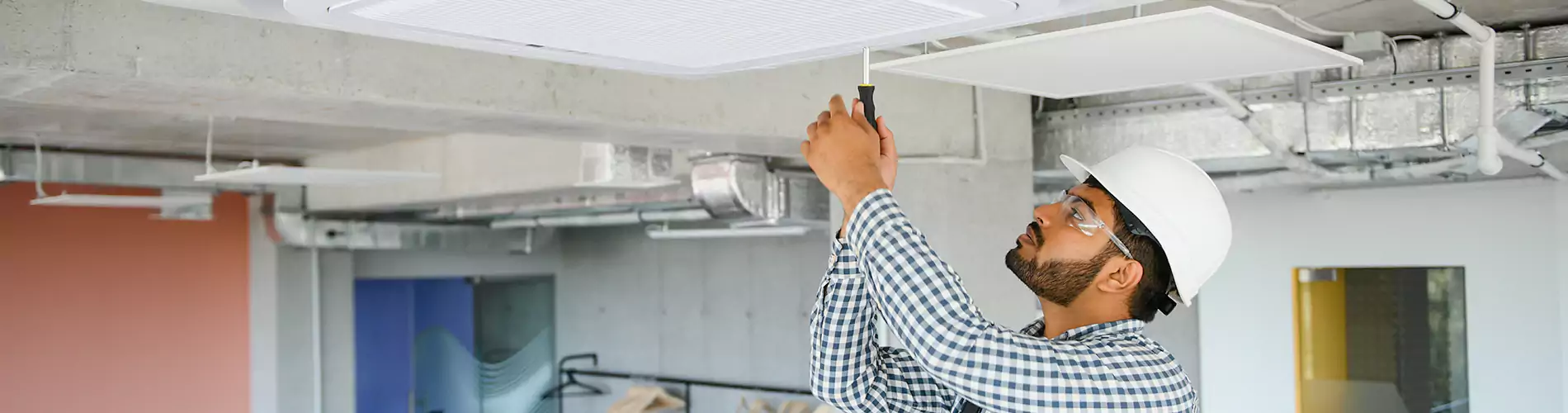
Commercial buildings in Rockledge face unique challenges when it comes to moisture management. High humidity, frequent rainfall, aging infrastructure, and HVAC system inefficiencies can lead to hidden water accumulation that damages structures, promotes mold growth, and compromises indoor air quality. For property owners and facility managers, understanding moisture detection services is essential to maintain a safe, durable, and compliant building.
This guide provides a detailed overview of moisture detection in Rockledge commercial buildings, covering causes, warning signs, detection methods, benefits, remediation steps, costs, and preventive strategies.
Why Commercial Buildings Are Vulnerable to Moisture
Several factors contribute to moisture problems in commercial properties:
- High Humidity – Florida’s climate can trap moisture indoors, particularly in poorly ventilated areas.
- Aging Infrastructure – Older pipes, roofing, and HVAC systems are more prone to leaks and condensation issues.
- Frequent Rainfall and Storms – Heavy rainfall and coastal storms can expose vulnerabilities in roofing, flashing, and drainage.
- HVAC and Plumbing Systems – Condensation, leaks, and malfunctioning equipment can increase moisture accumulation.
- Structural Materials – Concrete, drywall, and insulation in commercial buildings can retain water if not properly managed.
Even minor moisture issues can escalate into significant problems, including mold growth, structural degradation, and reduced indoor air quality.
Common Sources of Moisture in Commercial Buildings
- Roof Leaks – Damaged membranes, flashing, or gutters can allow rainwater to penetrate ceilings and walls.
- Plumbing Failures – Burst pipes, faulty fixtures, or leaking water heaters can saturate floors and walls.
- HVAC Condensation – Air conditioning systems can generate excess moisture, particularly in high-humidity environments.
- Flooding and Drainage Problems – Poorly graded exteriors or clogged drains can lead to water intrusion.
- Window and Door Leaks – Aging seals or damaged caulking allow water to enter during heavy rain.
- Hidden Water Damage – Moisture trapped behind walls, above ceilings, or under flooring often goes unnoticed until visible damage appears.
Identifying these sources is critical for targeting inspections and implementing effective remediation.
Early Signs of Moisture Problems
Property managers and building owners should look for the following indicators:
- Water Stains and Discoloration – Patches on ceilings, walls, or floors.
- Musty or Earthy Odors – Persistent smells indicate hidden moisture and potential mold growth.
- Warped or Soft Materials – Flooring, ceiling tiles, or wall panels may buckle, sag, or swell.
- Condensation on Pipes or Windows – Indicates high indoor humidity or leaks.
- Unexplained Utility Costs – Spikes in water bills may suggest undetected leaks.
- Visible Mold – Dark spots or fuzzy growth near HVAC vents, plumbing, or damp walls.
Early detection is crucial to prevent costly repairs, maintain a safe environment, and protect the building’s structural integrity.
Professional Moisture Detection Methods
Commercial moisture detection relies on advanced tools and techniques to identify hidden problems without unnecessary demolition.
1. Visual Inspection
- Technicians examine ceilings, walls, flooring, HVAC systems, and plumbing for visible signs of water damage or condensation.
2. Moisture Meters
- Handheld devices measure water content in concrete, drywall, wood, and insulation to pinpoint damp areas.
3. Thermal Imaging Cameras
- Infrared cameras detect temperature variations caused by trapped moisture behind walls or under floors.
4. Hygrometer Readings
- Measures indoor humidity levels to identify areas of excess moisture in building envelopes, attics, or basements.
5. Acoustic Leak Detection
- Sensitive equipment listens for water movement in pipes or hidden leaks.
6. Video Pipe Inspection
- Small cameras navigate plumbing systems to identify cracks, blockages, or leaks in hard-to-reach areas.
Professional moisture detection ensures precise identification of problem areas while minimizing damage to the building.
Steps After Moisture Detection
Once moisture is identified, a systematic approach ensures effective remediation.
Step 1: Containment
- Isolate affected areas to prevent further water spread.
- Protect sensitive equipment, inventory, and furnishings.
Step 2: Repair the Source
- Fix leaking pipes, faulty HVAC components, or roofing defects.
- Address the root cause of moisture to prevent recurrence.
Step 3: Water Extraction and Drying
- Remove standing water using pumps and industrial vacuums.
- Dry structural elements with air movers, fans, and dehumidifiers.
- Monitor moisture levels until building materials return to safe thresholds.
Step 4: Cleaning and Sanitization
- Disinfect surfaces to prevent microbial growth.
- Remove or treat affected porous materials such as ceiling tiles, insulation, and carpeting.
Step 5: Post-Restoration Inspection
- Confirm moisture levels are within safe ranges.
- Provide recommendations for preventive measures and ongoing monitoring.
Costs of Moisture Detection and Remediation
Costs vary depending on building size, age, and extent of moisture damage:
- Inspection Fees – $300–$700 for commercial-grade assessments.
- Minor Repairs – $500–$2,000 for plumbing or HVAC fixes.
- Moderate Remediation – $2,500–$10,000 for water extraction, drying, and minor repairs.
- Severe Damage – $10,000–$50,000+ for large-scale structural repairs, mold remediation, or flood damage restoration.
Commercial insurance policies may cover sudden leaks or storm-related water damage; documentation of professional moisture detection improves claim approvals.
Preventive Measures for Commercial Property Owners
- Routine Plumbing and HVAC Inspections – Schedule regular checks to detect leaks early.
- Moisture Sensors and Alarms – Early alerts prevent minor leaks from escalating.
- Maintain Roofing and Drainage Systems – Repair shingles, flashing, and gutters regularly.
- Monitor Indoor Humidity – Keep relative humidity below 50% to limit condensation and microbial growth.
- Seal Windows and Doors – Proper caulking and weatherproofing reduce water intrusion.
- Check Crawl Spaces and Attics – Ensure ventilation and dryness in hidden areas prone to moisture accumulation.
Proactive monitoring significantly reduces the risk of costly water damage and mold growth.
Benefits of Professional Moisture Detection
- Early Leak Identification – Pinpoints hidden moisture behind walls, floors, and ceilings.
- Mold Prevention – Minimizes microbial growth risks, protecting building occupants.
- Protects Structural Integrity – Prevents wood rot, drywall degradation, and foundation weakening.
- Improves Indoor Air Quality – Reduces musty odors, allergens, and microbial contamination.
- Reduces Long-Term Costs – Timely remediation prevents extensive water damage and costly repairs.
Local Expertise Matters
Rockledge property owners benefit from professionals with experience in:
- Florida’s humid, coastal climate and rainy season impacts on commercial buildings
- Common structural and plumbing vulnerabilities in older and newer commercial properties
- Advanced detection methods for both visible and hidden moisture
- Preventive strategies tailored to local environmental conditions
Local expertise ensures inspections and remediation are accurate, efficient, and effective.
Conclusion
Moisture problems in Rockledge commercial buildings can lead to structural damage, mold growth, and reduced indoor air quality if left unchecked. Early detection of water intrusion, condensation, or elevated humidity is critical for protecting building integrity and occupant safety.
Professional moisture detection uses visual inspections, moisture meters, thermal imaging, hygrometers, acoustic devices, and video pipe inspections to identify hidden issues efficiently. Following detection, prompt repairs, water extraction, drying, sanitization, and preventive maintenance are essential to minimize damage and long-term costs.
Implementing preventive measures, including routine inspections, moisture monitoring, proper ventilation, and timely repairs, ensures that Rockledge commercial buildings remain safe, dry, and resilient, even in Florida’s humid and storm-prone climate.