
Emergency Water Removal in Merritt Island after Hurricanes: How to Prevent Future Damage
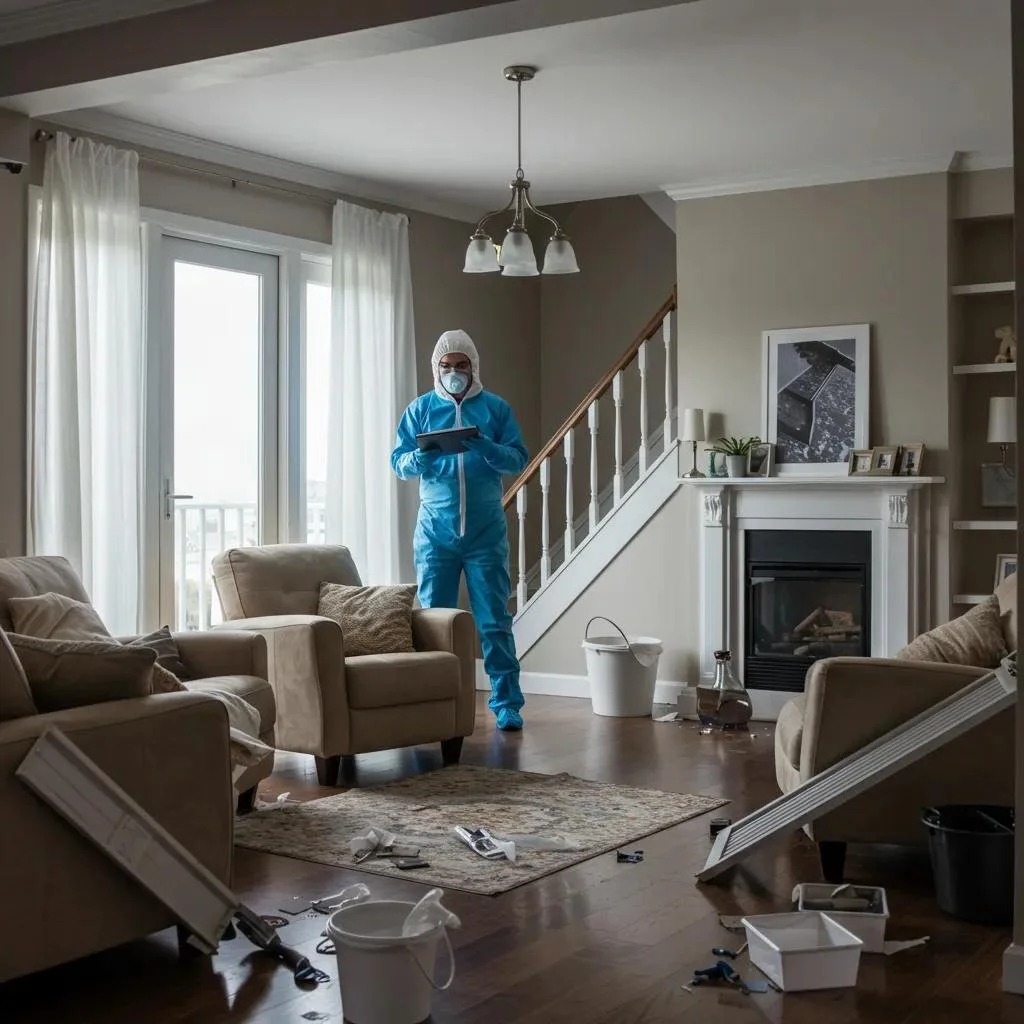
Hurricane season is a reality for homeowners in Merritt Island and throughout Brevard County. Each year, powerful storms bring heavy rain, storm surge, and wind-driven water that can quickly overwhelm homes. Even properties that avoid direct flooding often experience roof leaks, window intrusion, or water entering through doors and foundations.
After a hurricane passes, visible water may be the most obvious concern. However, the greater risk often lies in hidden moisture left behind. Without proper emergency water removal, homes can suffer long-term structural damage and mold contamination.
Understanding how emergency water removal works—and how to prevent future problems—helps homeowners protect their homes after severe storms.
What Happens When Hurricane Water Enters a Home
Water entering during a hurricane rarely stays in one place. It spreads rapidly through flooring, walls, insulation, and structural materials.
Once inside, water begins soaking into:
• Drywall and insulation
• Flooring and subfloors
• Wood framing
• Cabinets and furniture
• HVAC systems and ductwork
Even after visible water is removed, moisture remains trapped inside materials. Within 24 to 48 hours, mold growth can begin if drying is incomplete.
In many Merritt Island homes, damage continues quietly long after storms pass.
Why Hurricane Water Damage Is Common in Merritt Island
Homes in Merritt Island, Cocoa Beach, Satellite Beach, and nearby coastal communities face higher hurricane risks due to proximity to waterways and coastal weather patterns.
Several factors increase vulnerability:
• Storm surge and coastal flooding
• Heavy rainfall overwhelming drainage systems
• Wind-driven rain entering roofs or windows
• Older roofing materials or seals failing
• Flood-prone neighborhoods and low elevations
Even homes not directly flooded often experience roof or attic leaks that allow water to spread through ceilings and walls.
Because hurricanes combine multiple water intrusion sources, damage can occur in unexpected places.
Early Warning Signs After a Hurricane
Some water damage is obvious, but hidden moisture often reveals itself through subtle signs days or weeks later.
Homeowners should watch for:
• Musty odors appearing after storms
• Ceiling or wall discoloration
• Peeling paint or bubbling drywall
• Warped flooring or baseboards
• Increased indoor humidity
• Mold spots forming near vents or corners
• AC systems struggling to maintain comfort
These signs indicate moisture may still be present inside the home.
Ignoring early symptoms allows problems to spread.
Hidden Areas Where Water Commonly Remains
After hurricanes, water often settles into areas homeowners rarely inspect.
Common hidden moisture locations include:
• Wall cavities
• Attic insulation
• Crawl spaces
• Subflooring layers
• Inside cabinetry
• HVAC duct systems
Because these areas are concealed, homeowners often assume drying is complete when moisture remains trapped.
Professional inspections help identify moisture that cannot be seen.
Why DIY Water Removal Often Fails
Many homeowners try to handle water cleanup themselves using fans or household vacuums. While helpful for minor spills, these methods rarely remove deep moisture after hurricane flooding.
DIY cleanup often misses:
• Moisture inside walls
• Water trapped under flooring
• Wet insulation
• Contaminated duct systems
• Humidity trapped inside structures
Without proper drying equipment, materials stay damp and mold growth begins.
Professional restoration equipment is designed to remove moisture thoroughly and safely.
How Professional Emergency Water Removal Works
Emergency water removal professionals focus on rapid response and thorough drying to prevent long-term damage.
The process typically includes:
• Rapid water extraction using industrial pumps
• Removal of soaked materials when necessary
• Placement of commercial air movers
• High-capacity dehumidification
• Moisture monitoring throughout drying
• Sanitizing affected surfaces
Specialized tools allow technicians to dry areas homeowners cannot reach.
Local teams familiar with Merritt Island homes, including Palm Bay Mold Removal, understand how hurricane water spreads through structures and how to dry homes effectively.
Mold Growth After Hurricane Flooding
Florida’s warm climate makes mold growth a serious concern after water damage.
Mold develops quickly when moisture remains, often growing behind walls or under flooring where it cannot be seen.
Homeowners may notice:
• Persistent musty smells
• Increased allergy-like symptoms indoors
• Visible mold spots
• Discoloration around vents or corners
Once mold spreads, remediation becomes more complex and expensive.
Addressing moisture early prevents contamination.
Water Damage Repair and Restoration
After emergency water removal, repairs may be necessary depending on damage severity.
Restoration often includes:
• Removing damaged drywall or insulation
• Replacing soaked flooring materials
• Repairing ceilings and walls
• Sanitizing contaminated surfaces
• Restoring structural integrity
Professional restoration ensures hidden moisture does not continue causing damage.
Homes that dry properly recover more quickly and avoid recurring issues.
HVAC Systems and Water Damage Risks
Hurricane water frequently impacts attic areas where HVAC systems and ductwork are located. Moisture inside ducts can spread contamination throughout the home.
Common issues include:
• Wet duct insulation
• Mold growth in air handlers
• Condensation problems after flooding
• Contaminated airflow
Cleaning and inspecting HVAC systems after storms help maintain healthy indoor air quality.
Servicing AC systems also reduces future moisture risks.
Preventing Future Hurricane Damage
While hurricanes cannot be avoided, homeowners can reduce future risks with preventative measures.
Recommended steps include:
• Inspecting roofs annually
• Reinforcing roofing materials
• Clearing gutters and drainage paths
• Sealing windows and doors
• Maintaining proper grading around the home
• Installing sump pumps where needed
• Monitoring attic ventilation
Regular maintenance reduces water intrusion risks during storms.
Why Local Experience Matters After Hurricanes
Homes in Merritt Island, Palm Bay, Melbourne, and surrounding Brevard County communities share similar construction styles and environmental challenges.
Local professionals understand:
• Storm damage patterns unique to the area
• Coastal moisture impacts
• Flood-prone neighborhoods
• Construction methods common in local homes
Experience with regional conditions leads to faster, more effective restoration solutions.
Taking Action Quickly Protects Your Home
Hurricane damage can feel overwhelming, but rapid action makes a significant difference. Removing water quickly and drying homes thoroughly prevents mold growth and long-term structural damage.
If your home has experienced water intrusion after a storm, scheduling a professional inspection helps uncover hidden moisture before problems worsen.
Trusted local providers such as Palm Bay Mold Removal help homeowners identify water damage and guide recovery efforts that protect homes long after hurricane season ends.
Responding quickly keeps Merritt Island homes safe, comfortable, and ready for whatever the next storm season brings.