
Complete Guide for Homeowners: Flood Restoration in Titusville in Residential Homes
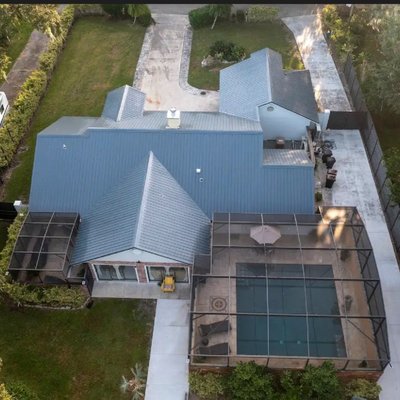
Flooding in Titusville is a significant concern for homeowners. Heavy rains, hurricanes, storm surges, and plumbing failures can all result in water entering residential properties. Even a small amount of standing water can cause structural damage, foster mold growth, and compromise indoor air quality if not addressed promptly.
Flood restoration is a systematic approach to recovering residential homes after water damage. It involves water extraction, drying, cleaning, sanitization, and preventive measures to restore a home to a safe and livable condition. This guide provides a comprehensive overview of flood restoration in Titusville, including causes, early signs, remediation steps, and strategies for homeowners to prevent future flooding issues.
Understanding Flood Risks in Titusville Residential Homes
Titusville homes are particularly vulnerable to flooding due to:
- Coastal Location – Proximity to the Indian River Lagoon and the Atlantic Ocean exposes homes to storm surges and high tides.
- Heavy Seasonal Rains – Florida’s rainy season brings frequent, intense downpours that can overwhelm drainage systems.
- Aging Infrastructure – Older homes may have foundation cracks, worn roofing, or outdated plumbing, allowing water intrusion.
- Storm-Related Damage – Hurricanes and tropical storms often bring significant rainfall, wind-driven water, and localized flooding.
- Poor Drainage and Landscaping – Low-lying lots, clogged gutters, and improper grading can direct water toward structures.
Understanding these factors helps homeowners anticipate areas of vulnerability and take preventive measures.
Common Causes of Residential Flooding
- Plumbing Failures – Burst pipes, leaking water heaters, or clogged drains can quickly saturate floors and walls.
- Roof Leaks – Damaged shingles, flashing, or seals can allow rainwater to penetrate attics and ceilings.
- Stormwater Intrusion – Heavy rains may overwhelm gutters, downspouts, or yard grading, leading to water entering homes.
- Appliance Malfunctions – Washing machines, dishwashers, or HVAC systems may leak and cause localized flooding.
- Natural Disasters – Hurricanes and tropical storms can bring flash flooding or coastal surge that affects homes rapidly.
Early Signs of Flooding in Residential Homes
Homeowners should be alert to:
- Visible Standing Water – Pools of water on flooring, in basements, or near entry points.
- Water Stains – Discoloration on ceilings, walls, or baseboards.
- Warped or Buckling Floors – Moisture affecting wood, laminate, or carpeted surfaces.
- Musty Odors – Early microbial growth due to trapped moisture.
- Condensation – Excess moisture forming on windows, pipes, or walls.
- Electrical Issues – Short circuits, tripped breakers, or outlet malfunctions near damp areas.
Early detection allows for faster response and mitigates extensive damage.
Step-by-Step Flood Restoration Process
Professional flood restoration is methodical and designed to address both visible and hidden damage.
Step 1: Safety Assessment
- Inspect the property for structural hazards, electrical issues, and contaminated water.
- Ensure the home is safe to enter before beginning cleanup.
Step 2: Water Extraction
- Use pumps, wet/dry vacuums, and other specialized equipment to remove standing water.
- Remove water from carpets, floors, basements, and crawl spaces efficiently.
Step 3: Drying and Dehumidification
- Deploy air movers, fans, and dehumidifiers to dry affected areas completely.
- Monitor moisture levels with meters to prevent hidden dampness that could lead to mold.
Step 4: Cleaning and Sanitization
- Clean and disinfect surfaces affected by floodwater, particularly if it contains contaminants from storm or sewage water.
- Address porous materials like carpets, rugs, and upholstery that may retain bacteria or mold.
Step 5: Mold Prevention
- Apply antimicrobial solutions to prevent mold growth in walls, flooring, and HVAC systems.
- Inspect attics, crawl spaces, and hidden cavities where moisture may linger.
Step 6: Structural Repairs
- Replace damaged drywall, flooring, insulation, or baseboards as necessary.
- Repair or reinforce structural elements compromised by water exposure.
Step 7: Post-Restoration Inspection
- Conduct final checks for moisture, odor, and potential hidden damage.
- Provide homeowners with a detailed report and guidance on future prevention.
Costs of Flood Restoration
The cost of restoration depends on several factors:
- Extent of Water Damage – Larger areas require more equipment, labor, and materials.
- Type of Water – Clean water is less costly to remediate than gray or black water contaminated with sewage or chemicals.
- Structural Damage – Replacement of drywall, flooring, or insulation adds to costs.
- Mold Remediation – If mold is present or likely to develop, additional treatment costs are incurred.
- Insurance Coverage – Homeowner’s insurance may cover storm or flood-related restoration, depending on policy.
Typical residential flood restoration can range from $1,000 for minor water intrusion to over $10,000 for extensive storm or flood damage.
Preventive Measures for Homeowners
- Inspect and Maintain Roofing – Replace worn shingles and seal flashing.
- Ensure Proper Drainage – Clear gutters, downspouts, and grading to direct water away from foundations.
- Check Plumbing Regularly – Identify leaks or aging pipes before they cause flooding.
- Install Flood Sensors – Early detection systems alert homeowners to rising water.
- Use Water-Resistant Materials – Consider vinyl flooring or tile in basements and entryways.
- Prepare for Storms – Relocate valuable items, seal vulnerable openings, and use temporary barriers during heavy rains.
These strategies help minimize flood damage and simplify restoration efforts when water intrusion occurs.
Benefits of Professional Flood Restoration
- Thorough Water Removal – Specialized equipment extracts water efficiently.
- Prevent Mold Growth – Professional drying and sanitization reduce microbial risks.
- Protects Structural Integrity – Ensures flooring, walls, and foundations remain stable.
- Reduces Health Hazards – Disinfection prevents bacteria and allergen spread.
- Speeds Up Recovery – Rapid restoration reduces property downtime and stress.
Local Expertise Matters
Titusville homeowners benefit from professionals who understand:
- Local storm patterns and rainfall trends
- Common construction issues in coastal Florida homes
- Best practices for water extraction, drying, and flood restoration
- Preventive strategies tailored to the Titusville climate and building types
Local knowledge ensures that restoration is efficient, comprehensive, and adapted to regional conditions.
Conclusion
Flooding in Titusville residential homes presents serious risks, from structural damage to mold growth and indoor air quality concerns. Early detection and professional intervention are critical to mitigating damage.
Flood restoration involves safety assessment, water extraction, drying, cleaning, mold prevention, structural repair, and post-restoration inspection. Costs vary depending on damage severity, but timely action reduces long-term expenses and preserves property value.
Preventive measures—like proper drainage, roofing maintenance, plumbing inspections, and early warning systems—further protect homes against future flooding events. By engaging local professionals with expertise in Titusville’s climate and building characteristics, homeowners can ensure safe, resilient, and restored homes after any flood event.