
Carpet Cleaning After Flooding in Rockledge in Rental Properties: What Homeowners Should Know
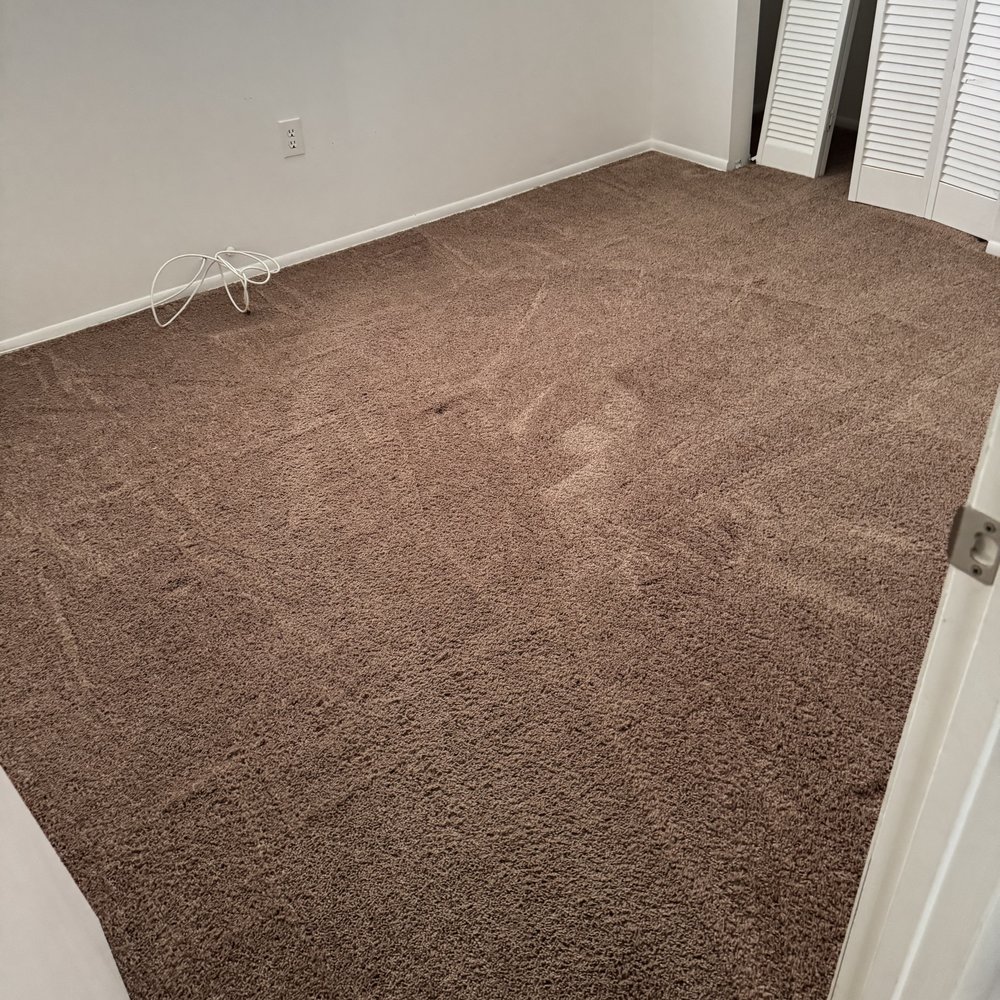
Flooding in Rockledge can be particularly challenging for rental property owners. High rainfall, storm surges, and plumbing failures often result in water intrusion, leaving carpets soaked, padding saturated, and flooring at risk of mold and structural damage. For rental properties, these issues are amplified: tenants need safe, habitable living spaces, and landlords must act quickly to prevent costly repairs and liability concerns.
Professional carpet cleaning after flooding is an essential step in restoring properties, reducing health risks, and protecting the long-term integrity of flooring. This guide explains the risks, step-by-step cleaning process, tools, and preventive strategies for homeowners and landlords managing flooded rental properties in Rockledge.
Understanding Flood-Related Carpet Risks
Carpets in flooded homes face multiple challenges:
- Water Absorption – Carpets and padding can retain large amounts of water, creating a breeding ground for mold, mildew, and bacteria.
- Contaminants – Floodwater may carry sediment, chemicals, or biological waste, particularly in storm surges or sewer backups.
- Structural Damage – Prolonged moisture can weaken subflooring, leading to warping, rot, and costly repairs.
- Odor and Staining – Saturated carpets often retain musty odors and visible stains.
- Health Risks – Mold spores, bacteria, and allergens may spread into the air, compromising indoor air quality.
Understanding these risks highlights the importance of professional intervention rather than DIY attempts, especially in rental properties where liability is a concern.
Common Causes of Carpet Flooding in Rental Properties
1. Stormwater Intrusion
Coastal homes in Rockledge are prone to flooding from hurricanes and heavy rainfall. Groundwater or stormwater may seep through windows, doors, or low-lying areas.
2. Plumbing Failures
Burst pipes, leaking water heaters, and clogged drains can saturate carpets quickly, particularly in older rental units where plumbing may be aging.
3. AC Condensation or HVAC Issues
Air conditioning systems can accumulate condensation in poorly maintained units. Overflow or leaks can saturate nearby flooring.
4. Tenant Activity
Spills, neglected leaks, or improper use of appliances can contribute to carpet moisture, which may worsen during storm events.
Early Warning Signs Homeowners Should Watch
Prompt attention reduces the likelihood of permanent damage. Key indicators include:
- Visible Moisture – Damp or wet carpet fibers and padding.
- Musty Odor – Early signs of microbial growth.
- Discoloration or Staining – Water may leave darkened patches or rings.
- Warping or Buckling – Moisture affecting subflooring.
- Increased Complaints from Tenants – Health symptoms or discomfort due to damp indoor air.
Step-by-Step Carpet Cleaning After Flooding
Professional carpet cleaning involves a systematic approach that ensures thorough drying, sanitation, and restoration.
Step 1: Assessment
- Inspect the property to determine the extent of flooding, carpet type, and damage severity.
- Identify safety hazards such as electrical outlets in contact with water.
- Determine whether carpets can be salvaged or require replacement.
Step 2: Water Extraction
- Remove standing water using high-powered pumps or wet vacuums.
- Focus on padding and subfloor areas to minimize moisture retention.
Step 3: Drying and Dehumidification
- Employ air movers, fans, and dehumidifiers to reduce moisture content.
- Monitor moisture levels with meters to ensure carpets and subflooring are completely dry.
Step 4: Cleaning and Sanitization
- Use specialized carpet cleaning solutions to remove dirt, debris, and contaminants.
- Apply antimicrobial treatments to prevent mold, bacteria, and mildew growth.
- Clean padding if reusable, or replace if heavily contaminated.
Step 5: Odor Removal
- Employ ozone treatments, activated carbon filters, or specialized deodorizing agents to eliminate musty odors.
- Ensure that air circulation is optimized to prevent lingering humidity.
Step 6: Post-Cleaning Inspection
- Verify that carpets are dry, clean, and free from microbial contamination.
- Document the process for insurance or rental property records.
- Educate tenants or property managers on ongoing maintenance to prevent recurrence.
Challenges Specific to Rental Properties
Rental properties require additional considerations during carpet restoration:
- Tenant Safety – Ensure no chemical residues or wet surfaces pose a hazard.
- Quick Turnaround – Minimizing downtime is crucial to maintain rental income.
- Liability Concerns – Landlords must maintain habitable living conditions and comply with health codes.
- Insurance Coordination – Documentation of cleaning and drying processes helps support insurance claims.
- Recurring Maintenance – Rental units may require routine inspections after storms or plumbing events.
Professional services are particularly valuable in rental properties because they address all these challenges efficiently.
Preventive Measures for Carpet Flooding
- Install Water-Resistant Flooring in Vulnerable Areas – Tile or vinyl in basements or entryways.
- Regular Plumbing Maintenance – Inspect pipes, water heaters, and drains to prevent leaks.
- Monitor AC Units – Ensure proper condensate drainage and timely maintenance.
- Use Area Rugs Instead of Wall-to-Wall Carpet – Easier to remove, clean, and dry during water events.
- Educate Tenants – Encourage reporting of leaks, spills, or damp conditions promptly.
- Storm Preparation – Move carpeted furniture and rugs away from windows or doors prone to water intrusion.
Preventive measures reduce the frequency of costly interventions and maintain safe, habitable living spaces.
Benefits of Professional Carpet Cleaning After Flooding
- Complete Water Removal – Professional equipment ensures thorough extraction and drying.
- Mold Prevention – Reduces microbial growth in damp carpets and subfloors.
- Health Protection – Minimizes exposure to allergens, bacteria, and spores.
- Cost Savings – Timely cleaning can save carpets and padding, avoiding full replacement.
- Tenant Satisfaction – Ensures safe, clean, and comfortable rental units after flood events.
Local Expertise Matters
Rockledge property owners benefit from professionals familiar with:
- Florida’s hurricane season and high rainfall patterns
- Coastal construction materials and common flood vulnerabilities
- Effective drying, cleaning, and mold prevention techniques
- Rental property management considerations and regulatory compliance
Local expertise ensures that interventions are efficient, effective, and adapted to Rockledge’s environmental challenges.
Conclusion
Flooding in Rockledge rental properties poses serious risks to carpets, padding, subflooring, and indoor air quality. Early detection of moisture and prompt professional carpet cleaning is essential to prevent mold growth, structural damage, and health hazards.
A systematic approach—including assessment, water extraction, drying, sanitization, odor removal, and post-cleaning inspection—ensures that carpets are restored safely and efficiently. Preventive measures, tenant education, and routine maintenance further protect rental properties from recurring flood damage.
By understanding the risks and relying on local expertise, Rockledge homeowners and landlords can maintain safe, healthy, and resilient living spaces, even in the face of Florida’s storm-prone environment.