
Mold Remediation Services in Satellite Beach from Poor Ventilation: Early Signs You Should Not Ignore
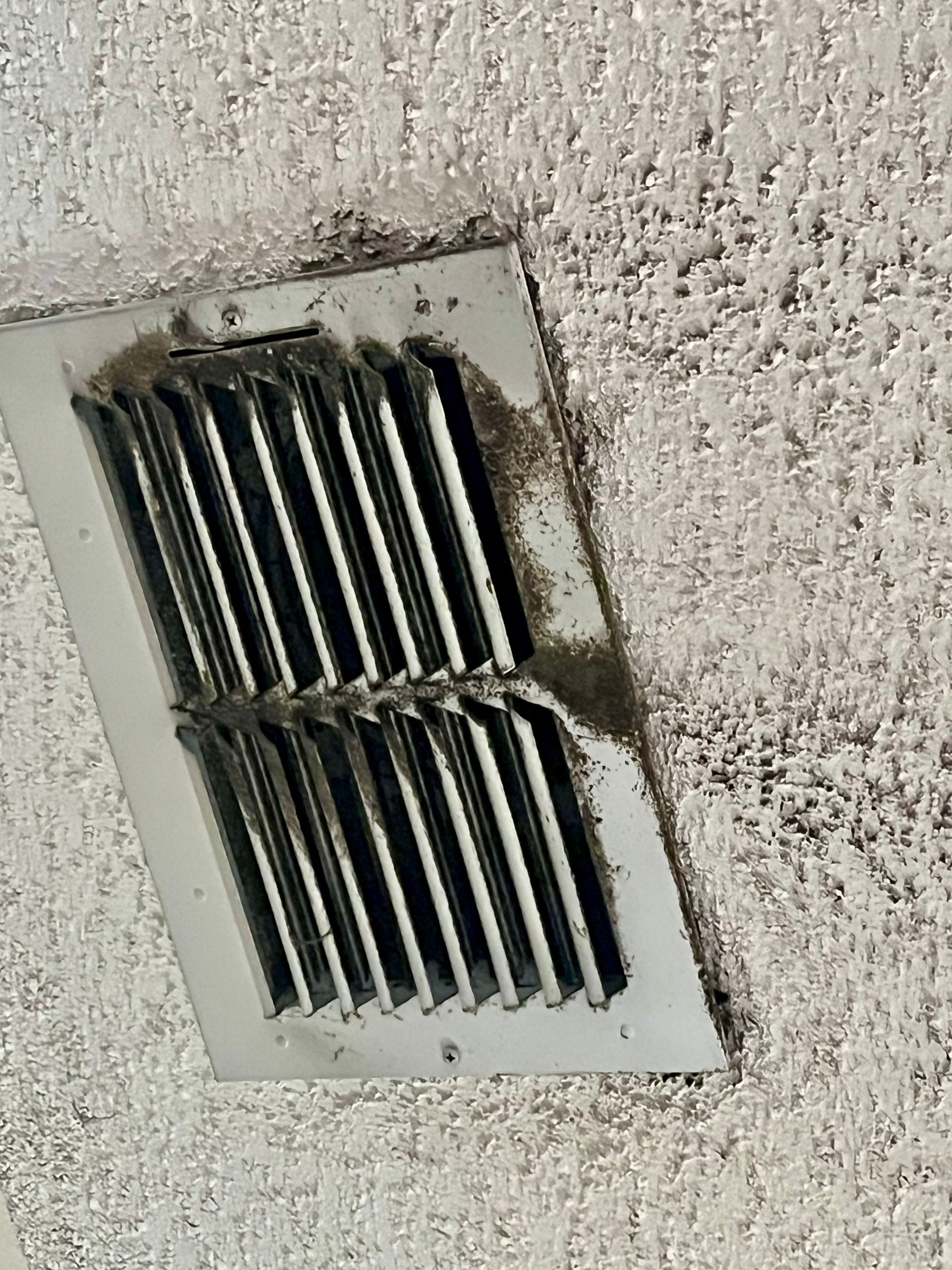
Coastal homes in Satellite Beach face unique challenges due to high humidity, warm temperatures, and frequent storms. While moisture from leaks or flooding is often addressed quickly, one of the most common culprits of mold growth in these homes is poor ventilation. When air circulation is inadequate, indoor spaces become prone to trapped humidity, condensation, and stagnant air, creating an environment where mold can thrive.
Mold not only damages building materials but also reduces indoor air quality and can affect the health of residents. Understanding the early signs of mold, the importance of professional remediation, and preventive strategies is crucial for homeowners looking to protect their properties.
Understanding Mold Growth from Poor Ventilation
Mold is a fungus that reproduces through spores, which are naturally present in the air. In well-ventilated homes, humidity is controlled and spores remain relatively inactive. In poorly ventilated areas, however:
- Moisture from daily activities such as cooking, bathing, and laundry accumulates.
- Condensation forms on windows, walls, and HVAC components.
- Warm temperatures combined with high humidity create ideal conditions for mold colonies to establish.
Areas commonly affected in Satellite Beach homes include attics, crawl spaces, HVAC ducts, bathrooms, and closets. Early detection is key because mold can grow behind walls and under flooring before it becomes visible.
Common Causes of Mold Due to Poor Ventilation
1. Inadequate Airflow
Blocked vents, closed rooms, or insufficient HVAC circulation allow air to become stagnant, concentrating moisture in certain areas.
2. Attic and Crawl Space Conditions
Attics and crawl spaces are particularly vulnerable because warm air rises and cools, leading to condensation on roofing materials or floor joists.
3. HVAC Systems
Air conditioning systems can harbor mold in ducts, coils, and drip pans if condensation is not managed properly. Poor airflow can exacerbate the problem.
4. Everyday Indoor Moisture
Daily activities such as showering, cooking, and drying clothes indoors increase indoor humidity. Without adequate ventilation, this moisture lingers and contributes to mold growth.
5. Storms and Coastal Humidity
Satellite Beach’s proximity to the coast means homes often experience high humidity and occasional water intrusion, compounding mold risks in poorly ventilated spaces.
Early Warning Signs of Mold in Poorly Ventilated Homes
Homeowners should be alert to the following indicators:
- Musty Odors – Persistent earthy or damp smells, often strongest near walls, attics, or ducts.
- Visible Mold Growth – Black, green, or gray patches on walls, ceilings, or floors.
- Water Stains or Discoloration – Yellow or brown spots indicating trapped moisture.
- Warped or Peeling Materials – Swelling of drywall, wood, or wallpaper due to dampness.
- Health Symptoms – Increased sneezing, coughing, or eye irritation when indoors.
- Excess Condensation – Moisture accumulation on windows, pipes, or ductwork.
Recognizing these early signs allows homeowners to engage professional remediation before mold spreads extensively.
The Mold Remediation Process
Professional mold remediation is a systematic approach to safely remove mold, address underlying moisture issues, and prevent recurrence.
Step 1: Inspection and Assessment
- Inspect the home for visible mold and water damage.
- Use moisture meters and thermal imaging to identify hidden mold in walls, ceilings, and flooring.
- Assess HVAC systems, attics, crawl spaces, and other high-risk areas.
Step 2: Containment
- Isolate affected areas using temporary barriers or negative air pressure to prevent spores from spreading.
- Remove or protect furniture and personal belongings.
Step 3: Removal of Contaminated Materials
- Porous materials like drywall, insulation, and carpeting may need removal if heavily contaminated.
- Non-porous surfaces are cleaned with antimicrobial solutions.
Step 4: Cleaning and Sanitization
- HEPA vacuums remove mold spores from surfaces and ducts.
- Antimicrobial sprays and specialized cleaners are applied to inhibit regrowth.
Step 5: Drying and Moisture Control
- Air movers and dehumidifiers eliminate remaining moisture.
- Address any ventilation issues contributing to mold proliferation.
Step 6: Post-Remediation Verification
- Inspect and test previously affected areas to ensure mold has been eliminated.
- Provide homeowners with guidance on monitoring and maintaining indoor air quality.
Preventing Mold in Poorly Ventilated Homes
- Improve Air Circulation – Ensure vents are unblocked and consider additional fans or ductwork improvements.
- Control Humidity – Use dehumidifiers or HVAC systems to maintain humidity below 50%.
- Inspect Attics and Crawl Spaces – Ensure proper ventilation and airflow in these high-risk areas.
- Regular HVAC Maintenance – Clean coils, drip pans, and ducts to prevent moisture accumulation.
- Monitor Indoor Moisture Sources – Address leaks, condensation, and standing water promptly.
- Use Mold-Resistant Materials – Consider mold-resistant drywall, paint, and insulation for vulnerable areas.
- Prompt Storm Response – Dry and ventilate areas quickly after heavy rains or coastal storms.
Proactive measures reduce the likelihood of mold growth and help maintain healthy indoor air quality year-round.
Benefits of Professional Mold Remediation
- Thorough Removal – Effectively eliminates mold colonies, including hidden areas.
- Prevents Recurrence – Addresses underlying ventilation and moisture issues.
- Protects Health – Reduces exposure to allergens and mold spores.
- Preserves Property Value – Minimizes structural damage and costly repairs.
- Peace of Mind – Ensures that homes are safe, clean, and comfortable for occupants.
Local Expertise Matters
Satellite Beach homeowners gain significant advantages from working with local mold remediation specialists who understand:
- Coastal climate challenges, high humidity, and storm patterns
- Common building designs and ventilation issues in Florida homes
- Effective mold remediation techniques tailored to the local environment
- Preventive strategies to maintain indoor air quality and structural integrity
Local expertise ensures remediation is thorough, efficient, and adapted to the unique conditions of the area.
Conclusion
Poor ventilation in Satellite Beach homes can create ideal conditions for mold growth, particularly in attics, crawl spaces, HVAC systems, and areas affected by everyday moisture or storms. Early detection of warning signs—such as musty odors, visible mold, water stains, and condensation—is crucial to prevent widespread contamination and structural damage.
Professional mold remediation involves inspection, containment, removal, cleaning, drying, and post-remediation verification. Preventive measures like improving airflow, controlling humidity, maintaining HVAC systems, and using mold-resistant materials help protect homes from recurring issues.
By recognizing the early signs of mold and engaging local remediation experts, Satellite Beach homeowners can maintain a safe, healthy, and resilient home, even in Florida’s humid coastal environment.