
Titusville Moisture Detection after Hurricanes: Complete Guide for Homeowners
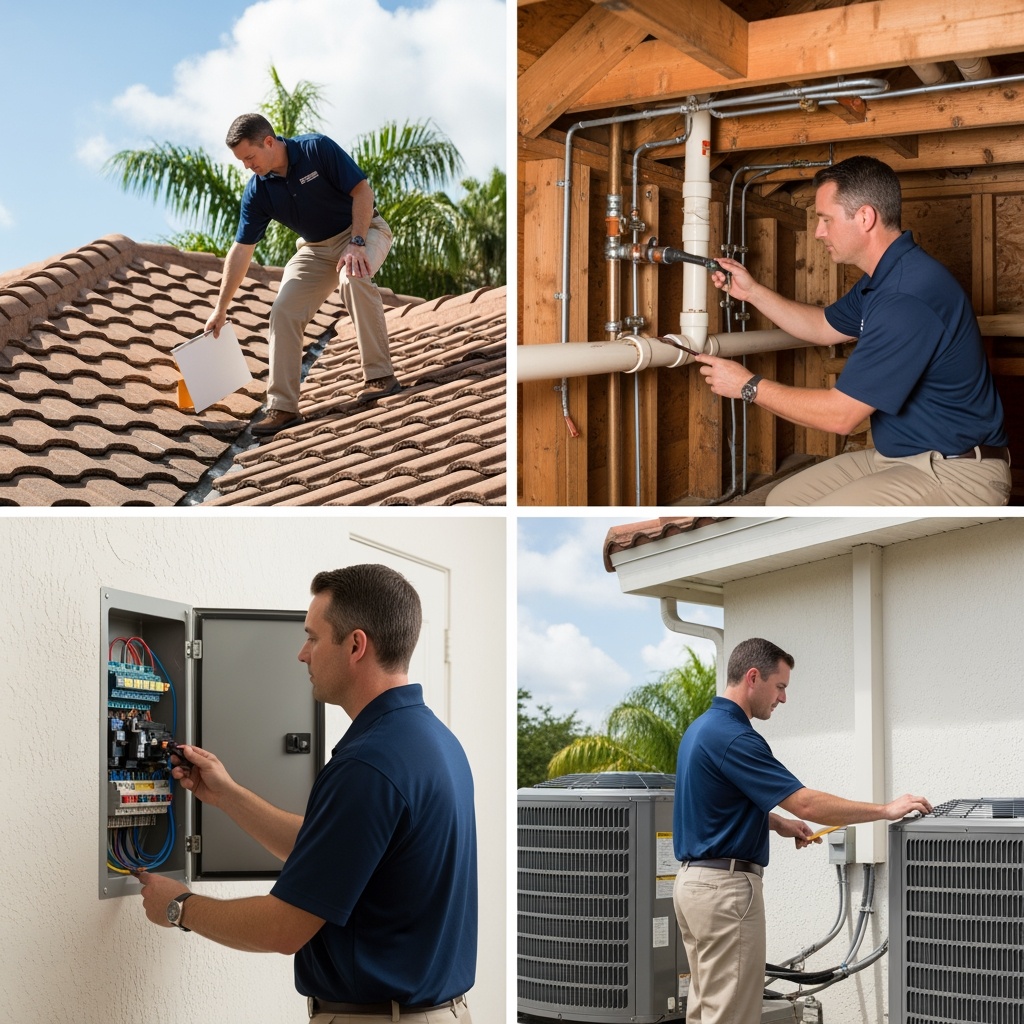
Hurricanes in Titusville pose significant risks to residential properties. Heavy rain, high winds, and storm surges can result in water intrusion, roof leaks, and structural damage. While visible flooding is often addressed immediately, hidden moisture behind walls, under floors, and within attics can go unnoticed, leading to mold growth, wood rot, and long-term deterioration.
Moisture detection is a critical first step after hurricanes, allowing homeowners to identify and address water intrusion before it escalates. This guide provides a comprehensive overview of moisture detection, signs of water damage, tools and techniques, the remediation process, and preventive strategies for homeowners in Titusville.
Understanding Hurricane-Related Moisture Risks
Hurricanes bring high-intensity rainfall and prolonged exposure to water, creating a variety of moisture-related problems:
- Roof Leaks and Ceiling Damage – Damaged shingles, flashing, or gutters allow water to penetrate ceilings and attics.
- Foundation and Crawlspace Intrusion – Storm surges or pooling water around the foundation can seep into basements or crawlspaces.
- Wall and Insulation Saturation – Water can infiltrate drywall, wall cavities, and insulation, often hidden from view.
- HVAC and Plumbing System Exposure – Condensation or flooding can compromise ducts, pipes, and mechanical equipment.
- Flooding of Flooring Materials – Hardwood, laminate, carpet, and subflooring may absorb water and swell or warp.
Even small amounts of hidden moisture can cause mold, odors, and structural issues if not promptly detected and treated.
Common Causes of Moisture Intrusion After Hurricanes
1. Roof and Gutter Damage
- Missing shingles, damaged flashing, or clogged gutters allow water to enter the attic or ceiling spaces.
- Roof leaks often go unnoticed until water stains or sagging appear.
2. Foundation and Crawlspace Flooding
- Stormwater pooling around the home can seep into crawlspaces, creating damp conditions that promote mold and wood rot.
- Poor grading or drainage systems exacerbate water infiltration.
3. Window and Door Leaks
- High winds drive rain into gaps around doors and windows, particularly in older or poorly sealed homes.
- Sliding doors and skylights are common entry points for water intrusion.
4. Plumbing Failures
- Hurricanes can stress plumbing systems, causing ruptures or leaks in supply lines and fixtures.
- Power outages may disrupt sump pumps or water heaters, contributing to water accumulation.
5. Condensation and Humidity
- Post-storm humidity can remain high, causing condensation on walls, ceilings, and HVAC components.
- Trapped moisture may persist in hidden spaces, leading to secondary damage.
Early Warning Signs Homeowners Should Watch For
Detecting moisture early reduces the risk of structural damage and mold growth. Common indicators include:
- Water Stains or Discoloration – Brown, yellow, or dark spots on ceilings, walls, or floors.
- Musty Odors – Persistent earthy smells can indicate hidden water or mold.
- Warped or Buckled Materials – Wood floors, baseboards, and drywall may swell or deform.
- Sagging Ceilings or Walls – Evidence of water accumulation behind surfaces.
- Condensation – Moisture on windows, pipes, or AC components.
- Increased Allergy Symptoms – Sneezing, coughing, or eye irritation when indoor humidity is high.
Prompt attention to these warning signs allows for targeted moisture detection and remediation.
Moisture Detection Techniques
Professional moisture detection involves both visual inspections and specialized tools to identify hidden water and assess damage.
1. Visual Inspection
- Examine ceilings, walls, floors, and baseboards for discoloration, stains, or swelling.
- Check attic spaces, crawlspaces, and around plumbing fixtures.
2. Moisture Meters
- Pin or pinless meters measure moisture content in wood, drywall, and other building materials.
- These tools detect elevated moisture levels even when surfaces appear dry.
3. Thermal Imaging Cameras
- Detect temperature differences caused by water absorption in walls and ceilings.
- Identify hidden leaks and damp areas without invasive inspections.
4. Hygrometers and Data Loggers
- Measure relative humidity in various parts of the home.
- Useful for monitoring crawlspaces, attics, and interior rooms post-storm.
5. Infrared Scanning
- Used to locate moisture behind walls, under floors, or above ceilings.
- Non-invasive and effective for mapping hidden water intrusion.
Professional Moisture Inspection Process
- Initial Assessment – Evaluate the home for visible damage and potential entry points for water.
- Targeted Moisture Detection – Use meters, thermal imaging, and hygrometers to identify hidden water.
- Documentation – Record moisture readings, photos, and areas of concern for insurance or remediation planning.
- Damage Evaluation – Determine affected materials, extent of saturation, and risk of mold or structural compromise.
- Plan Remediation – Develop a strategy for water extraction, drying, and repair.
Remediation and Restoration
Step 1: Water Extraction
- Remove standing water using pumps, wet vacuums, or portable extraction units.
- Fast removal reduces absorption into walls, floors, and furniture.
Step 2: Drying and Dehumidification
- Air movers, fans, and dehumidifiers dry affected areas.
- Moisture levels are monitored until safe thresholds are achieved.
Step 3: Cleaning and Disinfection
- Contaminated surfaces are sanitized to prevent mold growth.
- HVAC systems and ducts may be cleaned if exposed to water.
Step 4: Repair and Restoration
- Replace damaged drywall, insulation, flooring, or structural components.
- Address underlying causes, such as roof leaks, plumbing failures, or drainage issues.
Step 5: Post-Restoration Verification
- Re-inspect moisture levels and ensure that affected areas are fully dried.
- Confirm that the home is safe, odor-free, and structurally sound.
Preventive Measures for Homeowners
- Regular Roof and Gutter Maintenance – Inspect shingles, flashing, and gutters to ensure proper drainage.
- Seal Windows and Doors – Replace worn caulking and weather-stripping to prevent water intrusion.
- Foundation Grading – Ensure soil slopes away from the home to minimize pooling around the foundation.
- Sump Pumps and Backflow Prevention – Maintain and test pumps; install backflow valves to prevent sewer backups.
- HVAC and Plumbing Inspections – Regularly check systems for leaks, clogged condensate lines, or water accumulation.
- Install Moisture Sensors – Early detection systems alert homeowners to water intrusion or high humidity.
- Prompt Storm Response – Quickly address leaks, roof damage, and standing water after hurricanes.
Benefits of Proactive Moisture Detection
- Prevents Mold Growth – Early detection reduces the risk of microbial colonization in hidden areas.
- Protects Structural Integrity – Identifies water intrusion before it compromises walls, floors, or foundations.
- Reduces Long-Term Repair Costs – Minimizes expensive restorations by addressing moisture quickly.
- Maintains Indoor Air Quality – Prevents musty odors and airborne spores that can affect health.
- Supports Insurance Claims – Documentation of moisture detection can aid in coverage and reimbursement.
Local Expertise Matters
Titusville homeowners benefit from working with local moisture detection and restoration specialists who understand:
- Florida’s hurricane patterns and rainfall intensity
- Common home construction types in Brevard County
- Effective, safe moisture detection techniques and remediation methods
- Preventive strategies tailored for coastal and inland properties
Local expertise ensures inspections are thorough, accurate, and responsive to the unique risks of the region.
Conclusion
Hurricanes in Titusville bring significant risks of water intrusion and hidden moisture, which can lead to mold growth, structural damage, and decreased indoor air quality. Early detection using professional moisture detection techniques—such as visual inspection, moisture meters, thermal imaging, and hygrometers—is critical to mitigate these risks.
Following detection, remediation involves water extraction, drying, cleaning, and repair, while preventive measures such as roof maintenance, proper drainage, HVAC care, and moisture monitoring help protect the home from future storms. By understanding the causes, warning signs, and solutions for hurricane-related moisture issues, Titusville homeowners can maintain a safe, healthy, and resilient property in the face of Florida’s storm season.