
Moisture Detection Services in Melbourne in Older Homes: Early Signs You Should Not Ignore
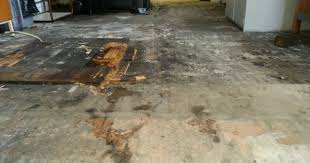
Many neighborhoods across Melbourne feature homes built decades ago, long before modern building standards addressed today’s moisture control challenges. These homes often have character and strong construction, but age combined with Florida’s climate can create hidden moisture problems that slowly damage structures and indoor environments.
Because moisture often hides behind walls or under floors, homeowners rarely notice an issue until repairs become costly. Professional moisture detection services help uncover problems early, protecting homes from mold growth and structural deterioration.
Understanding why older homes in Melbourne are especially vulnerable and learning to recognize early warning signs can help homeowners act before small issues become major repairs.
What Moisture Problems Look Like in Older Homes
Moisture intrusion does not always arrive as flooding or obvious leaks. In many older homes, problems develop gradually due to aging materials and outdated ventilation systems.
Moisture commonly collects in:
- Wall cavities behind drywall
- Attics with outdated ventilation
- Crawl spaces with poor airflow
- Beneath flooring materials
- Around aging plumbing fixtures
- Inside air ducts and HVAC systems
Over time, damp conditions weaken materials and allow mold growth to develop in hidden spaces.
Moisture detection services help locate these hidden issues before visible damage appears.
Why Older Homes in Melbourne Face Moisture Challenges
Melbourne’s coastal climate creates year-round humidity challenges. Older homes often struggle to manage moisture due to construction practices used decades ago.
Common contributing factors include:
- Aging roofing materials allowing minor leaks
- Original plumbing systems developing slow leaks
- Poor attic ventilation designs
- Outdated crawl space construction
- Settling foundations creating cracks
- Old windows allowing humidity infiltration
- Insufficient vapor barriers beneath homes
Homes built before modern moisture standards may also lack proper insulation or airflow systems, allowing warm, humid air to remain trapped inside structures.
Because Melbourne frequently experiences heavy rainfall and storms, moisture problems tend to worsen over time if not addressed.
Early Signs Homeowners Often Notice
Moisture issues rarely appear suddenly. Instead, they develop slowly, and homeowners often overlook early warning signs.
Common signs include:
- Musty or damp odors indoors
- Paint peeling or bubbling on walls
- Ceiling or wall discoloration
- Soft spots in flooring
- Condensation on windows
- Increased indoor humidity
- Allergy-like symptoms indoors
- Mold spots in corners or near vents
When these signs appear, moisture has often already spread behind walls or ceilings.
Hidden Areas Where Moisture Often Collects
Professional moisture inspections in older Melbourne homes frequently uncover problems in areas homeowners rarely see.
Attics
Older attic designs often lack proper ventilation, trapping humid air that wets insulation and roof framing.
Crawl Spaces
Moisture from soil beneath homes accumulates when airflow is restricted, causing damp conditions year-round.
Behind Walls
Slow plumbing leaks or exterior water intrusion often remain hidden until damage spreads.
HVAC Systems
Air conditioning systems may produce condensation that collects inside ducts or mechanical areas.
Because these areas are difficult to access, moisture can remain present for months without detection.
Why DIY Moisture Detection Often Misses the Problem
Homeowners sometimes try to diagnose moisture problems by checking visible areas or using small humidity monitors. While helpful, these methods rarely uncover hidden moisture.
Common DIY limitations include:
- Inability to see inside walls
- Lack of professional moisture meters
- Missing attic or crawl space issues
- Failure to detect slow plumbing leaks
- Overlooking duct condensation problems
Professional equipment allows technicians to detect moisture behind surfaces before mold develops.
How Professional Moisture Detection Works
Professional moisture detection begins with a comprehensive inspection of the property. Specialists examine both visible and concealed areas using advanced tools.
Inspection methods typically include:
- Moisture meters to scan walls and floors
- Thermal imaging cameras to locate hidden damp areas
- Humidity readings throughout the home
- Attic and crawl space inspections
- Evaluation of HVAC systems and ductwork
These methods allow technicians to pinpoint moisture sources and recommend targeted solutions.
Correcting Moisture Issues in Older Homes
After detection, professionals work to eliminate moisture sources and dry affected areas.
Common solutions include:
Roof and Leak Repairs
Stopping water intrusion prevents future moisture buildup.
Improved Ventilation
Upgrading attic or crawl space airflow reduces trapped humidity.
Professional Drying
Industrial equipment removes moisture from structural materials.
HVAC Adjustments
Air conditioning systems may be adjusted to better control humidity.
Material Replacement
Damaged insulation or materials may need replacement if drying is impossible.
Addressing both moisture and ventilation ensures long-term protection.
How Moisture Leads to Mold Growth
Mold spores exist naturally indoors but require moisture to grow. When walls or insulation remain damp, mold colonies develop quickly in hidden areas.
Once mold spreads, removal becomes more complicated and costly. Early moisture detection prevents mold before remediation becomes necessary.
Older homes in Melbourne frequently experience mold growth in attics and crawl spaces when ventilation problems go unnoticed.
Impact on Indoor Air Quality
Hidden moisture problems often reduce indoor air quality. Damp materials release odors and particles that circulate through the home.
Homeowners may notice:
- Persistent stale or musty air
- Increased dust buildup
- Respiratory discomfort indoors
- Difficulty maintaining comfortable humidity
Moisture detection and correction help restore healthier indoor environments.
Preventing Moisture Problems in Older Melbourne Homes
Homeowners can reduce future risks with routine maintenance and inspections.
Helpful prevention steps include:
- Scheduling periodic attic and crawl space inspections
- Maintaining roofs and gutters
- Servicing HVAC systems annually
- Repairing plumbing leaks quickly
- Monitoring indoor humidity
- Improving ventilation where needed
- Scheduling inspections after major storms
Preventive care significantly lowers repair costs over time.
Why Local Experience Matters
Homes throughout Melbourne and nearby areas like Rockledge, Merritt Island, and Palm Bay vary in age and construction style. Professionals familiar with Brevard County understand how local weather patterns affect older homes.
Technicians experienced in regional moisture challenges recognize common issues and tailor solutions accordingly.
Many homeowners turn to experienced local specialists such as Palm Bay Mold Removal because they understand how Florida’s humidity interacts with aging home structures, allowing them to provide practical and lasting solutions.
Taking Action Before Damage Increases
Moisture problems rarely resolve on their own. Instead, they gradually worsen, leading to mold growth and expensive repairs.
Early moisture detection provides homeowners with clear answers and allows corrective action before damage spreads.
For homeowners in Melbourne’s older neighborhoods, routine inspections and timely repairs help preserve both home value and indoor comfort, ensuring properties remain safe and livable for years to come.