
Moisture Detection in Titusville from Poor Ventilation: Complete Guide for Homeowners
Homes in Titusville experience a unique mix of coastal humidity, seasonal storms, and warm temperatures throughout most of the year. While residents often prepare for storm damage or roof leaks, one of the most common and overlooked problems affecting local homes is moisture buildup caused by poor ventilation.
When airflow inside a home is limited, moisture becomes trapped in walls, attics, crawl spaces, and living areas. Over time, this hidden moisture can lead to mold growth, indoor air quality problems, and even structural damage. Many homeowners don’t realize a ventilation issue exists until damage is already underway.
Understanding how professional moisture detection works and why ventilation problems occur can help homeowners protect their properties and prevent costly repairs.
What Moisture Problems from Poor Ventilation Look Like
Moisture problems don’t always begin with flooding or visible leaks. In many homes, excess humidity becomes trapped indoors because warm, moist air has nowhere to escape.
This trapped moisture slowly collects in:
- Attics with insufficient airflow
- Crawl spaces beneath homes
- Wall cavities
- Behind cabinets and appliances
- Inside air ducts
- Around ceilings and insulation
When moisture cannot escape, materials remain damp for extended periods, creating ideal conditions for mold growth and deterioration.
Professional moisture detection identifies these hidden damp areas before damage spreads.
Why Ventilation Problems Are Common in Titusville Homes
Several factors make ventilation challenges common in Titusville and nearby communities like Merritt Island, Palm Bay, and Cocoa Beach.
Local contributors include:
- High year-round humidity
- Warm coastal air entering homes
- AC systems running continuously
- Older homes with outdated ventilation designs
- Improper attic venting
- Closed or blocked crawl space airflow
- Home upgrades that accidentally reduce airflow
Homes built decades ago often lack modern ventilation systems, while newer homes sometimes become too tightly sealed, trapping moisture indoors.
Because Titusville sits near water and experiences frequent humidity swings, ventilation problems can quickly lead to moisture accumulation.
Signs Homeowners Often Notice
Moisture problems caused by poor ventilation often appear slowly. Homeowners frequently notice:
- Persistent musty odors
- Rooms feeling damp or sticky
- Condensation on windows or vents
- Mold spots near ceilings or corners
- Paint peeling or bubbling
- Warped or soft flooring
- Increased allergy-like reactions indoors
These signs usually indicate hidden moisture is present somewhere inside the home.
Hidden Places Moisture Commonly Collects
Professional inspections often uncover moisture in unexpected areas. Some of the most common hidden problem zones include:
Attics
Improper ventilation allows warm, moist air to rise and become trapped, wetting insulation and wood framing.
Crawl Spaces
Poor airflow beneath homes allows ground moisture to accumulate, leading to damp conditions year-round.
Wall Cavities
Moisture from kitchens, bathrooms, or AC systems can settle behind drywall.
HVAC Systems and Ducts
Condensation buildup inside ducts spreads moisture through the home.
Because these areas are rarely inspected by homeowners, moisture problems often continue unnoticed.
Why DIY Solutions Usually Fail
Homeowners sometimes try to fix moisture issues with portable dehumidifiers or by opening windows more often. While these steps may provide temporary relief, they rarely solve the underlying ventilation issue.
Common DIY limitations include:
- Inability to locate hidden moisture
- Lack of professional detection tools
- Failure to correct ventilation pathways
- Ignoring attic and crawl space airflow
- Overlooking HVAC condensation problems
Without addressing the root cause, moisture problems usually return.
How Professional Moisture Detection Works
Professional moisture detection begins with a detailed inspection of the home. Specialists evaluate both visible and hidden areas using advanced tools.
Inspection may include:
- Moisture meters to check walls and floors
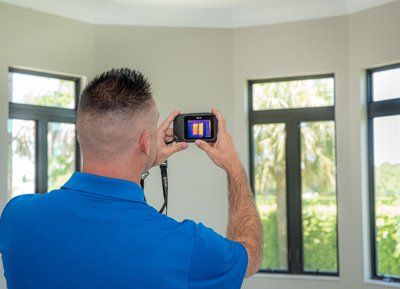
- Thermal imaging cameras to locate hidden dampness
- Humidity measurements inside rooms
- Crawl space and attic evaluations
- Inspection of HVAC systems and ducts
This process helps technicians understand where moisture is collecting and why it is happening.
Once sources are identified, solutions can be implemented effectively.
Correcting Ventilation and Moisture Problems
After moisture detection, professionals focus on restoring proper airflow and drying affected areas.
Typical corrective steps include:
Improving Attic Ventilation
Installing or clearing vents allows warm, moist air to escape.
Crawl Space Moisture Control
Encapsulation or improved airflow reduces ground moisture intrusion.
Professional Drying
Industrial equipment removes trapped moisture from structural materials.
HVAC Adjustments
Air conditioning systems are evaluated to ensure they properly control humidity.
Removal of Damaged Materials
Wet insulation or materials may need replacement if drying is not possible.
These steps prevent mold growth and improve long-term indoor air quality.
Connection Between Moisture and Mold Growth
Mold spores naturally exist in indoor environments, but they only grow when moisture is present. Poor ventilation provides continuous moisture, allowing mold colonies to develop behind walls or inside ceilings.
Once mold spreads, remediation becomes more complex and expensive. Early moisture detection prevents mold before it becomes a widespread issue.
Homes in Titusville frequently experience mold growth in attics or crawl spaces when ventilation issues go unnoticed.
Impact on Indoor Air Quality
Moisture problems often lead to poor indoor air quality. Damp materials release odors and contaminants into the air, which HVAC systems then circulate throughout the home.
Homeowners may experience:
- Persistent stale air
- Increased dust accumulation
- Allergy-like symptoms indoors
- Difficulty maintaining comfortable humidity levels
Improving ventilation and removing hidden moisture restores healthier indoor conditions.
Preventing Future Ventilation and Moisture Problems
Homeowners can reduce future moisture risks by taking preventive steps:
- Schedule regular attic and crawl space inspections
- Maintain proper AC system performance
- Install or repair ventilation systems as needed
- Address roof or plumbing leaks quickly
- Monitor indoor humidity levels
- Keep vents and airflow pathways clear
- Request professional moisture inspections after storms
Preventive maintenance significantly reduces long-term repair costs.
Why Local Experience Matters
Homes across Brevard County vary in construction style, elevation, and exposure to coastal weather. Professionals familiar with Titusville and nearby areas understand how humidity and ventilation problems affect local homes.
Technicians working across Palm Bay, Merritt Island, and surrounding communities recognize common airflow challenges and tailor solutions to local conditions.
Many homeowners rely on experienced local specialists such as Palm Bay Mold Removal because they understand Florida’s climate and how moisture behaves in regional homes, allowing them to provide practical and lasting solutions.
Taking Action Before Problems Grow
Ventilation-related moisture problems often develop quietly, but they rarely resolve on their own. Early moisture detection allows homeowners to fix airflow issues before mold or structural damage appears.
Scheduling a professional inspection provides peace of mind and ensures hidden moisture is identified and addressed properly.
For homeowners in Titusville, maintaining proper ventilation and controlling moisture helps protect both property value and indoor comfort, keeping homes safe and healthy year-round.