
Mold Testing Services in Palm Bay in Humid Summers: What Homeowners Should Know
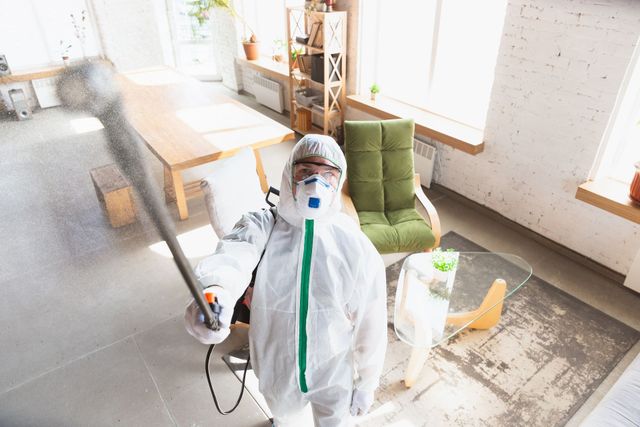
Florida summers bring high heat and humidity, creating ideal conditions for mold growth. Homeowners in Palm Bay are particularly at risk of mold developing in attics, crawlspaces, HVAC systems, and behind walls. Mold not only damages property but can also compromise indoor air quality, leading to allergies and respiratory irritation.
Mold testing services are an essential step in identifying hidden mold colonies, assessing contamination levels, and planning appropriate remediation. This guide provides Palm Bay homeowners with a clear understanding of mold testing, common causes, warning signs, procedures, costs, and preventive measures.
Understanding Mold in Humid Environments
Mold is a type of fungus that reproduces through microscopic spores, which are naturally present in the air. When spores land on moist, nutrient-rich surfaces, they can grow into visible colonies.
Key conditions for mold growth include:
- High Humidity – Palm Bay’s summer humidity frequently exceeds 70%, creating a moist environment ideal for mold growth.
- Water Intrusion – Roof leaks, plumbing issues, or AC condensation introduce moisture into walls, ceilings, and flooring.
- Poor Ventilation – Closed spaces, such as attics or closets, trap moisture and encourage fungal development.
- Organic Materials – Drywall, wood, carpeting, and insulation serve as food sources for mold.
Even small, hidden leaks can lead to mold colonization within 24–48 hours, emphasizing the importance of early detection.
Common Causes of Mold in Palm Bay Homes
1. Air Conditioning and HVAC Issues
Florida homes rely heavily on AC systems. Improperly maintained units, clogged condensate drains, and dirty drip pans can lead to excess moisture and mold growth inside ducts, vents, or cooling coils.
2. Roof and Window Leaks
During summer storms, heavy rainfall can penetrate weakened roofs or improperly sealed windows. Water entering attics or walls creates conditions conducive to mold development.
3. Plumbing Leaks
Leaky pipes under sinks, behind walls, or in crawlspaces allow moisture to accumulate, feeding mold colonies. Even minor leaks, if left unaddressed, can spread mold quickly.
4. Poor Ventilation
Bathrooms, laundry rooms, and enclosed spaces with high humidity may lack adequate ventilation. Moist air trapped in these areas fosters mold growth on walls, ceilings, and fixtures.
5. Flooding or Storm Damage
Stormwater can infiltrate homes through doors, windows, and foundations. Flooded areas that are not fully dried often develop significant mold problems.
Early Warning Signs of Mold
Palm Bay homeowners should watch for the following signs:
- Musty Odors – A persistent, earthy smell often indicates hidden mold.
- Visible Growth – Discoloration on walls, ceilings, baseboards, or behind furniture.
- Water Stains or Warping – Yellow or brown spots, bubbling paint, or warped wood suggest prolonged moisture exposure.
- Allergic Reactions – Sneezing, coughing, or eye irritation may indicate airborne mold spores.
- Health Complaints from Residents – Especially among those with asthma or allergies.
Recognizing these signs early can prevent extensive property damage and costly remediation.
What Mold Testing Involves
Professional mold testing is a systematic process designed to detect hidden mold and assess contamination levels. Typical steps include:
Step 1: Visual Inspection
- A certified mold inspector examines the property, focusing on high-risk areas like attics, crawlspaces, bathrooms, and HVAC systems.
- Moisture intrusion, discoloration, and visible mold are documented.
Step 2: Air Sampling
- Air samples measure the concentration of airborne mold spores.
- Technicians use specialized pumps to collect samples, which are later analyzed in a laboratory.
- Provides insight into the extent of hidden contamination.
Step 3: Surface Sampling
- Swabs, tape lifts, or bulk material samples are taken from walls, flooring, and other surfaces.
- Helps identify the species of mold and assess potential risks.
Step 4: Moisture Assessment
- Moisture meters and thermal imaging identify damp areas not visible to the naked eye.
- Critical for locating hidden leaks or water damage that could fuel mold growth.
Step 5: Laboratory Analysis
- Samples are sent to certified labs for microscopic analysis.
- Determines the type of mold, spore concentration, and potential health implications.
Step 6: Inspection Report
- Provides a detailed overview of findings, including high-risk areas, contamination levels, and recommended remediation steps.
- Homeowners receive actionable guidance for mold removal and prevention.
Costs of Mold Testing in Palm Bay
Mold testing costs vary based on property size, number of samples, and testing methods:
- Small Residential Home – $300–$600
- Medium Home (2–3 Bedrooms) – $600–$1,200
- Large Home or Multiple Testing Areas – $1,200–$2,500+
While testing adds an upfront expense, it helps avoid costly remediation by identifying hidden mold before it spreads.
Importance of Professional Mold Testing
- Detect Hidden Mold – Spore colonies behind walls, under flooring, or in HVAC systems may not be visible.
- Prevent Health Issues – Identifying mold species helps assess potential health risks.
- Guide Effective Remediation – Accurate testing ensures proper cleaning and removal strategies.
- Protect Property Value – Early detection and remediation maintain the structural integrity of the home.
- Peace of Mind – Confirms that indoor air quality is safe for occupants.
Mold Remediation Process
After testing identifies problem areas, professional remediation follows these steps:
- Containment – Seal affected areas with plastic barriers to prevent spore spread.
- Removal of Contaminated Materials – Replace or clean porous materials like drywall, insulation, and carpeting.
- Cleaning and Disinfection – Use HEPA vacuums, antimicrobial solutions, and specialized equipment to clean non-porous surfaces.
- Drying – Industrial air movers and dehumidifiers ensure materials are moisture-free.
- Restoration – Repair walls, floors, and structural components to restore the home.
- Post-Remediation Testing – Confirms mold levels are reduced to safe limits.
Preventing Mold in Humid Summers
- Maintain AC Systems – Regularly clean drip pans, coils, and ducts.
- Control Humidity – Use dehumidifiers to maintain indoor humidity below 50%.
- Seal Leaks – Inspect and repair roofs, windows, and plumbing promptly.
- Improve Ventilation – Ensure airflow in bathrooms, kitchens, and attics.
- Monitor High-Risk Areas – Check crawlspaces, attics, and storage rooms regularly.
- Immediate Water Removal – After leaks or minor flooding, dry affected areas within 24–48 hours.
Local Expertise Matters
Palm Bay homeowners benefit from working with local mold testing specialists who understand:
- Florida’s humid summer climate and storm patterns
- Common construction materials and HVAC systems in the area
- Efficient, effective sampling and analysis techniques
- Tailored remediation strategies for coastal homes
Local knowledge ensures testing and remediation are thorough, safe, and effective.
Conclusion
Mold growth during Palm Bay’s humid summers poses significant risks to homes and indoor air quality. Professional mold testing allows homeowners to detect hidden mold, assess contamination levels, and plan remediation before extensive damage occurs.
Early detection, coupled with proper removal, drying, and preventive strategies, protects both property and health. Regular inspections, humidity control, and AC system maintenance are critical for preventing mold and maintaining a safe, comfortable living environment in Palm Bay.