
A Local Homeowner Guide: Air Duct Cleaning in Rockledge in Rental Properties
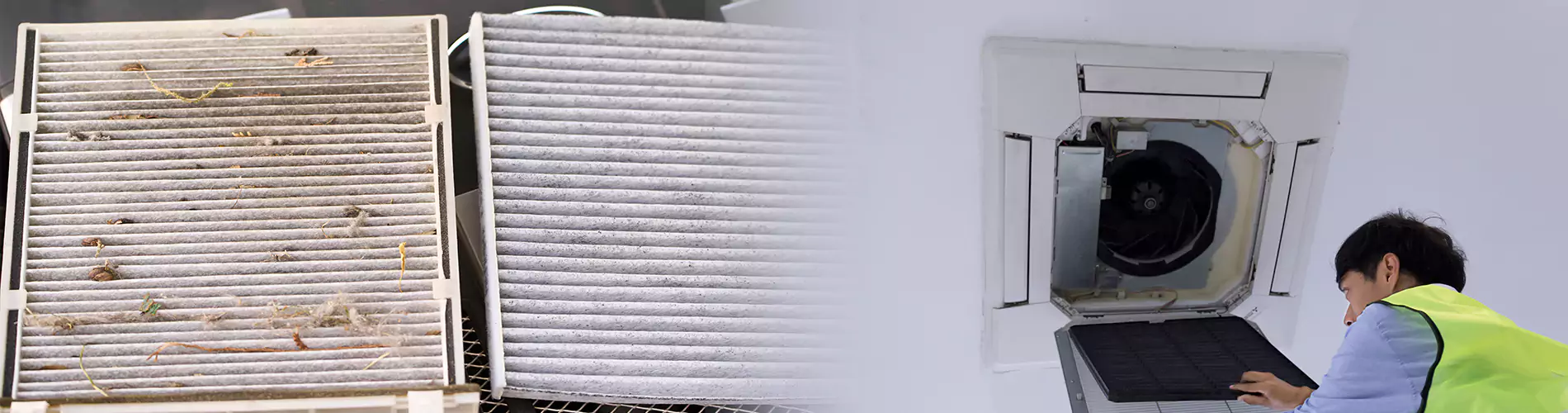
For landlords and homeowners managing Rockledge rental properties, maintaining clean air ducts is a crucial component of property upkeep. Florida’s coastal climate—with its high humidity, frequent storms, and heat—creates conditions where moisture, dust, and microbial growth can accumulate in HVAC systems. Over time, neglected air ducts can contribute to poor indoor air quality, increased energy costs, and potential tenant health concerns.
Professional air duct cleaning ensures that heating, ventilation, and air conditioning (HVAC) systems operate efficiently while safeguarding the living environment. This guide provides Rockledge rental property owners with a detailed understanding of air duct maintenance, warning signs of contamination, and practical steps for cleaning and prevention.
Understanding the Importance of Air Duct Cleaning
Air ducts circulate conditioned air throughout a home, impacting both comfort and indoor air quality. Over time, they can accumulate:
- Dust and dirt
- Pet dander
- Pollen and other allergens
- Mold or microbial growth
- Debris from construction or renovations
In rental properties, tenants may contribute to increased dust and moisture levels, especially in coastal areas where humidity is high. Neglecting air duct maintenance can result in:
- Reduced HVAC efficiency and higher energy bills
- Poor indoor air quality, triggering allergies or respiratory issues
- Odors or mold growth in ductwork
- Faster deterioration of HVAC components
Regular professional cleaning helps prevent these problems and extends the lifespan of the system.
Common Causes of Air Duct Contamination in Rockledge
1. High Humidity
Florida’s climate creates moisture-laden air that can condense in ducts, especially if insulation is inadequate. This moisture promotes mold and mildew growth.
2. Leaks and Gaps in Ductwork
Small gaps or improperly sealed joints allow dust, debris, and moisture to enter the system, contaminating the air circulated throughout the property.
3. HVAC System Age and Maintenance
Older systems or units with irregular maintenance are more prone to accumulating dust, debris, and microbial growth in ducts.
4. Tenant Activity
Cooking, smoking, pet ownership, or other activities can contribute to airborne particles that settle in ductwork over time.
5. Flooding or Water Intrusion
Plumbing leaks, AC condensation issues, or storm-related water intrusion can saturate ductwork, creating ideal conditions for mold growth.
Signs Rental Properties Need Air Duct Cleaning
Landlords and homeowners should monitor for the following indicators:
- Dust Build-Up – Excess dust around vents, registers, and on surfaces throughout the property.
- Unpleasant Odors – Musty or stale smells emanating from vents may indicate mold or accumulated debris.
- Visible Mold – Black or green patches inside accessible duct openings or around HVAC components.
- Reduced HVAC Performance – Inconsistent airflow, uneven heating or cooling, or higher energy bills.
- Tenant Complaints – Allergies, respiratory issues, or complaints about air quality may point to duct contamination.
Early identification helps prevent larger problems and demonstrates proactive property management for tenants.
Step-by-Step Air Duct Cleaning Process
Professional air duct cleaning in Rockledge rental properties typically involves the following stages:
Step 1: Inspection
- Technicians visually inspect ducts, registers, and HVAC components.
- Moisture levels, debris accumulation, and potential microbial growth are assessed.
- Thermal cameras or borescopes may be used for detailed evaluation of inaccessible areas.
Step 2: Containment and Preparation
- Plastic sheeting or barriers protect surrounding areas during cleaning.
- HVAC systems are turned off and prepared to ensure safe access to ductwork.
Step 3: Debris Removal
- Industrial vacuum systems with HEPA filtration remove dust, dirt, and debris from duct surfaces.
- Agitation tools, such as brushes or air whips, dislodge particles adhered to duct walls.
- Debris is safely collected and disposed of according to local regulations.
Step 4: Mold or Microbial Remediation
- If mold or microbial growth is detected, EPA-approved antimicrobial treatments are applied to affected areas.
- Contaminated materials that cannot be cleaned, such as certain insulation sections, may be replaced.
- Cleaning extends to HVAC coils, drip pans, and registers to prevent spore circulation.
Step 5: System Testing and Verification
- Airflow is restored, and the system is tested for performance and efficiency.
- Technicians verify that all ducts are thoroughly cleaned and free of visible contaminants.
- Some providers may conduct post-cleaning air quality tests to confirm improvement.
Benefits of Air Duct Cleaning for Rental Properties
- Improved Indoor Air Quality – Reduces allergens, dust, and microbial contaminants for tenant health.
- Enhanced HVAC Efficiency – Clean ducts allow better airflow, reducing energy consumption and costs.
- Prevention of Mold Growth – Removing moisture and debris reduces conditions conducive to microbial colonization.
- Tenant Satisfaction – A well-maintained property attracts and retains tenants.
- Longevity of HVAC System – Reduces wear on components and extends system life.
For landlords, these benefits translate to healthier tenants, fewer complaints, and lower maintenance costs over time.
Preventive Measures for Rockledge Rental Homes
Landlords can take proactive steps to maintain clean and efficient air ducts:
- Regular HVAC Maintenance – Schedule inspections, filter changes, and coil cleaning at least annually.
- Humidity Control – Use dehumidifiers in high-humidity areas to reduce condensation in ducts.
- Seal Leaks – Ensure duct joints and connections are properly sealed to prevent debris and moisture intrusion.
- Monitor Tenant Activity – Encourage responsible use of appliances, exhaust fans, and ventilation.
- Periodic Air Duct Cleaning – Depending on property size, tenant turnover, and environmental factors, professional cleaning every 3–5 years is recommended.
- Address Water Intrusion Promptly – Repair leaks, roof damage, and AC condensation issues immediately to prevent mold development.
Costs of Air Duct Cleaning
The cost of professional air duct cleaning varies by property size, duct length, and extent of contamination:
- Standard Residential Rental Unit (Single HVAC System) – $300–$600
- Larger Multi-Room Rental or Multi-System Properties – $600–$1,500+
- Mold-Contaminated or Extensive Cleaning – $1,500–$4,000+
Investing in periodic cleaning can reduce long-term HVAC repairs and prevent costly mold remediation in rental properties.
Health and Legal Considerations
Maintaining clean air ducts in rental properties is not only a matter of comfort but also of health and regulatory compliance:
- Tenant Health – Improves indoor air quality, reducing respiratory risks and allergy triggers.
- Liability Reduction – Proper maintenance mitigates potential tenant complaints and legal claims related to mold or poor air quality.
- Compliance with Building Codes – Ensures rental properties meet Florida health and safety standards.
Local Expertise Matters
Rockledge rental property owners benefit from hiring local air duct cleaning specialists who understand:
- Coastal humidity and Florida storm patterns
- Common residential HVAC and duct system designs
- Effective cleaning, mold prevention, and moisture control strategies
- Efficient service delivery for occupied rental properties
Local experience ensures cleaning is thorough, safe, and tailored to the unique challenges of Rockledge homes.
Conclusion
Air duct cleaning is a critical component of property maintenance for Rockledge rental homes. Coastal humidity, tenant activity, and HVAC system conditions make rental properties particularly susceptible to dust, debris, and mold accumulation.
Professional cleaning helps restore indoor air quality, improve HVAC efficiency, prevent mold growth, and enhance tenant satisfaction. By scheduling regular inspections, addressing moisture issues promptly, and implementing preventive strategies, landlords and homeowners can ensure their rental properties remain healthy, safe, and attractive to tenants year-round.