
How Black Mold Removal Helps Homes in Cocoa Beach in Humid Summers
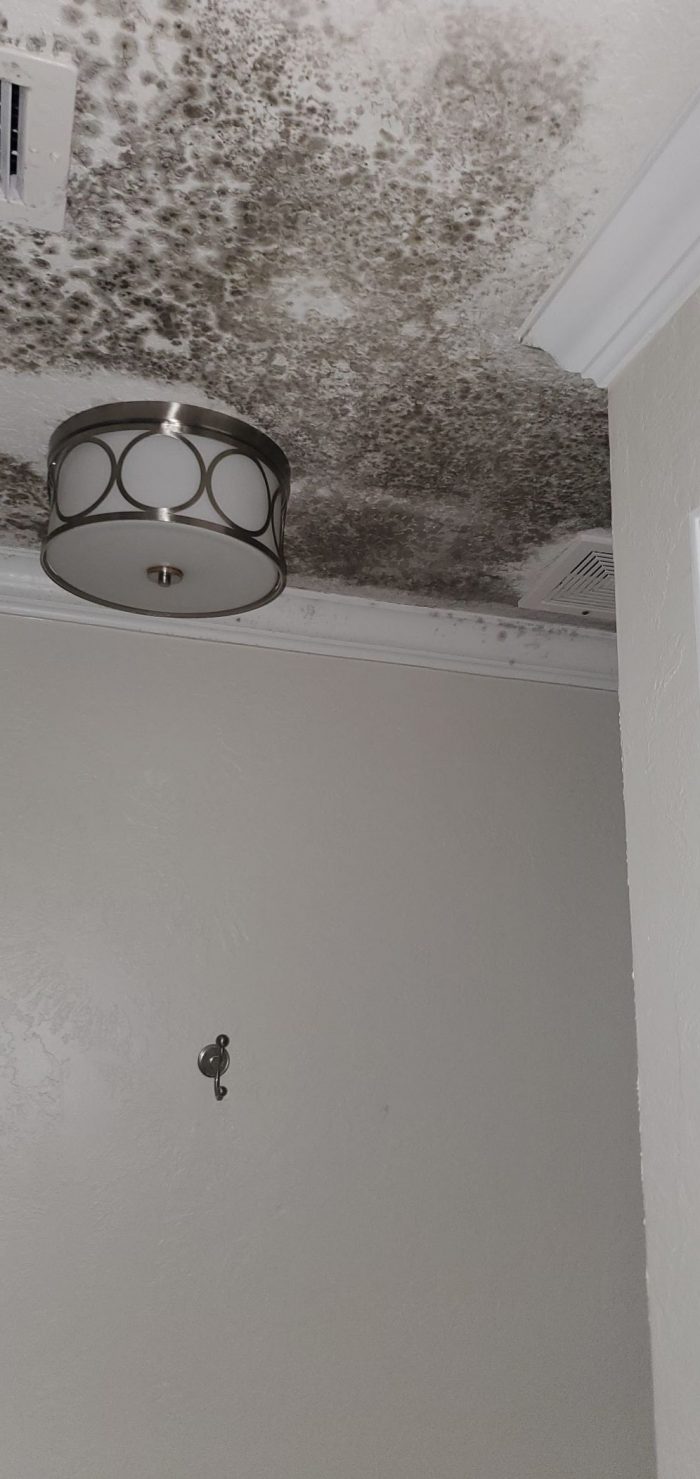
Cocoa Beach homeowners face a persistent challenge each year during Florida’s humid summers: moisture accumulation in homes that can lead to black mold growth. The combination of high temperatures, elevated humidity, and coastal storms creates an environment where mold spores can thrive, particularly on walls, ceilings, insulation, and HVAC systems. Black mold, known scientifically as Stachybotrys chartarum, is a notorious type of mold that colonizes damp organic materials and can spread rapidly if left untreated.
Proper black mold removal is essential for preserving home integrity, improving indoor air quality, and protecting the health of residents. This guide explains the causes of black mold in Cocoa Beach homes, the signs to watch for, the professional removal process, and long-term prevention strategies.
Understanding Black Mold and Its Risks
Black mold differs from other household mold species due to its preference for constant moisture and cellulose-rich materials. In Cocoa Beach, the humid summer months provide optimal conditions for black mold growth.
Key characteristics include:
- Dark Appearance – Often black or dark green in color, appearing as streaks or patches.
- Moisture Dependence – Thrives on wet drywall, wood, insulation, or paper-based materials.
- Rapid Spread – Can colonize entire walls, floors, or ceilings within weeks if moisture persists.
- Impact on Indoor Air Quality – Releases spores that can circulate through HVAC systems and living spaces.
If untreated, black mold can compromise structural components of the home and contribute to persistent musty odors.
Why Cocoa Beach Homes Are Vulnerable
Several environmental and structural factors make homes in Cocoa Beach particularly susceptible during humid summers:
1. High Coastal Humidity
Humidity often exceeds 60–70% in summer months, increasing the likelihood of condensation on walls, ceilings, and windows.
2. Frequent Summer Storms
Heavy rainfall and tropical storms can introduce water through roofs, windows, or drainage systems, leading to hidden moisture accumulation.
3. AC Condensation
Air conditioners are essential in Florida, but improper drainage or neglected drip pans can create stagnant water pockets, ideal for mold growth.
4. Plumbing Leaks
Older pipes or appliances can leak behind walls or under floors, saturating structural materials.
5. Poor Ventilation
Attics, bathrooms, crawlspaces, and closets with limited airflow trap humidity, allowing mold to develop unnoticed.
Early Signs of Black Mold in Homes
Detecting black mold early reduces damage and remediation costs. Homeowners should watch for:
- Musty Odors – Persistent earthy or damp smells often indicate hidden mold.
- Visible Dark Patches – Black or greenish streaks on walls, ceilings, or around AC vents.
- Warping or Peeling Surfaces – Moisture causes paint, drywall, or wood to bubble or distort.
- Water Stains – Yellow or brown discoloration may indicate persistent leaks.
- Health Symptoms – Increased coughing, sneezing, watery eyes, or respiratory irritation in occupants.
Early detection, especially after humid summers, is crucial to prevent mold from spreading to large areas or HVAC systems.
The Black Mold Removal Process
Professional black mold remediation is a structured, multi-step approach designed to safely remove contamination and prevent recurrence.
Step 1: Inspection and Assessment
Certified specialists identify the extent of mold growth:
- Visual Inspection – Identify visible colonies on walls, ceilings, and hidden areas.
- Moisture Detection – Use moisture meters and thermal imaging to locate damp areas within walls, floors, and attics.
- Air Sampling – Optional testing captures airborne spores for laboratory analysis.
Accurate assessment ensures all affected areas are treated and underlying moisture sources addressed.
Step 2: Containment
Containment prevents mold spores from spreading during remediation:
- Seal affected areas with plastic sheeting
- Use negative air pressure machines to control airflow
- Limit access to contaminated zones for homeowners and pets
Step 3: Removal of Contaminated Materials
- Porous materials such as drywall, insulation, and carpeting that are heavily colonized are removed.
- Non-porous surfaces are cleaned and treated with EPA-approved antimicrobial solutions.
- Proper disposal of mold-contaminated debris ensures spores do not re-enter the home.
Step 4: Cleaning and Disinfection
- Scrub surfaces with HEPA-filtered vacuums to remove residual spores.
- Sanitize HVAC components, ductwork, and vents to prevent airborne spore circulation.
- Treat structural elements, cabinets, and flooring with mold-inhibiting solutions.
Step 5: Drying and Dehumidification
- Industrial air movers and dehumidifiers remove remaining moisture.
- Continuous monitoring ensures humidity and moisture levels are reduced to safe levels.
- Proper drying is critical to prevent new mold colonies from forming, especially in humid coastal climates.
Step 6: Restoration
- Replace removed drywall, insulation, and flooring.
- Repair cabinets, trim, or structural components affected by moisture.
- Ensure HVAC systems are restored for proper ventilation and airflow.
Step 7: Post-Remediation Verification
- Conduct clearance testing to confirm mold spores are at safe background levels.
- Verify that moisture levels throughout the home are within safe limits.
- Homeowners can be confident the property is mold-free and safe for occupancy.
Benefits of Black Mold Removal
- Improved Indoor Air Quality – Eliminates circulating spores that affect breathing and comfort.
- Structural Protection – Prevents deterioration of walls, ceilings, floors, and insulation.
- Health Protection – Reduces allergens and respiratory irritants.
- Enhanced Home Value – Proper remediation preserves property integrity and resale value.
- Long-Term Prevention – Addresses moisture sources to minimize future mold growth.
Preventive Measures for Cocoa Beach Homes
Homeowners can take proactive steps to reduce mold risks during humid summers:
- Routine AC and HVAC Maintenance – Clean coils, drip pans, and ducts regularly.
- Humidity Control – Use dehumidifiers and maintain indoor humidity below 50%.
- Roof and Plumbing Inspections – Repair leaks promptly to prevent water intrusion.
- Ventilation Improvements – Ensure attics, crawlspaces, and bathrooms are well-ventilated.
- Use Mold-Resistant Materials – Opt for moisture-resistant drywall, insulation, and paints.
- Moisture Detection Tools – Install sensors to monitor leaks and humidity levels before mold develops.
Costs of Black Mold Removal
Costs vary based on the extent of contamination and materials affected:
- Minor Black Mold Cleanup (Single Room, Small Area) – $500–$1,500
- Moderate Remediation (Multiple Rooms, HVAC Involvement) – $1,500–$5,000
- Extensive Remediation (Structural Damage, Multiple Floors) – $5,000–$15,000+
Early intervention reduces overall expenses by limiting the scope of remediation and preventing widespread structural damage.
Local Expertise Matters
Cocoa Beach homeowners benefit from mold specialists who understand:
- Coastal humidity, storms, and seasonal rainfall
- Common construction materials prone to moisture in Florida homes
- AC, HVAC, and duct systems typical to residential properties
- Proven strategies for mold removal, drying, and long-term prevention
Local experience ensures remediation is thorough, safe, and tailored to the unique challenges of Cocoa Beach homes.
Conclusion
Black mold is a significant concern for Cocoa Beach homes during humid summers, fueled by high moisture levels, AC condensation, plumbing leaks, and poor ventilation. Early detection and professional removal are essential to protect structural integrity, maintain indoor air quality, and safeguard residents’ health.
The remediation process includes inspection, containment, removal of contaminated materials, cleaning and disinfection, drying, restoration, and post-remediation verification. By following these steps and implementing preventive measures such as humidity control, proper ventilation, and routine maintenance, Cocoa Beach homeowners can keep their homes safe, healthy, and mold-free year-round.