
Costs, Causes, and Solutions: Water Damage Restoration in Rockledge Residential Homes
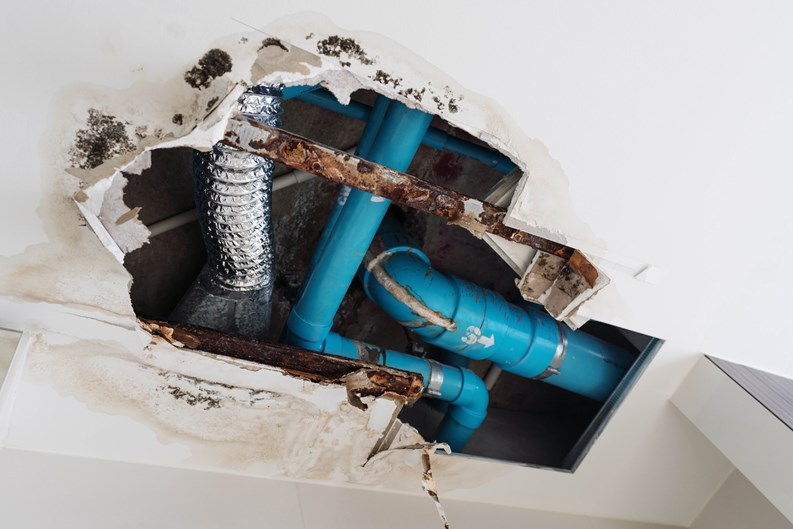
For homeowners in Rockledge, water damage is a common and costly issue. From plumbing leaks to storm-related flooding, the combination of Florida’s high humidity and heavy rainfall makes residential properties especially vulnerable. Water intrusion can compromise structural integrity, damage personal property, promote mold growth, and degrade indoor air quality if not addressed promptly.
Understanding the causes of water damage, associated costs, and the solutions available is essential for Rockledge homeowners seeking to protect their investment and maintain a safe, healthy living environment. This guide offers a comprehensive overview.
Understanding Water Damage in Residential Homes
Water damage occurs when water infiltrates building materials or finishes, leading to deterioration of structural and cosmetic components. Commonly affected areas include:
- Walls and Drywall – Water causes swelling, warping, and loss of paint adhesion.
- Floors and Carpets – Wooden flooring can warp, while carpets and padding retain moisture and harbor bacteria.
- Insulation and Ceilings – Saturated insulation loses effectiveness, and ceilings may sag or collapse.
- HVAC and Ductwork – Moisture in air systems can circulate contaminants throughout the home.
If water damage is left untreated, it often results in mold growth, corrosion, and structural compromise, increasing repair complexity and costs.
Common Causes of Water Damage in Rockledge
1. Plumbing Leaks
Burst pipes, leaking faucets, and faulty water heaters are primary causes of localized water damage. Slow leaks over time can saturate walls and floors, causing hidden deterioration.
2. Flooding and Stormwater
Rockledge experiences heavy seasonal rains and occasional tropical storms. Flooding can affect basements, crawlspaces, and slab foundations, introducing large volumes of water into homes.
3. AC Condensation and HVAC Issues
Air conditioning is essential in Florida homes, but condensate pans, coils, and ductwork can accumulate water if drainage is obstructed, promoting localized damage and mold growth.
4. Roof Leaks
Damaged shingles, poor flashing, or aged roofing allow water to penetrate attics and ceilings, often going unnoticed until damage becomes severe.
5. Appliance Malfunctions
Dishwashers, washing machines, and ice makers can leak or overflow, causing water to pool under cabinets or flooring.
Early Signs of Water Damage
Recognizing water damage early prevents costly repairs:
- Discoloration or Stains – Yellow or brown water marks on walls, ceilings, or floors.
- Warping or Buckling – Floors, doors, and baseboards may swell or distort.
- Musty Odors – Persistent damp or mildew-like smells often indicate hidden moisture.
- Peeling Paint or Wallpaper – Moisture weakens adhesion and can cause bubbling.
- Sagging Ceilings – Accumulated water can compromise structural supports in ceilings or walls.
- Electrical Issues – Flickering lights or tripped breakers may result from water contacting electrical components.
Costs of Water Damage Restoration
The cost of water damage restoration in Rockledge residential homes depends on the extent of damage, affected materials, and complexity of remediation:
- Minor Water Damage (Single Room, Localized Leak) – $500–$1,500
- Moderate Water Damage (Multiple Rooms, Carpets, or Flooring) – $1,500–$4,000
- Severe Water Damage (Entire Home, Mold Prevention, HVAC Involvement) – $4,000–$10,000+
Early detection and mitigation reduce costs by preventing secondary issues such as mold, structural decay, or duct contamination.
Step-by-Step Water Damage Restoration Process
Professional water damage restoration typically involves the following steps:
Step 1: Emergency Response
Immediate action is critical to limit water exposure:
- Shut off water supply if due to plumbing leaks.
- Remove standing water using pumps or wet/dry vacuums.
- Initiate temporary drying using fans and dehumidifiers.
Step 2: Assessment and Inspection
Professionals inspect all affected areas:
- Identify saturated materials, including walls, flooring, and insulation.
- Use moisture meters or thermal imaging to detect hidden water.
- Evaluate potential mold risk and contamination levels.
Step 3: Water Extraction
Advanced equipment removes water from floors, subfloors, and structural cavities to prevent long-term damage.
Step 4: Drying and Dehumidification
- High-capacity air movers circulate warm air to accelerate drying.
- Industrial dehumidifiers reduce indoor humidity to safe levels.
- Continuous monitoring ensures materials reach appropriate moisture content.
Step 5: Cleaning and Disinfection
Floodwater or plumbing leaks often contain contaminants:
- Antimicrobial treatments sanitize surfaces.
- Carpets, pads, and upholstery may be cleaned or replaced.
- HVAC systems exposed to water receive professional cleaning to remove microbial contaminants.
Step 6: Mold Prevention
Any area remaining damp receives antimicrobial treatments to prevent mold colonization. Porous materials that cannot be salvaged are removed and replaced.
Step 7: Structural Repairs and Restoration
Restoration includes:
- Replacing damaged drywall, flooring, and insulation
- Repairing baseboards, cabinets, and trim
- Restoring HVAC components and ductwork
- Ensuring electrical and plumbing systems are functional
Step 8: Post-Restoration Verification
Final inspections confirm:
- Moisture levels are safe
- Mold risk has been mitigated
- Air quality is restored
This step ensures homeowners that the home is safe and habitable.
Preventive Measures for Rockledge Homeowners
Preventing future water damage involves proactive measures:
- Regular Plumbing Maintenance – Inspect pipes, faucets, water heaters, and appliances periodically.
- Roof and Gutter Maintenance – Repair damaged shingles and clear gutters to prevent leaks and water intrusion.
- Improve Drainage Around Home – Ensure grading and stormwater systems direct water away from the foundation.
- AC and HVAC Maintenance – Clean coils, inspect drip pans, and check ductwork for condensation issues.
- Install Moisture Detectors – Sensors alert homeowners to leaks before extensive damage occurs.
- Humidity Control – Use dehumidifiers and maintain indoor humidity below 50% to limit mold growth.
Health Considerations
Water damage can have serious implications for indoor air quality and health:
- Mold growth may cause allergies, asthma, or respiratory irritation.
- Stagnant water can harbor bacteria or pathogens.
- Damp conditions can exacerbate pre-existing respiratory conditions.
Professional restoration minimizes exposure to these hazards and improves overall indoor environmental quality.
Local Expertise Matters
Rockledge homeowners benefit from restoration specialists familiar with:
- Local weather patterns, including heavy rainfall and hurricanes
- Coastal construction materials and typical home layouts
- Regional building codes and best practices for water damage mitigation
- AC and HVAC systems common in Florida residential homes
Local knowledge ensures effective water extraction, drying, and mold prevention tailored to the unique needs of Rockledge properties.
Conclusion
Water damage in Rockledge homes, whether from plumbing leaks, flooding, or HVAC issues, poses significant risks to property integrity and indoor air quality. Early recognition, prompt professional restoration, and preventive strategies are essential to mitigate long-term damage.
The water damage restoration process involves emergency response, assessment, extraction, drying, cleaning, mold prevention, structural repairs, and post-restoration verification. Homeowners who act quickly and implement preventive measures—such as routine plumbing maintenance, roof inspections, humidity control, and moisture monitoring—can protect their homes from costly damage, preserve property value, and maintain a safe, healthy living environment year-round.